
01
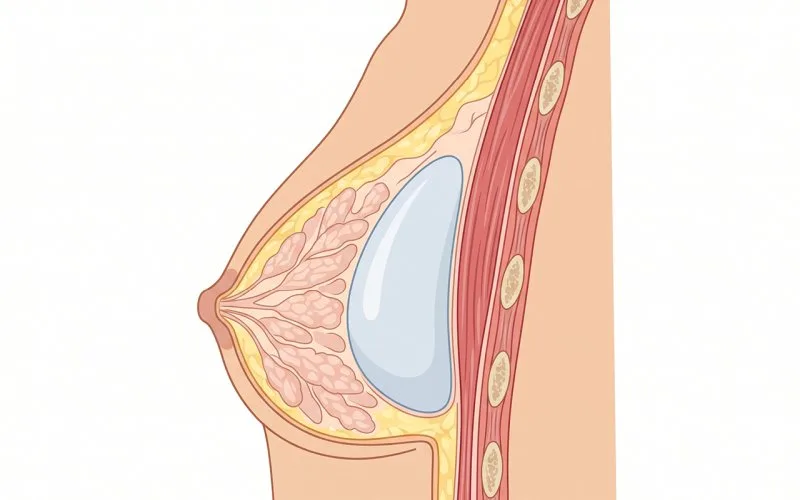
Above the Muscle
The implant is placed beneath the breast tissue and directly over the chest muscle. This placement allows the implant to sit above the pectoral muscle while adding volume to the breast.
 Post-Surgical Complications & Eligible Revisions Covered by Healera — At No Additional Cost
Standard breast augmentation has some limitations, and some patients have no interest in stopping there. XL breast implants exist for that exact group, offering a level of volume most clinics do not even bring up until a patient asks for it directly. Implant size is measured in cubic centimeters (cc), and options may include 1000cc, 1200cc, 1400cc or larger, depending on chest width, existing breast tissue and skin quality.
Allure Esthetic in Seattle offers one of the best XL breast augmentation planned around an individual’s anatomy and desired outcome, and no single cc number picked off a chart.
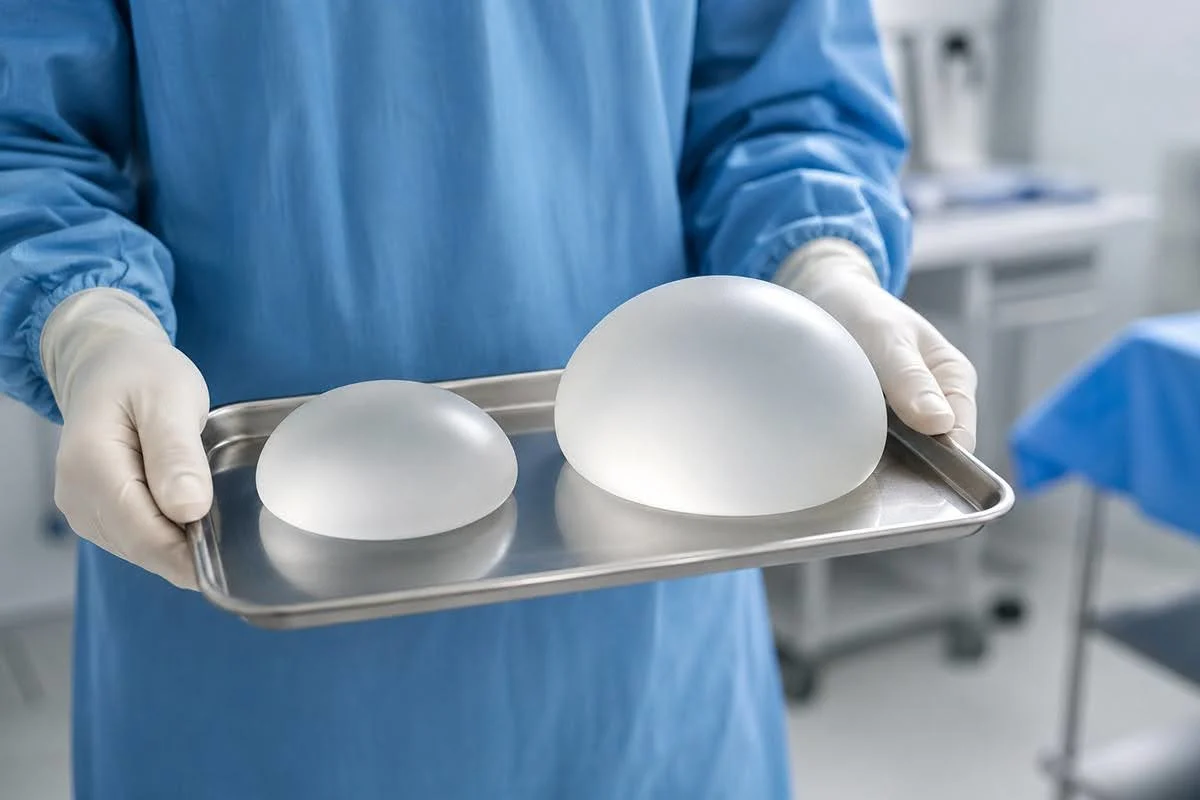
XL breast implants are not a single standardized product. The term describes a category of larger-volume augmentation rather than one universal implant size. Some practices consider implants of 700cc and above to be XL, while others reserve the label for volumes over 1000cc. What matters is that a breast implant XL in size sits well beyond the range used in most traditional augmentations, which typically fall between 300cc and 500cc.
Implant volume is measured in cubic centimeters because cc is a precise, repeatable measurement. Cup size is not. Bra sizing varies between manufacturers, changes based on band size, and depends on how much natural breast tissue you start with. Two patients who receive identical implants can wear different cup sizes afterward.
This is also why the same implant can look different on each individual. A 900cc implant on a broad chest with generous natural tissue creates a fuller but proportionate look. The same 900cc implant on a narrow, petite chest produces a far more dramatic change. When you evaluate XL breast implants, the number is only the starting point. Your chest measurements, tissue thickness, and skin quality determine how that volume actually appears.
Photos are one of the most useful tools for setting realistic expectations. Patients researching xl breast implants before after results are typically trying to understand how a given volume translates into an actual outcome, not just a number on a chart. Where possible, each case in Allure Esthetic is shown with the implant volume, implant type and relevant surgical details so patients can compare cases that are closest to their own starting anatomy.
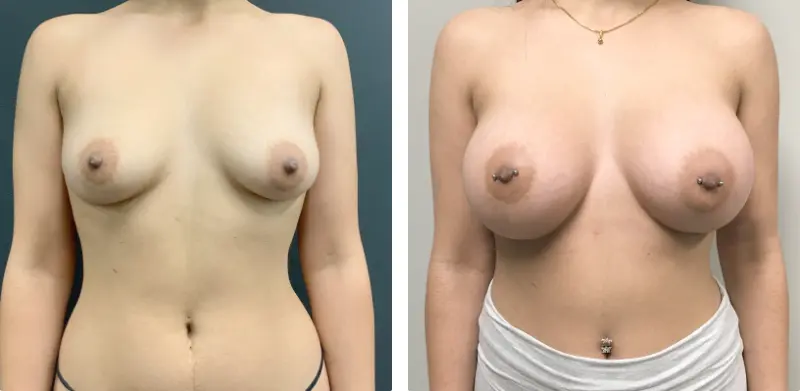
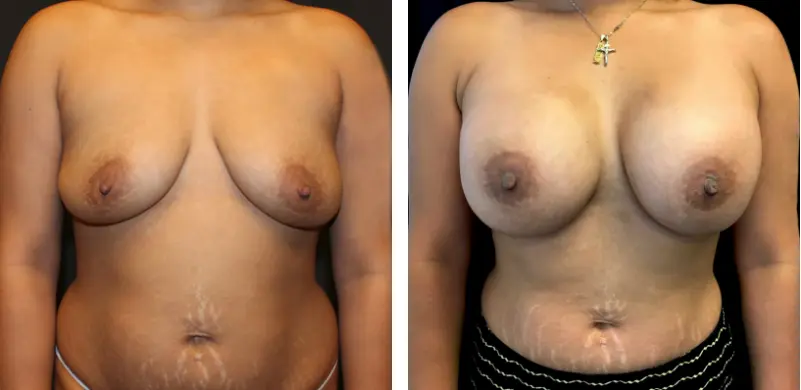
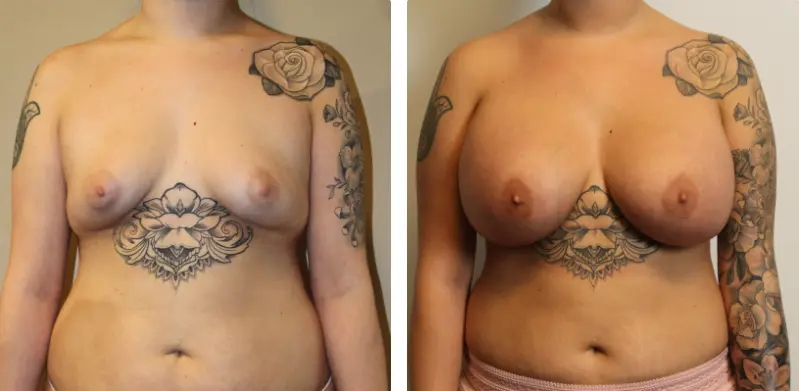
Implant volume ranges from moderate to extremely large, and each range comes with different tissue and anatomical requirements.
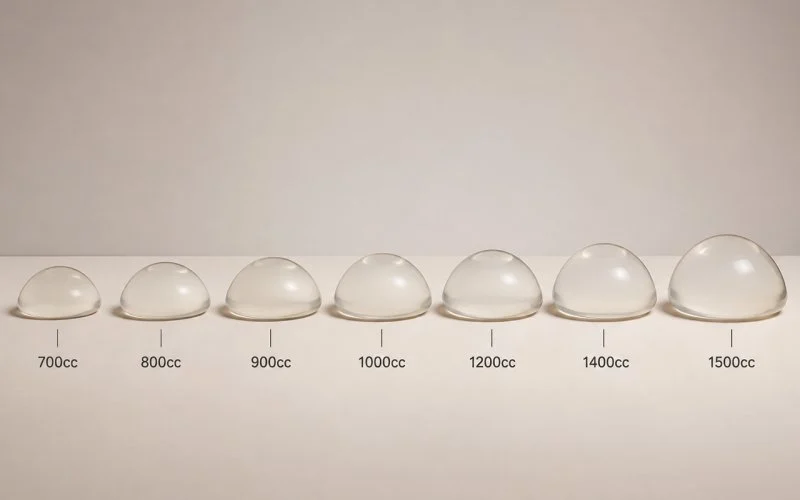
An implant with a bigger volume that sits at the lower end of the XL range. Adequate chest width and tissue coverage are needed to help the implant look proportionate to the patient's frame.
A step above 700cc, generally better suited to patients with wider chest dimensions and more natural tissue to support the added volume.
Often considered the entry point of the XL range, though where that line falls varies by practice and patient anatomy. Chest width and tissue thickness play a bigger role in outcome at this size.
One of the most frequently requested XL sizes. Patients asking about 1000cc breast implants are usually looking for a substantial, noticeable change in breast volume, and adequate chest width and tissue coverage are still needed for a proportionate result.
A very large implant that calls for closer evaluation of skin elasticity, tissue quality, and chest width, since the added weight and projection place more demand on long-term skin support.
An extra-large implant sitting near the top of the XL range. Whether 1400cc is appropriate depends heavily on chest width, tissue quality and the patient's overall anatomy, and typically calls for a more detailed in-person evaluation.
The upper limit of implant volume offered, reserved for patients whose anatomy can safely support it. This size may require additional surgical planning and is not appropriate for every patient.
Choosing extra large breast implants is a significant decision, and candidacy depends on more than personal preference.
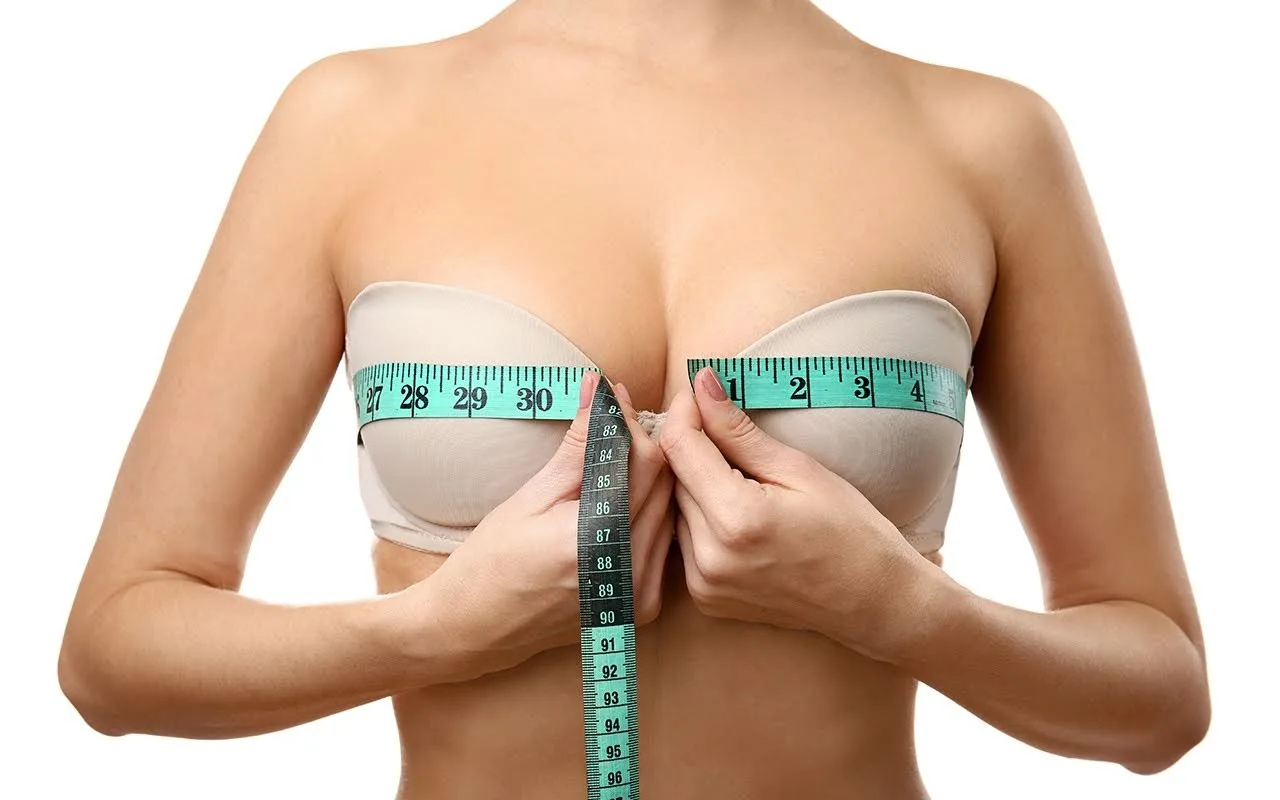
A 1000cc implant on one patient will not necessarily look the same as 1000cc on another. Several anatomical factors influence the final appearance:
Because so many variables affect the outcome, implant volume is only one part of the planning process. Profile, projection and placement are weighed together with cc size to arrive at a result that fits the patient's frame.
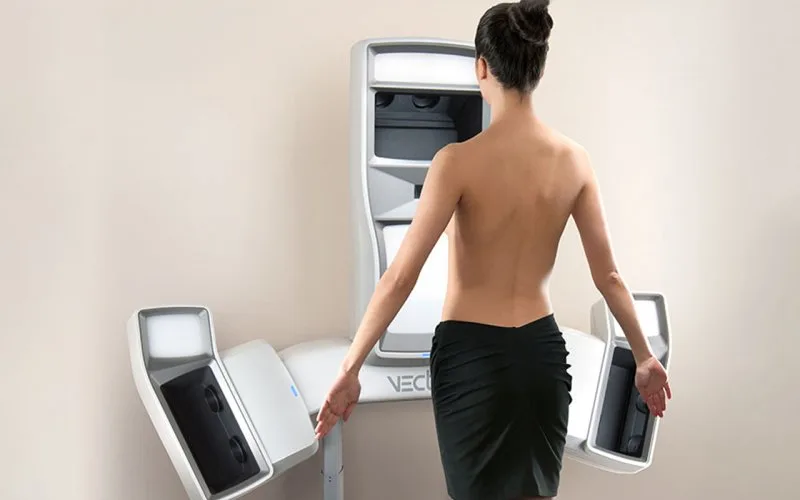
Allure Esthetic offers a free Breast Implant Simulation as part of the planning process for XL breast augmentation. During the consultation, patients are screened with a 3D simulation device to measure the breast and allow patients to visualize their expected results without relying on photos of other patients.
1000cc implants deliver a substantial increase in breast volume and are one of the most commonly requested sizes among patients looking for a XL breast implant. Adequate tissue coverage and chest width are still required, and the visual effect depends on implant profile as much as volume.
1400cc implants sit at the higher end of the XL range. Greater volume brings greater projection and added weight, which places more demand on skin and tissue support. Not every patient's anatomy can safely accommodate this size, which is why an in-person evaluation is necessary before any size is confirmed.
There is no universally "best" XL implant size. The right choice depends on anatomy, tissue support, implant dimensions, skin quality and the patient's personal goals, not on which number sounds most dramatic.
XL breast implant results change over the weeks following surgery. Swelling is most noticeable in the first stretch of recovery, and the breasts often sit higher than their final position at first. As swelling resolves, implants settle into a more natural position and the skin gradually adjusts to the new volume. Because every patient heals differently, the final shape and position can continue shifting for weeks after the initial procedure.
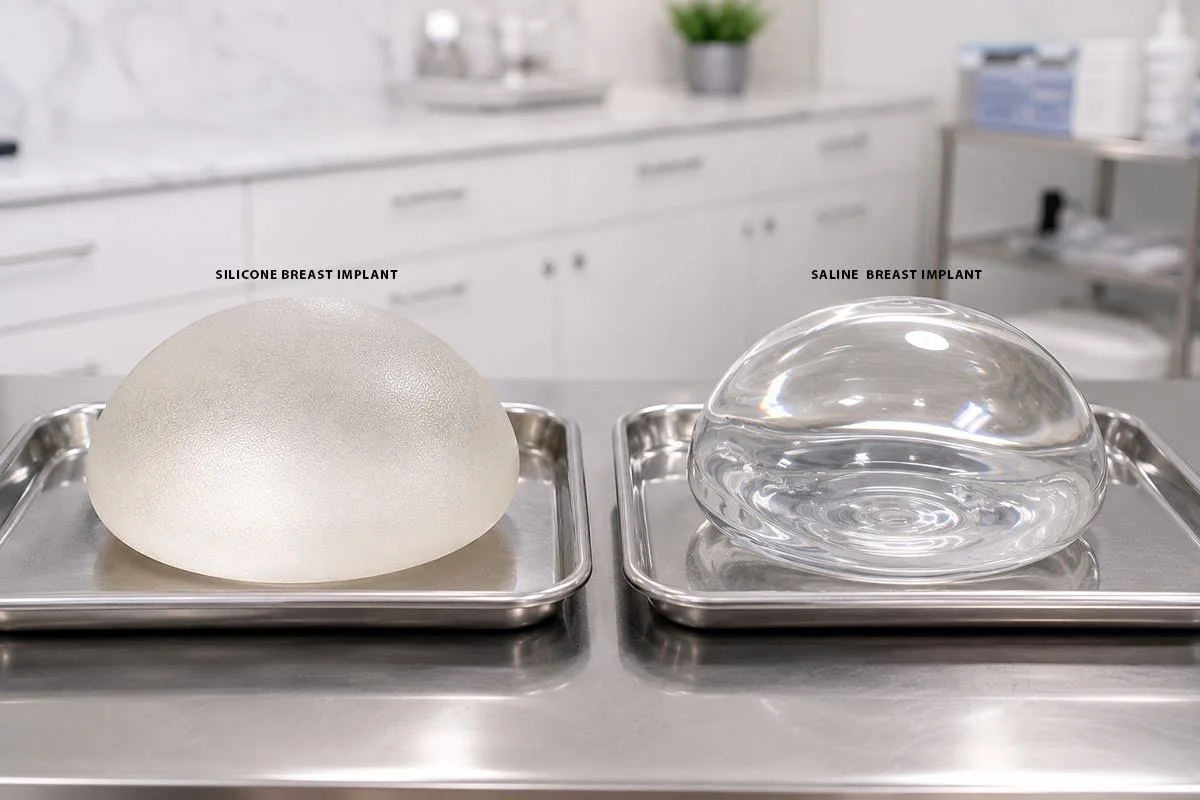
Silicone implants are filled with cohesive gel and are generally described as closer in feel to natural breast tissue, which becomes more noticeable at larger volumes.
Saline implants are filled with sterile saltwater and are inserted empty before being filled, which can allow for a smaller incision.

Neither option is universally "better." The decision depends on feel, rippling risk, incision preference, tissue coverage and personal priorities, and it is discussed individually during consultation rather than assumed in advance.
At larger volumes, the difference between silicone and saline becomes more noticeable, particularly in terms of rippling and how the implant feels under thinner tissue. Patients with less natural tissue coverage are often steered toward a more detailed conversation about which material better suits their frame before a final decision is made.
Profile refers to how far an implant projects from the chest wall. Moderate, high and ultra-high projection options exist, and profile has a major effect on how a given cc volume ultimately appears.
Round implants create uniform fullness throughout the breast, while anatomical (teardrop) implants are shaped to taper toward the top, mimicking a more gradual slope.
Allure Esthetic offers round implants in XL breast implant sizes, which create uniform fullness throughout the breast for a consistent, natural-looking result.
Volume alone does not determine appearance. A 1000cc implant with a wider base and lower profile can look noticeably different from a 1000cc implant with a narrower base and higher projection, even though the cc number is identical.
Everything starts with a consultation with the surgeon. The chest width is measured, tissue quality and skin elasticity are assessed to narrow down appropriate implant options.
Patients are then shown different sizes of implants, helping them choose the implant size, profile and shape that best fits their body and goals.
The surgical approach, incision site and placement technique are finalized ahead of the procedure date.
Anesthesia is administered by a qualified provider before the procedure begins.
An incision is made at a predetermined site chosen to minimize visible scarring where possible.
The implant is positioned above the muscle, below the muscle, or using a dual-plane technique, based on the surgical plan.
Incisions are closed in layers to support healing and scar quality.
After surgery, patients move into monitored recovery while the anesthesia wears off.. Before leaving, patients receive postoperative instructions related to incision wound care, activity restrictions, medications and follow-up appointments. Follow-up visits allow your surgeon to monitor healing, assess implant position and address any concerns during recovery.
Dr. Sajan uses some of his unique approaches to place the XL breast implants with reduced scar. Some of them are:
The implant is placed beneath the breast tissue and directly over the chest muscle. This placement allows the implant to sit above the pectoral muscle while adding volume to the breast.
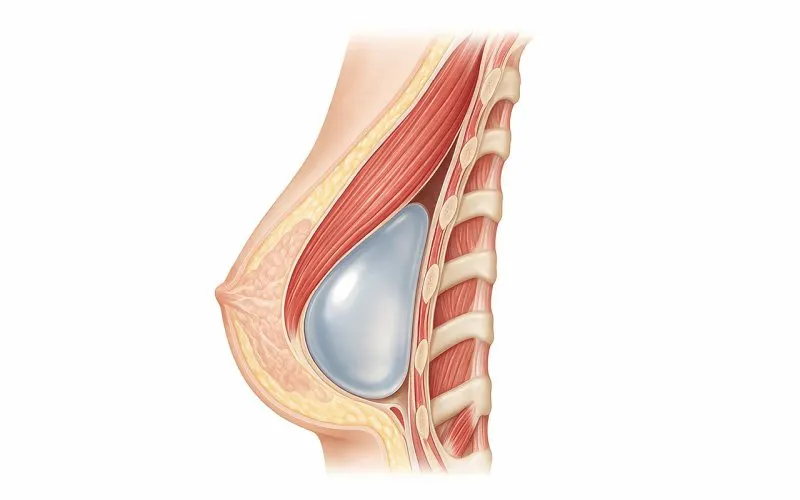
During this procedure, the implant is positioned beneath the chest muscle, providing additional tissue coverage over the upper portion of the implant. This approach helps create a smoother transition between the upper chest and breast.
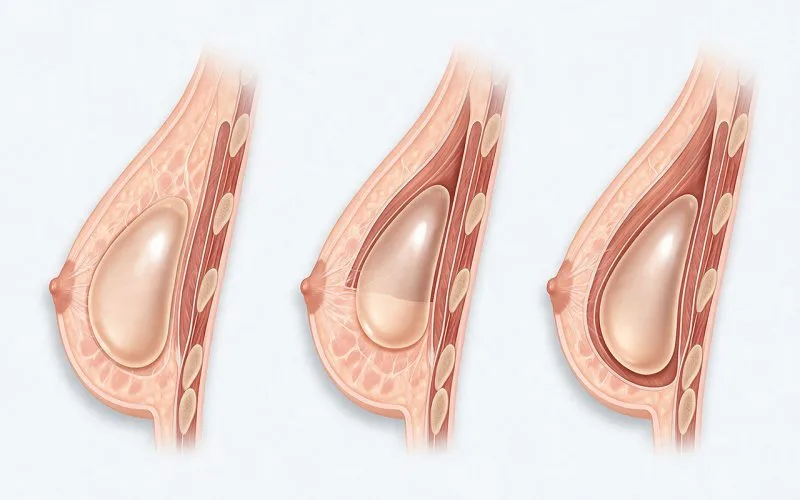
During the Dual Plane procedure, the implant is positioned partly beneath the chest muscle and partly beneath the breast tissue. The upper portion receives muscle coverage, while the lower portion remains above the muscle to maintain fullness in the lower breast. This approach can provide added upper-implant coverage while preserving a fuller, more defined lower breast contour
Initial recovery after XL breast augmentation is approximately 3 to 5 days, though full healing takes considerably longer.
Swelling, tightness and limited mobility are common during this period, and rest is prioritized.
Many patients return to light daily activity, though heavier lifting and strenuous movement remain restricted.
Swelling gradually decreases and comfort continues to improve, though the breasts have not yet reached their final position.
Activity restrictions are typically eased in stages, with exercise reintroduced gradually and only when cleared.
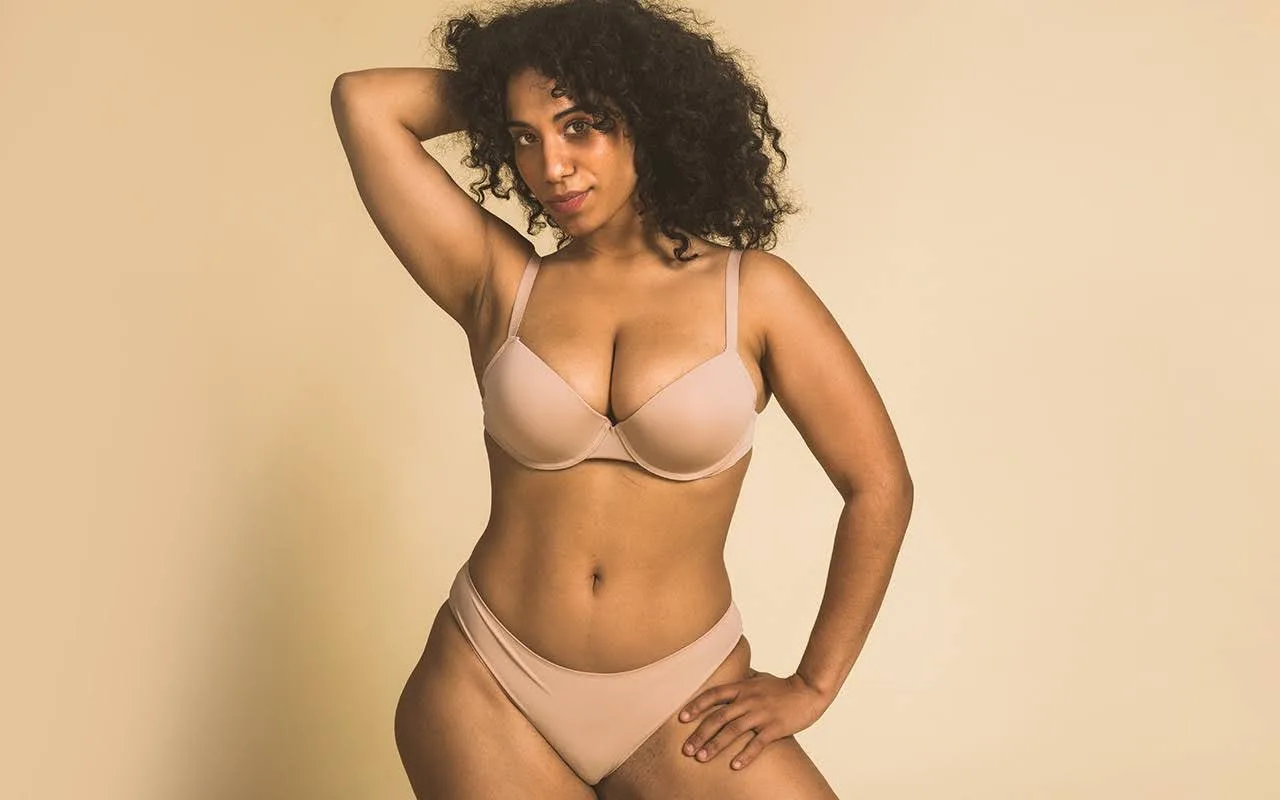
XL breast augmentation carries the same general surgical risks as standard breast augmentation, along with additional considerations tied to implant size. Some of them might include:
Working with a certified, experienced surgeon like Dr. Sajan, who follows careful surgical planning and technique, is one of the most effective ways to help minimize these risks.
Breast implants primarily add volume. A breast lift raises and reshapes existing breast tissue, addressing sagging rather than size. Patients with significant sagging or loose skin may be advised to combine XL breast augmentation with a breast lift to achieve a result that looks proportionate rather than simply bigger breast.
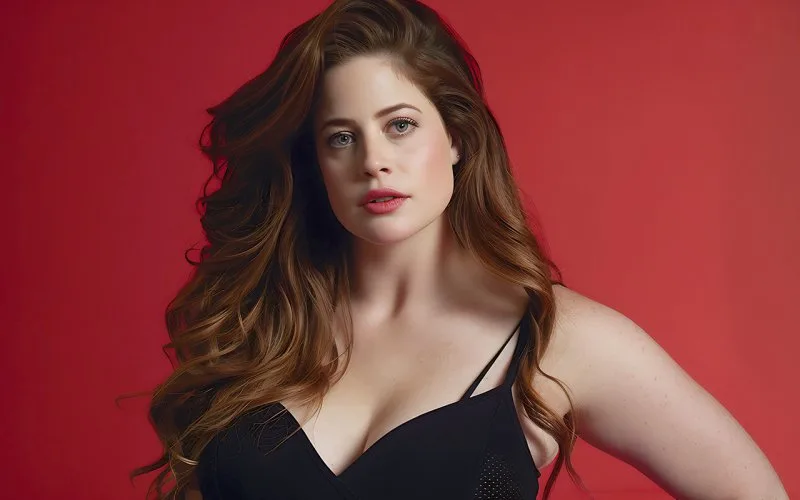
XL breast augmentation at Allure Esthetic starts at $12,500, including implants. Pricing for breast augmentation at Allure Esthetic can include the surgeon's services, facility fees, computer imaging, operating room costs, anesthesia, surgical materials and pre- and postoperative visits, and patients should confirm exactly what is included in their individual quote during consultation.
Elective cosmetic breast augmentation is generally not covered by insurance,
though patients should verify their specific plan directly with their provider, since coverage details vary.
| Factor | Traditional Augmentation | XL Augmentation |
|---|---|---|
| Implant volume | Usually smaller | Larger-volume implants |
| Goal | Subtle to moderate increase | More dramatic increase |
| Planning | Individualized | Often requires more detailed planning |
| Tissue demands | Vary | Often greater |
| Skin considerations | Important | Especially important |
| Recovery | Individual | May be more demanding |
| Long-term considerations | Implant-related | Additional size and weight considerations |
Narrower chest widths generally limit how large an implant can be placed proportionately, regardless of desired size.
A wider chest can often accommodate a larger implant base, which affects both size options and final appearance.
Pregnancy-related changes in tissue and skin elasticity are factored into implant selection and placement planning.
Weight loss can reduce existing breast tissue and skin elasticity, both of which affect implant sizing decisions.
Patients replacing older implants with an extra large breast implant may need additional evaluation of existing tissue stretch and capsule condition.
The same implant volume is not equally appropriate across these situations, which is why anatomy is assessed individually in every case.

WXL breast augmentation requires careful planning because larger implants place greater demands on the breast tissue and surrounding structures. At Allure Esthetic, patients have access to surgical expertise, advanced planning tools and dedicated support throughout the procedure and recovery.
Key benefits include:
Dr. Javad Sajan is a renowned triple board certified cosmetic surgeon specialized in xl breast augmentation surgeries in Seattle. He brings years of experience with thousands of surgeries done with planning that is built around accredited facility standards, with a full team supporting patients from consultation through recovery.
Dr. Sajan is certified by:
He receives patients from around the globe waiting for months to get a consultation. Moreover, he has received more than 1100 google reviews where patients always praise his humbleness and surgical techniques that give results with reduced scars and downtime. Additionally, he has been awarded a CORE Grant (2011) and has been featured in multiple mainstream media.







A consultation for extra large breast implants typically includes a review of medical history, a breast examination, chest measurements and an assessment of tissue and skin elasticity. Desired size, implant profile, implant type and placement are discussed alongside before and after photos. Risks, benefits, recovery expectations and cost are also covered, with a personalized surgical plan provided based on individual anatomy rather than a generic recommendation.
If you are considering XL breast augmentation and want an honest, measurement-based answer about what your body can support, Allure Esthetic is ready to help. Your consultation with Dr. Javad Sajan includes a complete anatomical assessment, a written quote for our all-inclusive package. Call Allure Esthetic in Seattle today or book your consultation online to take the first step toward your ideal result.
XL breast implants are larger-volume breast implants, generally starting in the 700cc to 900cc range and extending to 1400cc or more, chosen for a more dramatic increase in breast size.
There is no single fixed threshold. Different practices define the XL range differently, though it generally refers to implants well above the volume used in traditional breast augmentation.
XL implants typically range from around 700cc up to 1500cc or more, depending on the practice and the patient's anatomy.
Possibly, depending on chest width, tissue coverage and skin quality, which are assessed during an in-person consultation.
Possibly, though 1400cc requires closer evaluation of anatomy before it can be confirmed as a safe option.
The maximum safe size depends on individual anatomy and implant dimensions rather than a single universal number.
Appearance depends on implant profile, placement and the patient's existing anatomy, not on volume alone, so results vary from patient to patient.
The procedure at Allure Esthetic typically takes approximately one hour, though this can vary by case.
XL breast augmentation at Allure Esthetic starts at $12,500, including implants.
When performed by a qualified surgeon on an appropriate candidate, XL breast augmentation carries the same general risks as standard breast augmentation, along with additional considerations tied to larger implant size.
Added implant weight can contribute to back, neck or shoulder discomfort in some patients, particularly without adequate tissue and chest support.
Breast implants are not considered lifetime devices, and most patients should expect the possibility of replacement or revision surgery at some point over the years.
Yes, real before and after cases are available through Allure Esthetic's gallery, with implant details provided where verified.
Implants continue settling into their final position for weeks after a patient has resumed normal daily activity, since swelling reduction and tissue adjustment take time.
Yes. Larger implants place more demand on skin elasticity, and over time this can lead to thinning or stretching, especially in patients with less tissue coverage to begin with.
Some patients eventually require a breast lift after extra large breast augmentation, particularly if skin elasticity decreases or sagging develops over the years following surgery.
