(206) 209-0988 Menu

Healera Logo Post-Surgical Complications & Eligible Revisions Covered by Healera — At No Additional Cost

Call or Text (206) 209-0988

se habla espanol
Instant Quote Now Injectables Med Spa TV Series Contact Us

📅 Complimentary Surgery Consultations Available with Our Physician Assistant - Schedule Today →

Noticing hollow cheeks or a tired, sunken look that was not there a few years ago? Facial volume loss is one of the earliest signs of aging, and synthetic fillers do not suit everyone, while traditional facial fat transfer requires liposuction that many patients do not want or do not qualify for. alloClae for face solves both problems. It restores facial volume using donated adipose tissue, so you get the soft, natural feel of real fat without harvesting any of your own.

What Is AlloClae for the Face?

What Is AlloClae for the Face?

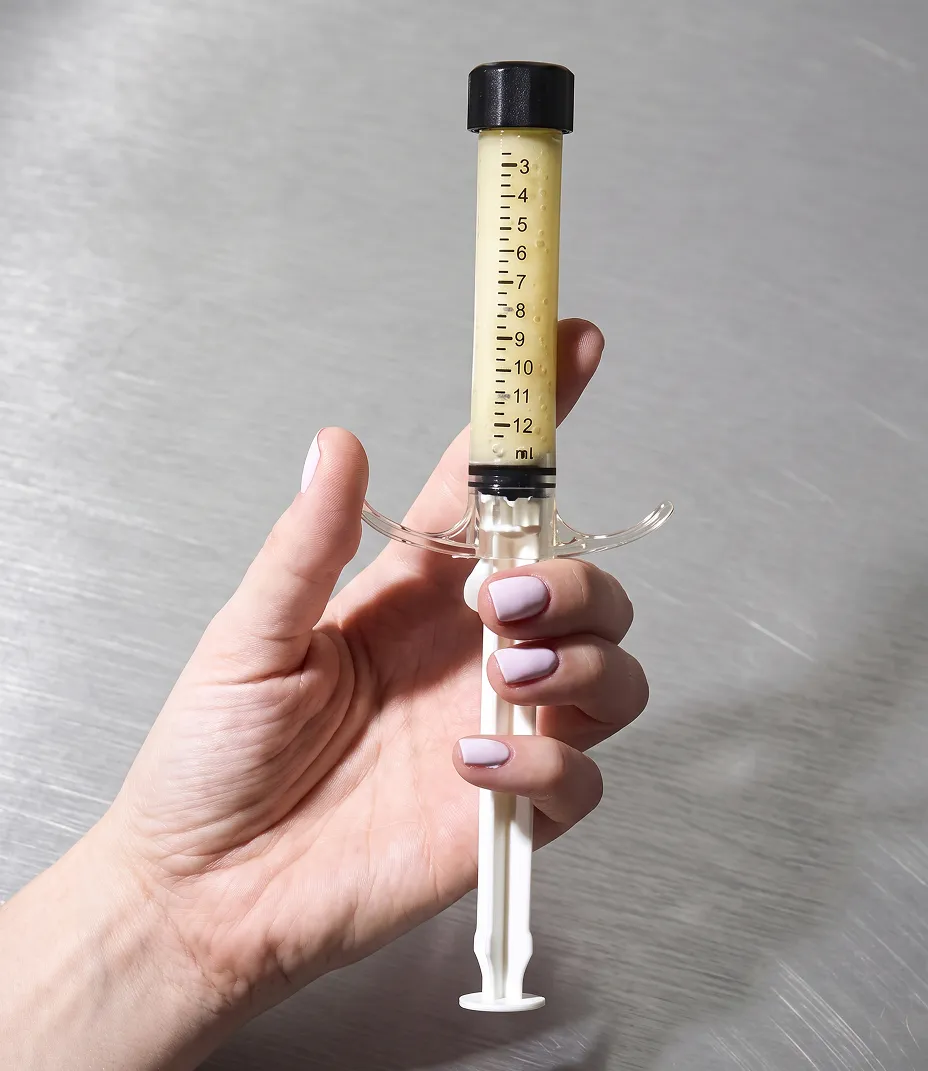
AlloClae is a structural adipose tissue product made from donated human fat, not a synthetic gel. It keeps the natural makeup of real fat, including fat cells and connective tissue, so once placed, it settles and integrates the way natural tissue does. This sets it apart from traditional dermal fillers, which are made from hyaluronic acid, and from a facial fat transfer, which requires liposuction to harvest your own fat first.

Facial treatment uses far smaller amounts than body areas, typically 4 to 10 cc versus 25 cc or more elsewhere, since facial anatomy is more detailed and calls for a lighter touch.

Can AlloClae Be Used in the Face?

Yes. When treatment is appropriate for your anatomy and performed by a qualified provider, alloClae® can be used for targeted facial volume and contouring.

A few things make facial treatment different from treating the body:

  • The amounts are much smaller: Body areas may need 25 to 100 cc. The face typically needs a fraction of that, which is why the minimum treatment is just 4 cc.
  • Depth and placement matter more: The face has thinner skin, more visible landmarks, and important structures close to the surface. Small errors show. Precise, layered placement at the right depth is what separates a natural result from an overfilled one.
  • Not every facial area is automatically a fit: Some areas respond beautifully to added volume. Others are better served by a different treatment entirely. The decision is made area by area, based on your anatomy, not a menu.

This is why the provider matters as much as the product. Dr. Sajan evaluates your facial structure first, then decides where alloClae® makes sense and where it does not.

Can AlloClae Be Used in the Face?

What Can AlloClae Do for the Face?

What Can AlloClae Do for the Face?
01

Restore Lost Facial Volume

Facial volume naturally decreases over time. Aging, weight loss, and normal shifts in facial fat can all leave certain areas looking flatter or more hollow than they used to. Treatment can be placed in those specific spots to help restore what has been lost, without treating the whole face.

02

Improve Facial Contour

Adding volume in the right places can improve how the face balances overall. A hollow cheek or an uneven contour can throw off proportion even when nothing else about the face has changed. Filling that specific area back in can help restore a more even, natural balance.

03

Enhance Cheek and Midface Volume

The cheeks and midface are common areas for this treatment. Volume loss here is one of the more noticeable signs of facial aging, since it affects how light falls across the face and how the lower face is supported. Localized hollowing in the midface responds well to targeted volume.

04

Address Facial Asymmetry

Most faces are not perfectly symmetrical, and small differences between the two sides are completely normal. When one side has noticeably less volume than the other, small, targeted amounts can help even things out. The goal is improved balance, not a promise of perfect symmetry.

Who Is a Good Candidate for alloClae® for the Face?

Who Is a Good Candidate for alloClae® for the Face?

You may be a strong candidate if you:

  • Want subtle, localized facial volume rather than a dramatic change
  • Have a specific area of volume loss, such as the cheeks or midface
  • Want real fat tissue without liposuction to harvest it
  • Are too lean to be a good candidate for traditional facial fat transfer
  • Prefer to avoid facial implants
  • Have realistic expectations about what targeted volume can do
  • Are in good general health

What Happens During an AlloClae Facial Treatment?

What Happens During an AlloClae Facial Treatment?

  • Facial Assessment: During your consultation, the surgeon evaluates facial proportions, your existing volume, any asymmetry, and your skin and soft tissue. They will also let you know the changes after the treatment.
  • Treatment Planning: Together, you decide which areas need volume, roughly how much filler would be appropriate, and how treatment will be placed.
  • AlloClae Placement: During the procedure, the area that needs treatment is numbed, and the filler is placed in the planned areas in small, controlled amounts.
  • Final Assessment: Before you leave, your doctor will check the treated areas for balance and a natural result.

How Much Does AlloClae for Face Cost in Seattle?

At Allure Esthetic AlloClae for face cost starts at $400 per cc, with a 4 cc minimum.
Amount Estimated Cost
4 cc $1,600
5 cc $2,000
10 cc $4,000
15 cc $6,000

AlloClae for Face vs Facial Fat Transfer vs Traditional Fillers

Feature AlloClae Facial Fat Transfer Traditional Dermal Filler
Uses patient's own fat No Yes No
Requires fat harvesting No Yes No
Uses donor adipose tissue Yes No No
Requires liposuction No Yes No
Facial volume restoration Targeted Yes Yes
Surgical procedure No Yes Usually no
Volume can be adjusted Yes Yes Yes

Is alloClae a fat transfer? Not in the traditional sense. This treatment skips the harvesting step entirely, since it uses donor tissue that is already processed and ready.

A standard facial fat transfer requires liposuction to collect your own fat first, which means an extra procedure and an extra recovery. Traditional fillers, meanwhile, are usually synthetic and dissolve or metabolize over time in a different way than fat tissue does.

If you want a fat transfer to face with AlloClae rather than a harvesting surgery, it sits in its own category between these two options: real adipose tissue, without the donor site.

AlloClae® Facial Recovery

Recovery from alloClae® in the face is short, and most patients are back to their daily routine quickly, though individual timelines vary.

First 24 to 48 hours: You may notice mild swelling, tenderness, or light bruising at the placement sites. Your face can look temporarily fuller or slightly uneven while swelling settles, which is normal and not a reflection of your final result. Any discomfort is usually mild and manageable without prescription medication.

Returning to normal activity:

  • Most patients resume normal daily activity within 24 to 48 hours.
  • Keep your head slightly elevated for the first night or two to help swelling go down.
  • Avoid pressing, rubbing, or massaging the treated areas unless Dr. Sajan tells you otherwise.
  • Hold off on strenuous exercise, heavy lifting, and anything that raises your heart rate significantly for the first few days.
  • You can usually return to makeup once the injection sites have closed and there is no irritation.

Meet Your AlloClae®
Facial Treatment Expert

Dr. Javad Sajan is a cosmetic surgeon in Seattle, leading Allure Esthetic Plastic Surgery. With over a decade of surgical experience and thousands of cosmetic procedures performed, he brings extensive experience in facial anatomy and cosmetic procedures to patients seeking alloClae® for the face. Because the face allows no room for guesswork, his background across both surgical and non-surgical facial procedures guides where volume belongs and, just as importantly, where it does not.

He is certified by:

Beyond clinical practice, Dr. Sajan has contributed to surgical education and peer-reviewed research. He was awarded a CORE Grant (2011), developed the Advanced Facial Simulator (a validated surgical training tool used worldwide), and served as editor of the textbook "Aesthetic Laser Therapy: Principles, Medical Applications, and Long-Term Effectiveness."

Meet Your AlloClae Facial Treatment Expert
Logo 01 Logo 02 Logo 03 Logo 04 Logo 05 Logo 06

Schedule Your AlloClae® Facial Consultation in Seattle

Ready to see whether AlloClae filler is right for your face? At your consultation, Dr. Sajan examines your facial structure, listens to your goals, and confirms whether this treatment fits. You will leave knowing which areas can be treated, roughly how much product you would need, and your exact per-cc cost with no surprises. And if AlloClae® is not the best match for what you want, he will tell you honestly and walk you through the alternatives.

Searching for AlloClae filler near me? Call Allure Esthetic at 206-209-0988 or book online to get started.

Frequently Asked Questions

Can AlloClae be used in the face?

Yes. When facial treatment is appropriate for your anatomy and goals, it can be used to restore targeted volume, most commonly in the cheeks and midface.

What areas of the face can AlloClae treat?

Treatment is generally focused on areas like the cheeks and midface, where volume loss is common. The specific areas appropriate for you are determined during your consultation.

How much does AlloClae for the face cost?

Pricing starts at $400 per cc, with a 4 cc minimum, so the minimum treatment price is $1,600. Your exact total depends on the areas treated and how much volume you need.

How much AlloClae is needed for facial treatment?

Most facial treatments start at the 4 cc minimum, though the amount depends on how much volume loss you have and how much correction you want. Dr. Sajan will recommend a specific amount at your consultation.

Is AlloClae the same as facial fat transfer?

No. A facial fat transfer uses your own fat, harvested through liposuction. This is an AlloClae fat transfer alternative that uses donated, processed tissue instead, so there is no harvesting procedure or donor site involved.

Is AlloClae permanent?

It is designed to provide lasting volume, but results are not guaranteed to be permanent. Aging and changes in your facial tissue over time can affect the appearance of the treated area.

What is the recovery time after AlloClae for the face?

Recovery is typically 24 to 48 hours. You may have mild swelling, tenderness, or bruising during that time.

Can AlloClae improve facial asymmetry?

Yes, in a limited way. Small, targeted amounts can help even out areas where one side of the face has noticeably less volume than the other. The goal is improved balance, not perfect symmetry.

Where can I get AlloClae for the face in Seattle?

If you are searching for AlloClae near me, Allure Esthetic offers one of the best alloClae® facial treatments in Seattle with Dr. Javad Sajan.

What is recovery like after AlloClae® facial treatment?

Most patients return to normal daily activities within 24 to 48 hours. Mild swelling, tenderness, or light bruising can occur at the treatment sites. Your face may look temporarily fuller or slightly different while swelling settles. Dr. Sajan provides aftercare instructions based on the areas treated.

When will I see results from AlloClae® in the face?

Some added volume is visible immediately after treatment. However, early swelling can make the area appear fuller or slightly uneven at first. As the tissue settles over the following weeks, the result becomes easier to evaluate. Healing timelines vary based on the treatment area and the amount of volume placed.

Is AlloClae® permanent in the face?

AlloClae® is intended to provide long-lasting facial volume, but no treatment can stop the natural aging process. Changes in weight, facial tissue, and skin quality can affect how the area looks over time. Dr. Sajan will discuss realistic expectations and whether a touch-up may be helpful in the future.

Can I wear makeup after AlloClae® facial treatment?

Patients may usually return to makeup once the injection sites have closed and there is no irritation. It is important to avoid pressing, rubbing, or massaging the treated areas unless Dr. Sajan specifically instructs you to do so.

When can I exercise after AlloClae® facial treatment?

Light daily activity is usually fine within 24 to 48 hours. Strenuous exercise, heavy lifting, and activities that significantly raise your heart rate should be avoided for the first few days, or until Dr. Sajan clears you to resume your routine.