
Loss of cheek volume is a normal part of getting older. As you age, your body makes less collagen, facial fat changes, and the bones that support your face slowly change too. This can make your cheeks look flatter, your under-eye area look more hollow, and your face lose some of its natural shape. Some people are also born with less defined cheekbones or notice volume loss after significant weight loss.
Cheek fillers are a nonsurgical treatment that adds volume to the cheeks, improves facial balance, and creates a more defined appearance. Most cheek fillers are made with hyaluronic acid, a substance that is naturally found in your body. The filler adds support under the skin to create a fuller look while keeping your facial expressions natural.
Before getting cheek fillers, you'll have a consultation to find out whether the treatment is right for you. If it is, your injector will create a treatment plan based on your facial features and the look you want to achieve.
This guide explains how cheek fillers work, what they can improve, how much they cost, what recovery is like, possible risks, and what to expect before and after treatment.
Quick Answer
Cheek filler treatment usually takes 30–60 minutes and has little to no downtime. Results are visible immediately and usually last 12–24 months, depending on the filler used and your body's natural process. Most cheek fillers today are made with hyaluronic acid and can be dissolved if needed. At Allure Esthetic, treatment costs $399–$850 per syringe, and a consultation is required before treatment.
What Are Cheek Fillers and How Do They Work?
Cheek fillers are injectable gels that restore lost volume, improve cheek shape, and create better facial balance. Most fillers used for the cheeks are made with hyaluronic acid, a substance naturally found in the body that helps keep the skin hydrated and supported.
Different fillers have different properties. Some are designed to add soft volume, while others provide more lift and definition around the cheekbone. Your injector will recommend the filler that best matches your facial structure and treatment goals. While cheek fillers can improve volume and contour, they do not tighten significant loose skin or replace surgery.

What to Expect During Cheek Filler Treatment at Allure Esthetic
Every cheek filler treatment at Allure Esthetic starts with a consultation to discuss your goals and answer your questions. If cheek filler is the right option for you, your injector will create a treatment plan designed for your facial features.
Depending on your treatment plan, Dr. Javad Sajan may use a blunt-tip cannula to place fillers such as Juvéderm Voluma® or Bellafill® through a small entry point. In appropriate patients, this technique may help reduce bruising, swelling, and discomfort compared with multiple needle injections.
The treatment usually takes less than one hour. Before you leave, we'll explain your aftercare instructions and answer any remaining questions. Most patients return to their normal daily activities soon after treatment.
Cheek Filler Before and After Results
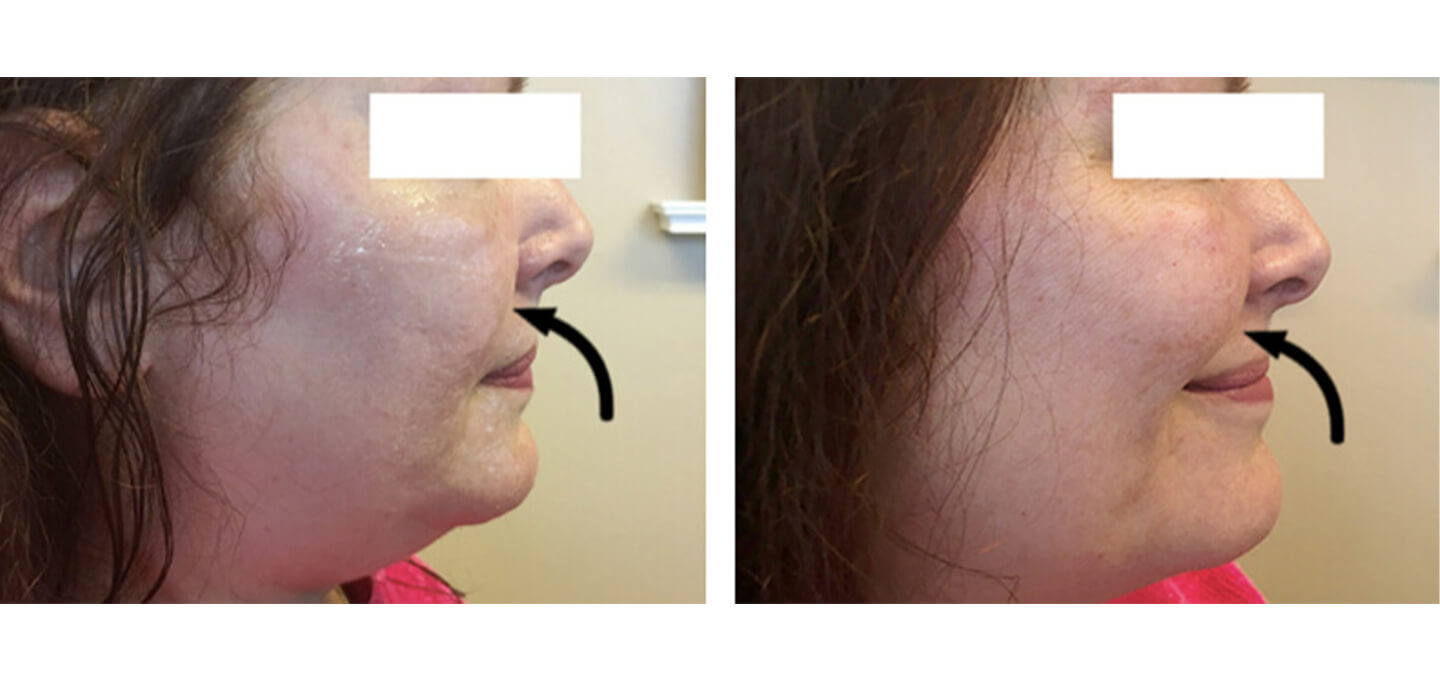
Why People Choose Cheek Fillers in Seattle, WA?
Age-related volume loss is the most common reason, but it is far from the only one.
Naturally flat cheeks
Cheekbone shape is inherited, and no amount of skincare changes bone structure. A small amount of filler placed over the cheekbone may create more definition without changing the rest of the face.
Facial balancing
A face where the midface sits flat can look bottom heavy. Adding a little projection higher on the face may bring the proportions closer together.
Midface support
When the upper cheek loses fullness, the tissue below it has less to rest on. Some patients notice the area near the smile lines looks heavier as a result. Supporting the cheek may indirectly soften that appearance, though filler placed in the cheek is not a direct treatment for the folds themselves.
Weight loss
Rapid or significant weight loss often thins the face, and patients frequently describe looking tired rather than slimmer.
Replace with "How Much Does Cheek Filler Cost in Seattle?
Cheek fillers are commonly performed using hyaluronic acid dermal fillers. According to the American Society of Plastic Surgeons (ASPS), the national average cost of hyaluronic acid dermal fillers is about $715 per syringe. Your total cheek filler cost depends on the type of filler selected, your treatment goals, the number of syringes recommended, and your provider's expertise.
At Allure Esthetic, cheek filler pricing starts at $399 per syringe for Restylane Contour and ranges up to $850 for Juvederm Voluma.
Many patients need one to two syringes, while others may require more or less depending on facial volume loss, facial anatomy, and their desired results. During your consultation, your injector will recommend the most appropriate filler and treatment plan based on your individual needs.
Cheek Filler Prices at Allure Esthetic
| Cheek Filler | Price Per Syringe |
|---|---|
| Restylane Contour (1ml) | $399 |
| Restylane Lyft | $525 |
| Restylane Defyne | $550 |
| Restylane Refyne | $550 |
| Juvederm Ultra | $525 |
| Juvederm Ultra Plus | $550 |
| Juvederm Voluma | $850 |
Pricing is current as of publication and may change during procedure.
What Does the Cost Include?
Your treatment cost includes more than the filler itself. It covers your consultation, facial assessment, personalized treatment plan, the filler used during treatment, sterile supplies, the injection procedure, aftercare instructions, and follow-up care if needed.
What Affects the Total Cost?
Several factors can affect the total cost of cheek fillers, including:
- Type of filler: Some fillers cost more because they are designed to provide more lift or last longer.
- Number of syringes: Larger areas or greater volume loss may require more filler.
- Your treatment goals: A subtle enhancement usually needs less filler than restoring significant volume loss.
- Facial anatomy: Every face is different, so the amount of filler needed varies from person to person.
- Injector experience: An experienced injector creates a treatment plan that matches your facial features and goals while aiming for balanced, natural-looking results.
What Can Cheek Fillers Improve?
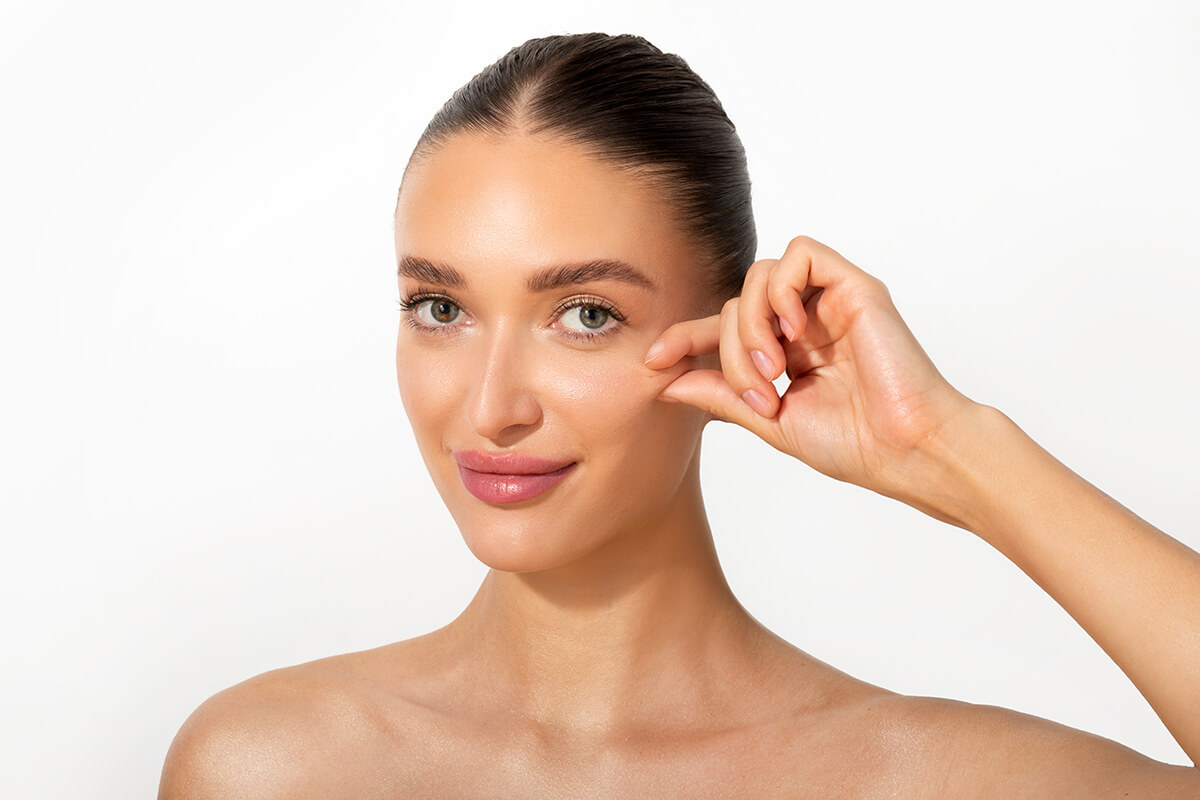
Flat Cheeks
Patients with naturally low or flat cheekbones may see more definition once filler is placed along the upper cheek. The change tends to read as structure rather than fullness when placement is conservative.
Loss of Volume
Age-related volume loss in the cheeks is one of the most common reasons people choose cheek fillers. Restoring lost volume can help the face look more refreshed and less tired.
Hollow Cheeks
Hollowing lower on the cheek can appear after weight loss or with age. Softer, more flexible fillers are often preferred here because this part of the face moves a lot.
Cheekbone Definition
A small amount of product placed high and toward the outside of the cheek may sharpen the line of the cheekbone. This is one of the most requested looks among younger patients.
Facial Symmetry
Filler may be used to bring one side closer to the other, though perfect symmetry is not a realistic target for anyone.
Midface Support
Adding support under the cheek may help the surrounding tissue sit slightly better. The effect is modest and should not be confused with a surgical lift.
Mild Sagging
Early laxity sometimes looks better once the underlying support is restored. Moderate or advanced sagging usually needs a surgical answer instead.
Support Near the Smile Lines
Cheek fillers do not directly treat nasolabial folds, but restoring volume in the cheeks may help soften their appearance in some patients. If these lines are your main concern, your provider can recommend the most suitable treatment approach.
What are the Types of Fillers Used in the Cheeks Filler Seattle, WA?
Different fillers have different properties, and the injection technique also changes depending on the treatment area. For example, Apple Cheek Filler focuses on restoring volume to the rounded front part of the cheeks, while other cheek filler techniques are used to improve cheekbone definition or midface support.
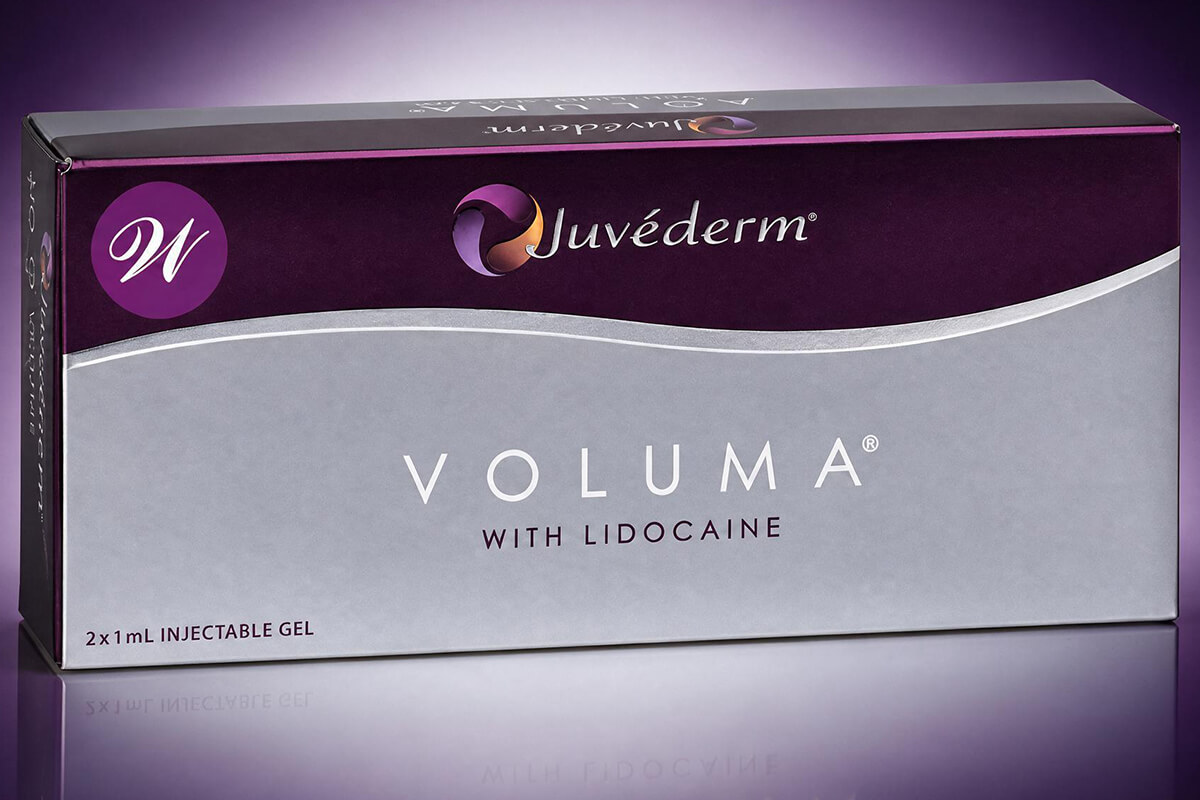
Juvéderm Voluma
Juvéderm Voluma is a hyaluronic acid filler commonly used for cheek augmentation and midface volume restoration. Its thicker consistency may provide structure in areas where more lift and support are desired. Juvederm cheek filler results vary based on individual factors, including metabolism and treatment area.
Restylane Contour
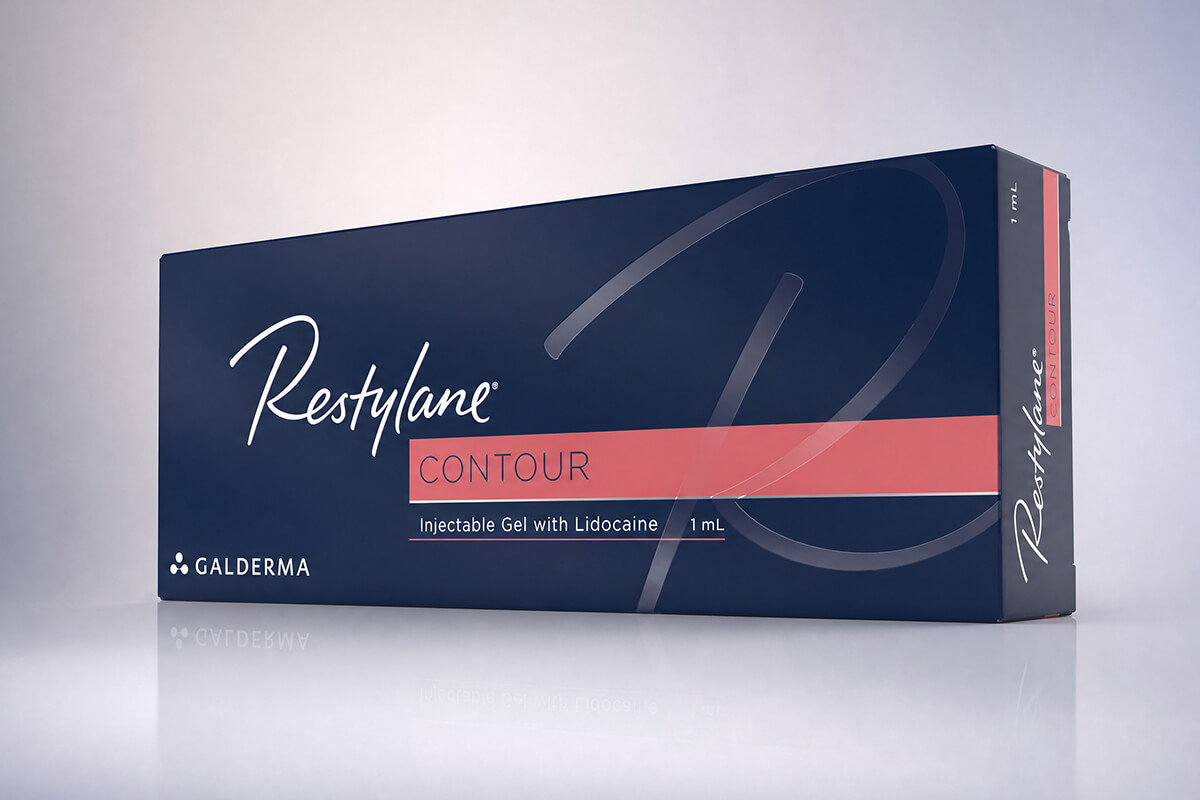
Restylane Contour is designed for cheek contouring and may help improve cheek definition while allowing natural facial movement. It is often considered when the goal is to enhance cheek shape while maintaining facial expression.
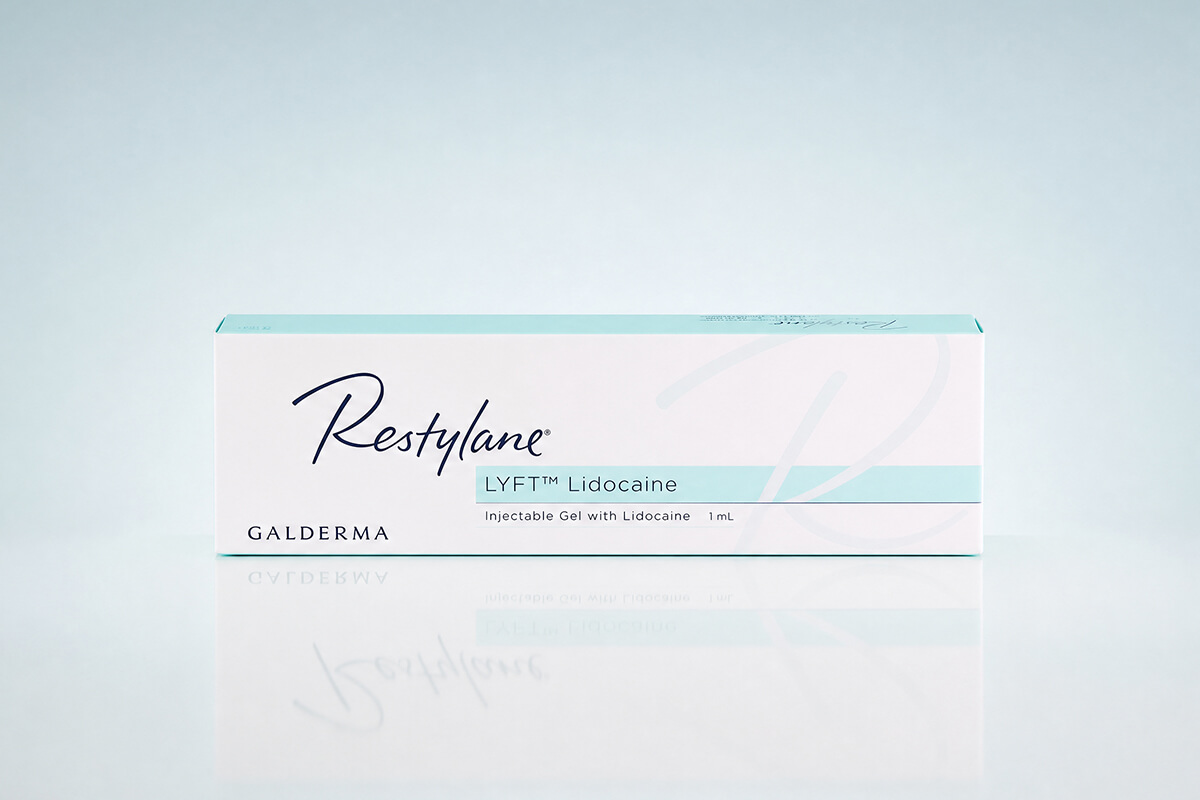
Restylane Lyft
Restylane Lyft is another hyaluronic acid filler that may be used for cheek enhancement. It has a thicker gel structure that can provide volume and support in certain areas.
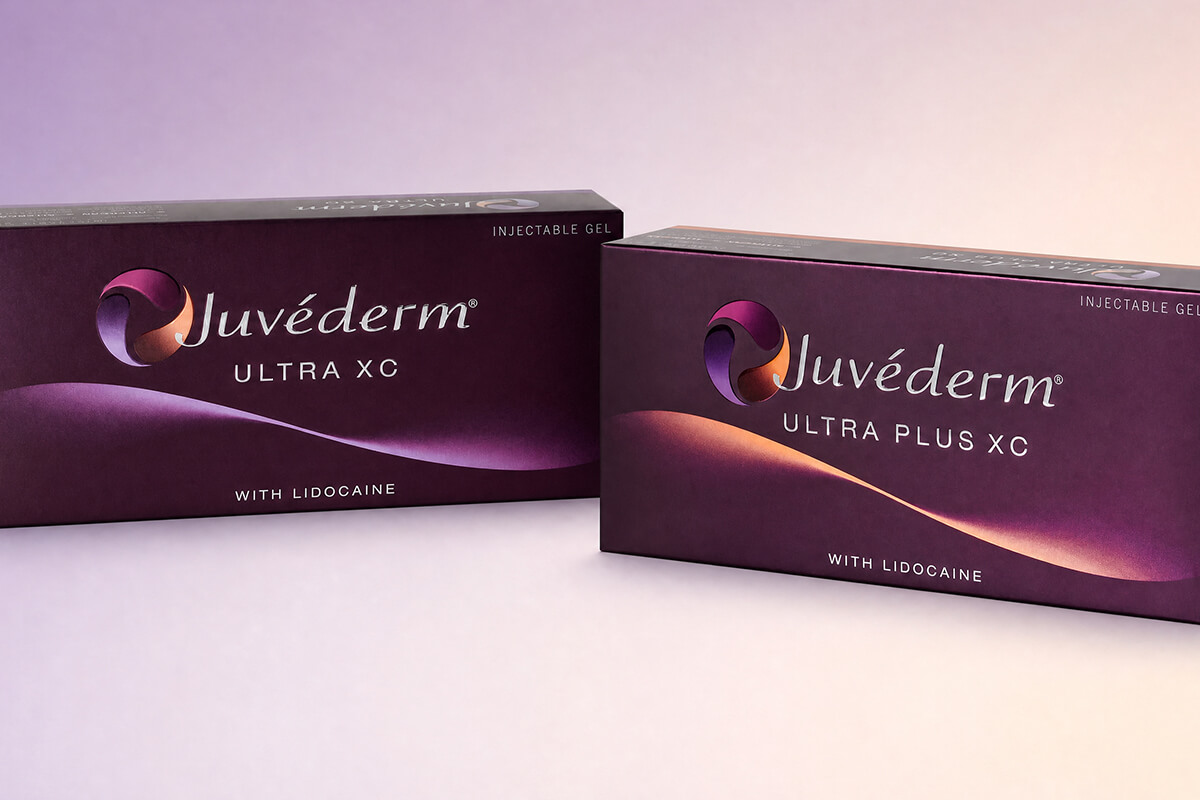
Juvéderm XC and Juvéderm XC Plus
Both fillers contain hyaluronic acid with lidocaine for added comfort during treatment. They may be used in different areas depending on the patient’s needs.
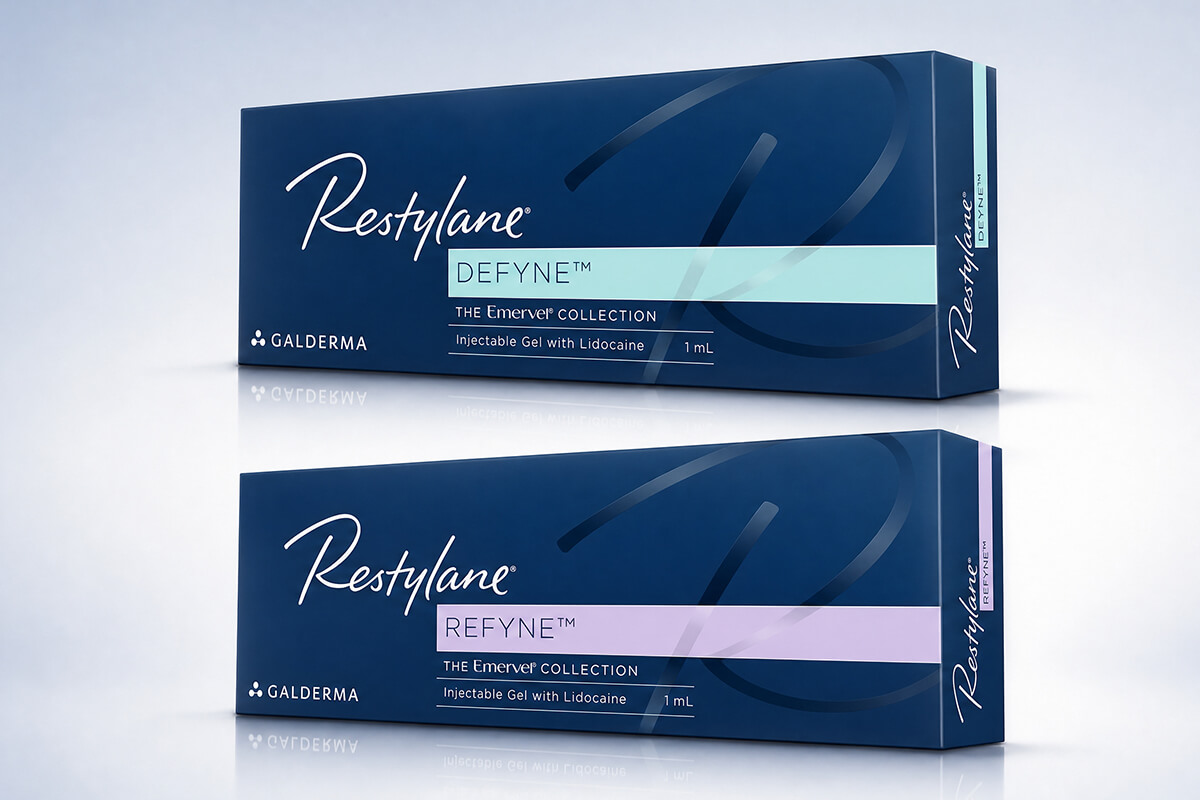
Restylane Defyne and Restylane Refyne
These restylane defyne and restylane refyne fillers may be considered when maintaining natural facial movement is an important part of the treatment goal.
Some of these products are used in ways that fall outside their exact FDA-labeled indication, which is common practice in aesthetics. A good injector should explain which product is being used, why it was chosen, and what its label covers.
The FDA maintains a helpful overview of dermal fillers for patients who want to read more.
How Many Syringes of Cheek Filler Do You Need?
The number of cheek filler syringes needed varies from person to person. It depends on factors such as your facial structure, the amount of volume loss, and the type of enhancement you want to achieve.
Some patients may need just one syringe for a subtle improvement in cheek definition, while others with more noticeable volume loss may benefit from two or more syringes to restore balance and fullness across the midface.
Cheek filler treatments are often customized and may be performed gradually to achieve natural-looking results.
Who is a Good Candidate for Cheek Fillers?
Cheek filler may be suitable for healthy adults who want to restore volume, improve cheek definition, or create better facial balance without surgery.
A good candidate may:
- Notice reduced cheek fullness or flatter cheeks
- Want more cheekbone definition
- Prefer a non-surgical option
- Have realistic expectations about cheek filler results
- Understand that fillers add volume but do not replace surgical lifting
Who May Not Be a Good Candidate?
Cheek fillers may not be the right choice for everyone. Your injector will review your medical history and examine your skin before recommending treatment.
Treatment may need to be delayed or avoided if you:
- Are pregnant or breastfeeding
- Have an active skin infection, rash, or irritation near the treatment area
- Have a known allergy to any filler ingredients
- Have certain medical conditions or take medicines that may affect healing or increase the risk of bleeding
- Have concerns that may be better treated with another procedure instead of fillers
A consultation with an experienced injector is the best way to find out if cheek fillers are right for you and to choose the safest treatment for your goals.
What Happens During a Cheek Filler Consultation?
At Allure Esthetic, the consultation is an important part of planning your treatment. Before recommending cheek filler, we'll talk about what you'd like to improve and whether cheek filler is the most suitable option for your goals.
We'll examine your facial structure, skin quality, cheek shape, and overall facial balance. We'll also review your medical history, allergies, medications, and any previous filler treatments to help plan your treatment safely.
Clinical photographs may be taken to help plan your treatment and compare your results over time.
If cheek filler is right for you, we'll discuss:
- The filler we recommend and why
- Approximately how many syringes you may need
- Your estimated treatment cost
- What to expect during recovery
- Aftercare instructions and follow-up care
If we believe another treatment would better match your goals, we'll explain our recommendation before moving forward.
Cheek Filler Seattle Recovery Timeline
Recovery after cheek filler Seattle is usually minimal, but temporary swelling, bruising, or tenderness can happen as the filler settles. Most patients return to their normal routine quickly, while the cheeks continue adjusting over the following days.
First Few Hours After Cheek Filler Treatment
Immediately after your cheek filler treatment, your cheeks may look slightly fuller than your final result. This is expected and is usually caused by the filler itself along with temporary swelling.
You may notice:
- Mild swelling
- Tenderness around the injection sites
- Small bumps where the filler was placed
- A feeling of fullness in the treated area
These changes are common and usually begin improving over the next few days.
First Day
Many of our patients return to work, school, or their usual routine the same day. Before you leave our office, we'll review your aftercare instructions and explain what to avoid during the first 24 hours.
During this time, we generally recommend:
- Avoid rubbing or putting pressure on the treated area.
- Let the filler settle naturally.
- Follow the aftercare instructions you received during your appointment.
Days 2 to 3
During the first few days, swelling may become a little more noticeable before it starts improving. This is a normal part of healing and doesn't usually reflect your final result.
- Tenderness usually begins to decrease
- Bruising may start fading
- The cheeks begin adjusting to the filler
Days 4 to 7
As swelling improves, the cheek contour becomes easier to see. Many patients notice:
- Softer, smoother cheek contours
- Better facial balance
- Less visible swelling
Days 10 to 14
By about two weeks, most of the temporary swelling has improved, making it easier for both you and your injector to evaluate the results. If we recommend a follow-up visit, this is usually when we'll check how the filler has settled and discuss whether any additional treatment is appropriate.
- How the filler has settled
- Whether the results match the treatment goals
- If any minor adjustments are needed
Around One Month
Around one month after treatment, the cheeks have usually settled further, allowing a clearer view of the overall results.
Cheek Filler Recovery Tips
At Allure Esthetic, we give every patient aftercare instructions before they leave the office. Following these recommendations can help reduce swelling and allow the filler to settle as expected.
We generally recommend:
- Avoid rubbing or massaging the treated area unless we tell you it's safe to do so.
- Plan your treatment at least one to two weeks before a wedding, vacation, or other important event, since temporary swelling or bruising is possible.
- Avoid strenuous exercise, alcohol, hot tubs, saunas, and excessive heat for the period recommended by your injector, as these may temporarily increase swelling.
- Sleep with your head slightly elevated on the first night if recommended.
- If you have any questions during recovery or notice symptoms that don't seem normal, contact our office so we can help.
How Long Does Cheek Filler Last?
Many patients ask us how long cheek filler will last before deciding on treatment. In general, cheek filler results typically last about 12 to 24 months, depending on the type of filler used, the amount injected, the treatment area, and how quickly your body naturally breaks down the product. Some patients notice their results begin to soften sooner, while others continue enjoying their results for longer. During your consultation we'll recommend the filler that best matches your goals and explain what you can realistically expect based on your treatment plan.
| Filler | Typical Duration |
|---|---|
| Juvederm Voluma XC | Around 18 to 24 months |
| Restylane Contour | Around 12 months |
| Restylane Lyft | Around 12 months |
| Restylane Defyne and Refyne | Average around 12 months |
| Juvederm XC and XC Plus | Closer to 12 months |
Do Cheek Fillers Look Natural?
Cheek fillers can look natural when the treatment is planned around your existing facial structure. The goal is usually to restore support in areas where volume has decreased, rather than add fullness everywhere.
The amount of filler and placement technique both affect the final appearance. For example, restoring volume along the cheekbone may create more balanced contours, while adding too much product in the wrong area can make the cheeks appear heavier or less proportional.
A consultation helps your provider understand your facial structure and identify where filler may help restore balance while maintaining your natural appearance.
What Are the Risks and Side Effects of Cheek Fillers?
Every cosmetic treatment has potential risks. Understanding possible cheek filler side effects before treatment helps patients make informed decisions.
- Swelling or bruising around the injection sites
- Mild redness or tenderness
- Temporary firmness or small lumps as the filler settles
- Minor asymmetry that may improve as swelling decreases
- Rare allergic reactions
- Rare vascular occlusion if filler enters a blood vessel, which requires immediate medical attention
If you experience severe pain, skin discoloration, vision changes, or any unexpected symptoms after treatment, seek medical attention right away.
Can Cheek Fillers Be Dissolved?
Yes, hyaluronic acid cheek fillers can usually be dissolved with hyaluronidase if a correction is needed. Hyaluronidase is an enzyme that specifically breaks down hyaluronic acid, helping reduce or remove the filler’s effect.
- You are unhappy with the cosmetic result.
- The cheeks appear overfilled or uneven.
- The filler has shifted or formed small lumps.
- A vascular complication is suspected and requires immediate treatment.
The ability to dissolve filler depends on the type of product used. Hyaluronic acid fillers may be treated with hyaluronidase if needed, but fillers made with materials such as calcium hydroxylapatite or poly-L-lactic acid are not reversible in the same way.
Why Injector Experience Matters for Cheek Fillers
Cheek filler is not just about adding volume. The placement, amount, and technique used can all affect how natural your results look. Because the cheeks help define facial structure and balance, your injector needs a strong understanding of facial anatomy and how filler interacts with your unique features.
An experienced injector will assess your cheek shape, areas of volume loss, and overall facial proportions before recommending treatment. Instead of creating a noticeably fuller look, the goal is often to restore support, enhance contour, and maintain a balanced appearance.
Choosing someone with experience specifically in cheek augmentation can help you feel more confident in your treatment plan and results.
What Patients Say About Cheek Filler Seattle, WA
Every patient's experience is unique, but reading several Google reviews can help show what people consistently appreciate about their visits. Looking across reviews from patients who received dermal filler treatments at Allure Esthetic, a few common themes stand out.
Results patients were happy with
Several patients shared that they were pleased with their filler results and felt the treatment achieved what they hoped for. Whether they received cheek, chin, or other facial fillers, they described leaving satisfied with the outcome.
Taking time to answer questions
Another theme that appears in multiple reviews is communication. Patients often mention that their injector explained the treatment, answered questions, and helped them feel informed before moving forward.
An educational approach
Some patients specifically appreciated learning about their treatment instead of simply receiving injections.
"Dr. Sajan and all staff at Allure were great! I've been several times to get dermal filler and Botox, and I've walked away loving the results each time. On top of that, they take the time to answer questions and make you feel incredibly comfortable! It's hard to find a good provider for injectables here in Seattle, and so if you're searching, go here!" 
— Maricris Durante
I have seen Lynda and appreciate her amazing expertise! She is always educating me and attending to my needs! filler and have absolutely enjoyed each experience! Their facility and staff are amazing.
— Audria Jaggers
Did jawline and chin filler, results were amazing! Doctor Sajan helped with all my questions and put me at ease through the whole process.
— Bobby Porwal
How to the Choose the Right Cheek Filler Provider
Choosing a cheek filler provider is about more than finding the lowest price. The right injector should understand facial structure, filler placement, and how to create natural-looking results.
1. Credentials and Training
Cheek filler requires knowledge of facial anatomy and injection techniques. Choose a provider with proper medical training and experience performing dermal filler cheek treatments.
2. Experience With Cheek Fillers
Every face has different needs. An experienced injector can recommend the right filler placement and amount based on your facial shape, volume loss, and aesthetic goals.
3. Natural-Looking Results
Review before-and-after photos and patient feedback to see if the provider’s results match your expectations. Look for balanced enhancements rather than an overfilled appearance.
4. Personalized Consultation
A good consultation should include a discussion about your goals, filler options, expected results, and any questions you have before treatment.
Cheek Fillers Compared With Fat Transfer
| Aspect | Cheek Filler | Fat Transfer |
|---|---|---|
| What is used | Hyaluronic acid gel | Patient’s own fat |
| Procedure | Injection appointment | Minor surgical procedure with liposuction |
| Downtime | Minimal | Typically one to two weeks |
| Duration | 12 to 24 months | Long lasting |
| Reversible | Usually yes, with hyaluronidase | Not easily |
| Cost | Lower upfront | Higher upfront |
Fat transfer may appeal to those wanting longer lasting change who are comfortable with a surgical procedure.
Cheek Fillers Compared With Cheek Implants
| Aspect | Cheek Filler | Cheek Implants |
|---|---|---|
| Type | Non-surgical injection | Surgery with solid implants |
| Result | Temporary | Permanent |
| Downtime | Usually minimal | Typically one to two weeks |
| Change | Soft tissue volume | Bone-level structure |
| Adjustable | Easy to modify | Requires further surgery |
About Dr. Javad Sajan
When choosing a provider for cheek fillers, many people look beyond the treatment itself and want to understand the experience and qualifications of the person performing the injections.
Dr. Javad Sajan is the founder of Allure Esthetic in Seattle and provides both surgical and non-surgical facial aesthetic treatments, including cheek fillers. He is board certified by:
- American Board of Cosmetic Surgery
- American Board of Facial Cosmetic Surgery
- American Board of Otolaryngology: Head & Neck Surgery
Treatments are performed in a JCAHO-accredited surgical facility, reflecting established standards for patient safety and care.
During consultation, he'll explain the recommended filler, expected results, and whether cheek filler is the most appropriate treatment for your concerns. Because every face is different, the type of filler, number of syringes, and injection technique are based on your individual anatomy rather than a one-size-fits-all approach.

Considering Cheek Filler Treatment in Seattle, WA
Choosing to get cheek filler is a personal decision, and understanding the treatment before you begin can help you feel more confident. Learning about the different filler options, expected results, recovery, possible risks, and costs allows you to have a more informed discussion during your consultation.
At Allure Esthetic, every treatment starts with a detailed consultation. We'll take time to understand your concerns, examine your facial features, review your medical history, and explain whether cheek filler is the right option for your goals. If another treatment would be more appropriate, we'll discuss that with you before creating a treatment plan.
If you're considering cheek filler in Seattle, you can schedule a consultation with Dr. Javad Sajan and our experienced injectable team. We'll answer your questions, explain your treatment options, and help you decide on a plan that's appropriate for your facial anatomy and aesthetic goals.
Call (206) 209-0988. to schedule your consultation.
Start your life-changing journey now>>
Frequently Asked Questions
How much does cheek filler cost in Seattle?
Per syringe pricing across the region generally falls somewhere around $600 to $1,200. At Allure Esthetic, cheek filler cost starts from $399 depending on the product.
How many syringes are usually needed?
Many patients need one to two syringes, although the amount varies depending on facial anatomy, volume loss, and treatment goals.
How long does cheek filler last?
Most products last around 12 to 24 months. Voluma tends to sit at the longer end for many patients.
Does cheek filler hurt?
Discomfort is usually mild. Numbing cream is applied, and most fillers contain lidocaine. Pressure is felt more than pain.
Can cheek filler be dissolved?
Hyaluronic acid fillers can usually be dissolved with hyaluronidase, often within a day or two.
Will cheek filler lift the face?
It may create a subtle lifting effect by restoring support underneath. It does not replace a surgical lift.
Can cheek filler improve smile lines?
Supporting the cheek may soften how deep the folds look. Filler in the cheek is not a direct treatment for the folds themselves.
When can normal exercise resume?
Usually after about 24 to 48 hours, though the injector gives specific guidance.
How long does swelling last?
Most swelling settles within a week. The final look usually appears around two weeks.
Is cheek filler safe?
Hyaluronic acid fillers have a long safety record when placed by trained medical injectors, though risks including bruising, lumps, infection, and rare vascular complications do exist.
What is the best filler for cheeks?
There is no single best product. Voluma, Restylane Contour, and Restylane Lyft are all commonly used, and each behaves differently.
Can cheek filler be done alongside Botox?
Many patients combine the two in one visit, since they treat different concerns.
Is there an age limit?
Fillers are approved for adults. Younger patients more often seek definition, while older patients more often seek volume restoration.
Does filler stretch the skin?
Standard treatment volumes are generally not thought to stretch skin. Repeated overfilling over many years is a different discussion.
Can filler migrate?
Migration is possible but uncommon in the cheeks when placement is correct and volumes are reasonable.
Why do cheeks look uneven afterward?
Early unevenness is often swelling. Anything still uneven at two to four weeks should be reviewed at follow-up.
How soon can makeup be worn?
Usually after about 12 to 24 hours, once injection points have closed.
Can filler be placed if there is old filler present?
Often yes, though the injector needs to know what was used, where, and when. Old products sometimes need dissolving first.
Will cheek filler make the face look wider?
Placement too far forward or too low may widen the face. Careful placement high on the cheekbone usually avoids that.
How often are touch-ups needed?
Maintenance schedules vary. Many patients choose follow-up treatment around 12 to 18 months, depending on the filler used and how long their results last.
Does health insurance cover it?
Cosmetic treatments are not covered by insurance.
What should be avoided before treatment?
Alcohol, blood-thinning supplements such as fish oil and vitamin E, and, where medically safe, anti-inflammatory medications are often paused for a few days to reduce cheek filler bruising. Any medication change should be cleared with the prescribing doctor first.
Do cheek fillers help under eye hollows?
Cheek support sometimes improves the upper cheek shadow, but the under-eye area is a separate and more delicate treatment.