

An old tattoo can be hard to live with when it no longer fits. Covering it up helps for a while, but older lasers can take many visits and irritate the skin. Pico laser tattoo removal at Allure Esthetic is a simpler option. The laser breaks the ink into tiny pieces, and the body clears them away with little downtime.
What Is Pico Laser Tattoo Removal?
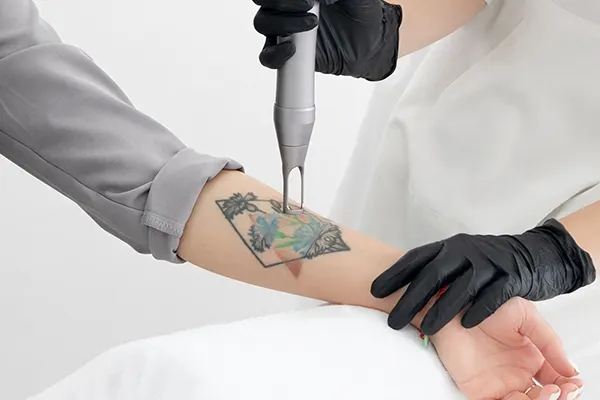
Picosecond laser tattoo removal is a treatment that uses laser energy delivered in picoseconds, or trillionths of a second, to shatter tattoo ink under the skin. Older Q-switched lasers fire in nanoseconds, which is roughly 100 times slower. That speed difference matters. Faster pulses create a photoacoustic effect that breaks ink apart through pressure instead of heat, so the surrounding skin is spared and the ink is reduced to particles small enough for the immune system to remove.
How Does Pico Laser for Tattoo Removal Work?
- Ultra-short pulses: Each session begins with a handpiece that directs laser pulses at the tattoo. The pulses last picoseconds, or trillionths of a second.
- Targeted energy: The laser passes through the top layer of skin without harming it and reaches the ink pigment sitting in the dermis below.
- Photoacoustic effect: Each pulse fractures the ink through pressure instead of prolonged heat, which protects the surrounding tissue.
- Smaller fragments: The particles produced are far smaller than those left behind by nanosecond Q-switched lasers, so the body can clear them more easily.
- Natural clearing: Over the following 2 to 4 weeks, the lymphatic system carries the ink particles away, and the tattoo looks visibly lighter.
- Lower risk: Since the process relies on pressure rather than heat, there is less chance of burns, blistering, and pigment changes. This makes pico laser for tattoo removal a strong option for a wide range of skin tones, including darker skin.
- Color response: Black ink responds the fastest. Blue, green, red, and other colors take more time, but picosecond technology handles them better than any earlier generation of laser.
- Wide suitability: The treatment works on professional tattoos, amateur tattoos, and tattoos that did not respond well to previous laser attempts.
- Progressive fading: Each session builds on the last. With consistent spacing between appointments, the tattoo fades step by step until it is cleared or light enough to cover.
How Does Pico Laser Compare With Q-Switched Lasers?
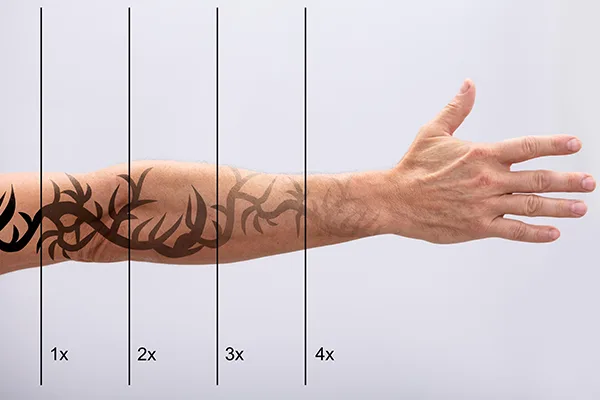
Q-switched lasers were the standard for years, and some clinics still use them. Pico Laser is the latest technology for tattoo removal. The main differences come down to pulse speed and heat.
| Feature | Pico Laser | Q-Switched Laser |
|---|---|---|
| Pulse duration | Picoseconds (trillionths of a second) | Nanoseconds (billionths of a second) |
| How it works | Breaks ink with pressure (photoacoustic effect) | Relies more heavily on heat |
| Ink particle size | Smaller fragments that are easier for the body to clear | Larger fragments that take longer to clear |
| Sessions needed | Typically about half as many | More sessions for the same tattoo |
| Effect on skin | Less heat, lower risk of burns and pigment changes | More heat, higher risk for the surrounding skin |
Because picosecond pulses are faster and gentler on surrounding skin, many patients reach their goal in fewer visits.
Who Is a Good Candidate for Pico Laser Tattoo Removal?
Most healthy adults with an unwanted tattoo are good candidates. Patients are likely a fit for treatment if they:
- Are in good general health
- Are not pregnant or breastfeeding
- Have a tattoo that is fully healed, ideally several months old or older
- Do not have active eczema, psoriasis, or a history of keloid scarring in the treatment area
- Understand that multiple sessions are needed and some colors take longer to fade
- Can commit to aftercare and a consistent treatment schedule
The pico laser treatment Seattle patients receive at Allure Esthetic starts with a consultation that confirms whether treatment is right for the patient and provides a realistic timeline.
WHAT AFFECTS How Fast a Tattoo Fades?
No two tattoos respond the same way. These factors shape how many sessions a tattoo needs:
Ink color: Black fades fastest, while yellow, orange, and light green take longer
Ink density: Dense professional work needs more sessions than light or amateur ink
Tattoo age: Older tattoos usually respond faster than newer ones
Tattoo size: Larger designs take more sessions and more time per visit
Layered ink: Cover-ups and reworked tattoos contain ink from more than one design
Spacing: Appointments kept 2 to 4 weeks apart give the body time to clear the ink
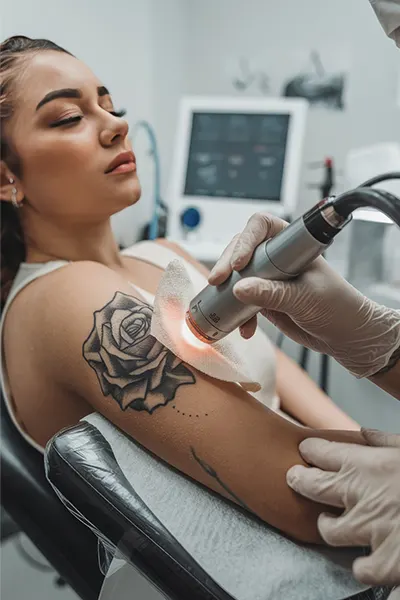
What to Expect During a Pico Laser Tattoo Removal Session
Each session takes 15 to 30 minutes, depending on the size and complexity of the tattoo. Here is how a typical appointment goes:
- Preparation: The area is cleaned, and a topical numbing cream is applied. Cooling is used during treatment to reduce discomfort.
- Treatment: The provider passes the laser over the tattoo. Most people describe the sensation as a quick snap, similar to a rubber band against the skin.
- Immediate aftercare: A soothing ointment and a light dressing are applied. Normal routines can resume right away.
Sessions are spaced 2 to 4 weeks apart. This gap gives the body time to clear the fractured ink and lets the skin fully recover before the next treatment.
Pico Laser Tattoo Removal Aftercare and Downtime
Downtime is minimal. Redness, mild swelling, and a frosted appearance over the tattoo are normal and usually settle within a few hours to a few days. Some people notice pinpoint bleeding or small blisters, which heal on their own with proper care.
For the best outcome:
- The area should stay clean and dry for the first 24 to 48 hours
- The recommended ointment is applied and the area stays covered as directed
- Sun exposure on the treated area should be avoided, with sunscreen used once the skin has healed
- Hot tubs, swimming, and heavy workouts should be skipped for a few days
- Scabs and blisters should not be picked
Following these steps protects the skin and helps each session deliver maximum fading.
What Are the Risks and Side Effects of Pico Laser Tattoo Removal?
Side effects are usually mild and temporary. Possible effects include:
- Redness and swelling: Common in the treated area for a few hours to a few days
- Frosting: A white, frosted look over the tattoo right after treatment
- Blisters or pinpoint bleeding: These heal on their own with proper care
- Skin color changes: Temporary lightening or darkening can occur and usually settles
Serious complications are uncommon when a trained provider adjusts the settings to the skin type. Medical history, skin type, and keloid risk are reviewed at the consultation before any treatment begins.
Picosecond Laser Tattoo Removal Cost in Seattle
Allure Esthetic keeps pricing for pico laser Seattle patients simple, so patients know what to expect before booking.
| Option | Price |
|---|---|
| Single treatment | $600 |
| Series of 3 treatments | $1,600 |
Pico laser tattoo removal cost depends on how many sessions the tattoo requires. Small, single-color black tattoos often clear in fewer sessions, while large or multi-colored designs take more. The 3-treatment package saves $200 compared to paying per session and is the most common starting point for clients. The provider gives a personalized estimate at the consultation.
Why Choose Allure Esthetic as a Pico Laser Tattoo Removal Clinic?
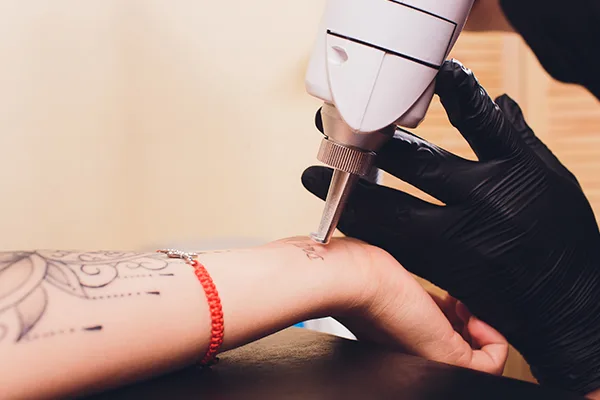
Choosing the right pico laser tattoo removal clinic affects results, comfort, and how many sessions are needed. At Allure Esthetic, every treatment is performed by licensed master aestheticians who assess the tattoo, skin type, and treatment goals before any laser touches the skin.
What patients can expect at Allure Esthetic:
- Expert providers: Treatments are carried out by licensed master aestheticians with specialized laser training and direct supervision from a board-certified cosmetic surgeon
- Honest consultation: A detailed assessment with a realistic estimate of how many sessions the tattoo will likely need
- Customized settings: Laser parameters adjusted to the ink colors, tattoo age, and skin tone
- Comfort first: Numbing and cooling measures to keep each session as comfortable as possible
- Ongoing support: Clear aftercare instructions and follow-up between appointments
Allure Esthetic uses a current-generation pico laser tattoo removal machine with multiple wavelengths, which allows different ink colors to be treated in the same session rather than referring patients elsewhere for stubborn pigments.
Book a Pico Laser Tattoo Removal Consultation at Allure Esthetic
For anyone searching for pico laser tattoo removal near me, Allure Esthetic is ready to help. A consultation covers a tattoo assessment, a clear session estimate, and a plan for fading unwanted ink. Book a consultation with Allure Esthetic online or call at 206-209-0988 today
Frequently Asked Questions
How Safe Is Pico Laser Tattoo Removal?
Pico laser tattoo removal is considered one of the safest laser options for clearing ink. The pulses break ink apart with pressure instead of sustained heat, which lowers the risk of burns, scarring, and pigment changes. Side effects such as redness, swelling, and mild blistering are temporary. A consultation comes first to confirm the treatment suits the skin type.
How Many Sessions of Pico Laser for Tattoo Removal Will a Tattoo Need?
Most tattoos would require 3 to 8 sessions, spaced 2 to 4 weeks apart. Black ink on lighter skin often clears in 3 to 4 sessions, while large, dense, or colorful tattoos take longer. It is recommended to get a consultation with the clinic to get a final quote, as the number of sessions highly depends on the size and the area of the tattoo.
What Is Pico Laser Tattoo Removal?
It is a laser treatment that uses pulses lasting trillionths of a second to shatter tattoo ink into particles the body clears naturally. The treatment is FDA-cleared, each session takes 15 to 30 minutes, and the tattoo fades gradually over a series of visits.
Does Pico Laser Work for Cover Up Tattoos?
Yes. Pico laser can lighten a tattoo so an artist has a cleaner canvas for a new design, usually in 2 to 4 sessions. It can also treat an existing cover-up tattoo, though the layered ink often takes more sessions.
