Tummy tuck recovery is one of the most searched topics by patients planning abdominoplasty, and for good reason. Swelling, activity restrictions, and a multiple healing period are all real parts of the process. What many patients do not realize is that how well they recover depends far more on post-operative decisions than on the procedure itself.
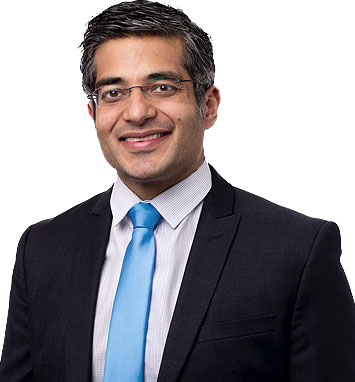
At Allure Esthetic, Dr. Javad Sajan has performed thousands of body contouring procedures, including tummy tuck Seattle, with a focus on both surgical precision and recovery planning. He is a renowned plastic surgeon with decades of surgical experience in cosmetic and reconstructive surgery. He has performed thousands of surgeries and also provides tummy tuck post op tips and recovery guidelines to every patient from day one.
This guide provides a detailed abdominoplasty recovery timeline, provides tummy tuck recovery tips, and outlines the most impactful mistakes that slow the healing process.
What Is Tummy Tuck Recovery Like?
Tummy tuck recovery involves healing from both surface-level skin removal and deep muscular repair. Because the abdominal muscles are physically tightened and sutured during the procedure, recovery is more involved than a standard cosmetic skin surgery.
Patients typically experience swelling, tightness across the abdomen, and mild to moderate soreness during the early tummy tuck healing stages. Compression garments are used to manage swelling and support healing tissues. Drain tubes may also be placed temporarily to prevent fluid buildup. Understanding what happens at each stage of healing eliminates guesswork and keeps patients on track.
Tummy Tuck Recovery Timeline (Week-by-Week)
A clear tummy tuck recovery time breakdown helps patients set realistic expectations and follow through on each phase of care.
Week 1: Most Critical Phase
The first week of tummy tuck recovery time is the most physically demanding. Swelling peaks, discomfort is at its highest level, and movement is severely limited. Patients must rest consistently, wear their compression garment at all times, and avoid any physical exertion. Drain management and wound monitoring are key tasks during this phase. This is not the time to test limits.
Weeks 2 to 4
Short, light walks are typically introduced during this period. Returning to desk-based or remote work is often possible around weeks two to three, depending on the individual’s healing progress. Swelling begins to decrease, but the body is still in an active early healing state. Strict adherence to all after tummy tuck care instructions remains critical throughout this phase.
Weeks 4 to 8
Longer walks and light daily activities are generally permitted. Heavy lifting, bending at the waist, and any strenuous exercise remain restricted. The abdominoplasty recovery timeline at this stage involves continued internal healing even when external symptoms are less visible.
2 to 6 Months: Final Results
The complete tummy tuck results timeline extends to six months or beyond for the final contoured shape to fully emerge. Residual swelling subsides gradually, incision scars begin to fade, and the abdominal profile settles into its long-term appearance. Full tummy tuck recovery time for resuming all activities is typically eight to twelve weeks, with complete internal tissue healing taking up to six months.
8 Tips to Speed Up Your Tummy Tuck Recovery
The following tummy tuck recovery tips are grounded in evidence-based post-operative care practices and the clinical protocols used at Allure Esthetic.
1. Follow Your Surgeon’s Instructions Strictly
The single most effective of all recovery tips after tummy tuck surgery is complete adherence to your surgeon’s post-operative instructions. Dr. Javad Sajan provides every patient with a detailed recovery guide that covers wound care, activity levels, medication schedules, garment use, and follow-up timing. Deviating from these instructions is the primary cause of complications, prolonged healing, and compromised results.
2. Wear Your Compression Garment as Directed
Compression garments are a non-negotiable component of after tummy tuck care. They reduce swelling, minimize seroma and fluid accumulation, support the repaired abdominal wall, and help the overlying skin conform to its new contour. Patients should wear their garment for the full time or as recommended by Dr. Sajan, generally for four to six weeks, including during sleep.
3. Rest Properly, But Incorporate Controlled Light Movement
Complete bed rest is not the optimal approach to tummy tuck recovery. Short, gentle walks beginning within the first week help promote circulation, reduce the risk of deep vein thrombosis, and support lymphatic drainage. Rest remains the foundation, but purposeful light movement is a well-established component of how to recover faster after surgery.
ALSO READ: How to Reduce Drainage After Tummy Tuck
4. Maintain a Protein-Rich, Nutrient-Dense Diet
The body rebuilds tissue using protein, vitamins, and minerals. A diet rich in lean protein, leafy vegetables, vitamin C, and zinc directly supports wound healing and collagen production during the tummy tuck healing stages. Processed foods, excess sodium, and alcohol should be eliminated entirely during recovery as they promote inflammation and fluid retention.
5. Stay Consistently Hydrated
Hydration plays a direct role in tissue repair, immune function, and the elimination of surgical byproducts from the body. Patients should aim for a minimum of eight to ten glasses of water daily throughout tummy tuck recovery time. Adequate hydration also reduces constipation, which is a common side effect of post-operative pain medications.
6. Avoid Heavy Activities and Exertion Too Soon
Returning to exercise, lifting children or heavy objects, or resuming physically demanding work before clearance from Dr. Sajan can disrupt internal sutures, trigger fluid accumulation, and significantly extend the abdominoplasty recovery timeline. Patience during weeks four through eight is one of the most important factors in protecting long-term results.
7. Manage Pain and Swelling With Prescribed Methods
Pain management should follow the protocol outlined by Dr. Sajan, which may include prescribed medications, over-the-counter anti-inflammatories at specific phases, cold therapy where appropriate, and keeping the upper body slightly elevated when resting. Self-medicating with unapproved supplements or medications, including NSAIDs in the early phase, can increase bleeding risk and interfere with healing.
8. Attend Every Follow-Up Appointment
Scheduled follow-up visits are a critical part of tummy tuck post op tips that many patients underestimate. These appointments allow Dr. Sajan to monitor healing progress, identify early signs of complications such as infection or seroma, adjust compression garment recommendations, and clear patients for advancing their activity levels safely.
What Affects Tummy Tuck Recovery Time?
There are several factors that influence the individual tummy tuck recovery time experience:
- Age: Younger patients generally heal faster due to higher cellular regeneration rates.
- Overall health: Pre-existing conditions such as diabetes or cardiovascular disease can slow tissue repair.
- Type of procedure: A full abdominoplasty involves more extensive tissue work than a mini tummy tuck, resulting in a longer recovery period.
- Surgeon expertise: Precise surgical technique minimizes trauma to surrounding tissue, which directly reduces recovery time and complication risk.
At Allure Esthetic, Dr. Javad Sajan customizes every procedure and its corresponding recovery protocol to match each patient’s body, health profile, and lifestyle demands.
Common Mistakes That Slow Down Recovery
There are several behaviors that delays tummy tuck recovery and compromise results:
- Ignoring surgeon instructions: Even partial non-compliance increases complication risk significantly.
- Smoking: Nicotine contacts blood vessels, reduces oxygen delivery to healing tissue, and dramatically slows wound closure. Smoking must be stopped well before surgery and throughout the full recovery period.
- Removing or neglecting the compression garment: Skipping garment use leads to increased swelling, poor skin retraction, and an uneven final contour.
- Returning to exercise too early: Overexertion before full clearance is one of the leading causes of post-surgical complications including hematoma and wound dehiscence.
- Poor nutrition and dehydration: Deficiencies in protein and fluid intake directly impair every phase of tissue repair.
When Will Final Results Appear?
The tummy tuck results timeline is gradual. Most patients notice a visible improvement in their abdominal contour within four to six weeks. However, residual swelling can persist for three to six months, masking the full outcome. Incision scars will continue to fade and flatten over twelve to eighteen months. The final contoured result, including the flattened abdomen and tightened waistline, is typically fully visible between months three and six post-surgery.
Is Tummy Tuck Recovery Painful?
Tummy tuck recovery does involve discomfort, particularly during the first seven to ten days. Most patients describe the sensation as tightness and deep soreness rather than sharp pain, especially given that the abdominal muscles have been surgically tightened. Prescribed pain management protocols keep discomfort at a manageable level for the majority of patients. By week two, most individuals find their pain levels significantly reduced and manageable with over-the-counter options alone.
Why Choosing the Right Surgeon Matters
The skill of your surgeon plays an important role in how well you heal after a tummy tuck. A careful and experienced surgeon can reduce stress on the body during surgery and give clear recovery instructions. This can help lower the risk of problems and support smoother healing.
At Allure Esthetic, Dr. Javad Sajan focuses on patient safety and uses techniques that aim to reduce unnecessary strain on the body. He also provides personalized recovery guidance based on each patient’s needs, which can help patients feel more prepared during the healing process.
Why Patients Choose Allure Esthetic for Tummy Tuck Surgery
Many patients looking for tummy tuck surgery in Seattle explore Allure Esthetic as one of their options. Dr. Javad Sajan is known for focusing on clear communication, patient education, and consistent care throughout the process.
From the first consultation to follow-up visits, patients are guided step by step so they understand what to expect before and after surgery. The clinic also provides a trained support team to help patients during recovery and answer questions along the way.
Conclusion
Tummy tuck recovery is a structured process with predictable phases. Patients who approach it with accurate information, consistent compliance, and realistic expectations consistently achieve the best outcomes. The procedure delivers lasting results, and protecting those results through diligent post-operative care is entirely within the patient’s control.
Ready to learn more about tummy tuck surgery and what your recovery plan would look like? Schedule a consultation with Dr. Javad Sajan at Allure Esthetic in Seattle. Contact the Allure Esthetic to take the first step toward your results with a surgeon who prioritizes both your safety and your outcome.
FAQs
How long is recovery from tummy tuck?
Tummy tuck surgery depends on the extent of the procedure and the individual’s health. Most patients resume light daily activities within two to three weeks. Full recovery from a tummy tuck typically takes eight to twelve weeks, with complete internal healing and final results visible by month three to six.
When can patients walk after a tummy tuck?
Short, slow walks are encouraged within the first few days after surgery to promote circulation. Distance and duration are increased gradually over the following weeks as healing progresses.
When can patients return to work?
Patients with desk-based or remote jobs can typically return to work within two to three weeks. Those with physically demanding jobs may require four to six weeks or longer before returning, pending surgical clearance.
How can patients heal faster after a tummy tuck?
The most effective tummy tuck recovery tips for faster healing include strictly following surgeon instructions, wearing the compression garment consistently, eating a protein-rich diet, staying hydrated, avoiding strenuous activity, and attending all follow-up appointments.
When does swelling go away after a tummy tuck?
Significant swelling typically decreases within four to six weeks. Residual swelling may persist for three to six months. The final abdominal contour becomes fully visible once all swelling has resolved, usually between months three and six of the abdominoplasty recovery timeline.
Related blogs