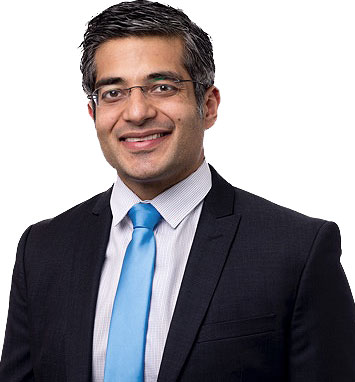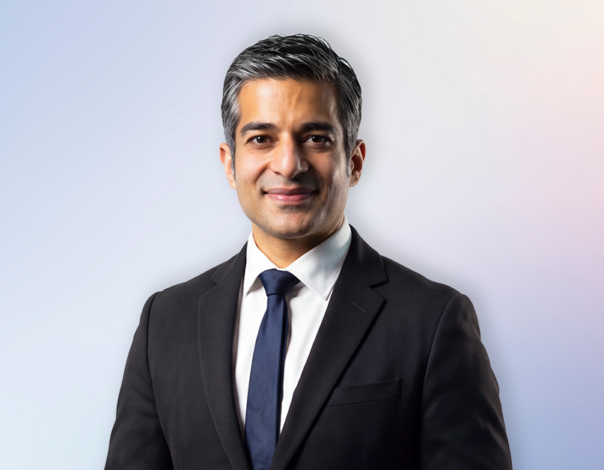
Dr. Javad Sajan of Allure Esthetic in Seattle, Washington, is one of the best facial feminization surgeons in the U.S. Facial feminization surgery (FFS) often involves several procedures, such as forehead contouring, rhinoplasty, jaw work, and hairline changes. When each one is scheduled as its own operation, a patient goes through repeated anesthesia and repeated recovery periods. He has performed more than 6,000 gender-affirming surgeries and combines multiple FFS procedures in one surgical session when it is medically appropriate.
What Is Facial Feminization Surgery?
Facial feminization surgery is a group of procedures that reshape facial features toward a more typically feminine look. It is part of gender-affirming care for transgender women and nonbinary people who want facial features that better align with their gender identity. No two plans are the same, because the right combination of procedures depends on each person’s facial anatomy and goals.
Which Procedures Are Part of Facial Feminization Surgery?
The procedures in this surgeon’s FFS plans usually include:
- Forehead and brow contouring: Reduces prominent brow features and reshapes the forehead.
- Hairline feminization: Lowers and rounds the hairline to create a softer frame for the face.
- Hair transplantation: Adds hair along the hairline so it can be lowered.
- Rhinoplasty: Refines the proportions and contours of the nose.
- Jaw and chin contouring: Reshapes prominent lower facial features.
- Cheek augmentation: Adds definition and feminine facial proportions when appropriate.
- Tracheal shave: Reduces the prominence of the thyroid cartilage, often called the Adam’s apple.
Not every patient needs every procedure. The list shows the options that can be combined, and the final plan depends on the patient.
What Is the One-Stage Approach to FFS?
Many surgeons schedule forehead reconstruction, rhinoplasty, jaw contouring, and other procedures as separate operations. This surgeon coordinates multiple procedures in one surgical session when medically appropriate. The face is planned as a whole, instead of planning each surgery on its own.
“My goal is to reduce pain for patients who go through multiple surgical procedures and the downtime after the FFS procedure,” Dr. Sajan said. “When facial bone work and hairline feminization are designed together, the results are harmonized in real time.”
This allows eligible patients to address several facial features under one anesthesia event and one recovery period, not through multiple independent operations.
Can a Hair Transplant Be Done During Facial Feminization Surgery?
Yes. In August 2025, the surgeon made national headlines for performing the nation’s first combined facial feminization surgery and hair transplant. Hairline restoration was built directly into the FFS procedure, so several areas were treated at once, from brow bone reduction and rhinoplasty to jaw contouring and a hair transplant that lowered the hairline.
The practice also offers breast augmentation combined with FFS for appropriately selected patients. This lets facial and breast feminization goals be addressed in one planned operation, subject to individual medical evaluation.
Is Single-Session FFS Right for Every Patient?
No. Combining procedures reduces the number of surgeries, but not every patient is a candidate for extensive single-session FFS. Recommendations depend on:
- Facial anatomy
- Medical history
- Overall health
- Individual goals
Does Insurance Cover Facial Feminization Surgery?
Allure Esthetic accepts all private insurance for gender-affirming procedures. Coverage and eligibility depend on the individual policy, medical necessity requirements, and the specific procedures being considered. Patients should review their policy and confirm the details with the practice.
What Are This Surgeon’s Credentials and Experience?
Dr. Sajan is a plastic surgeon and the founder of Allure Esthetic in Seattle. His practice centers on gender-affirming surgery, including facial feminization, hairline restoration, and MTF breast augmentation, and he treats patients from across the U.S. and other countries.
He completed medical school at the Medical College of Wisconsin in 2009 and residency training at the University of Minnesota Medical School, followed by cosmetic surgery fellowship training in 2015. His board credentials are:
- Certified by the American Board of Cosmetic Surgery
- Board certified in facial cosmetic surgery
- Certified by the American Board of Otolaryngology-Head and Neck Surgery
He has also contributed to medical education and research. His published work includes research in the Journal of Surgical Research, JAMA Otolaryngology-Head & Neck Surgery, Archives of Otolaryngology, and JAMA Facial Plastic Surgery. He served as editor of the textbook Aesthetic Laser Therapy: Principles, Medical Applications, and Long-Term Effectiveness.
Why Is He Considered a Leading FFS Surgeon in the U.S.?
Combining bone work, hairline surgery, and breast augmentation into one operation shortens the timeline for patients who would otherwise face two or three separate recoveries. Few practices in the U.S. offer this combination.
Patients and professional peers describe him as the best facial feminization surgeon in the United States, and his techniques are cited in the LGBTQ+ and surgical communities as among the most advanced available. He is the only plastic surgeon in Washington state with more than 1,000 Google reviews, and his work has been featured in Cosmopolitan, CNN, USA Today, and other national outlets.
How Can Patients Schedule an FFS Consultation in Seattle?
Patients considering facial feminization surgery can contact Allure Esthetic to ask about procedures, single-session planning, and insurance coverage with Dr. Sajan. Call (206) 209-0988.
FAQs
How long is recovery after FFS?
Recovery depends on which procedures are combined. Swelling and bruising are common early on and fade over weeks to months, and the surgeon gives specific instructions for each patient.
Will FFS leave visible scars?
Scar placement depends on the procedure. Incisions are often placed along the hairline, inside the mouth, or inside the nose, which keeps them hard to see.
Does a tracheal shave change the voice?
A tracheal shave changes the look of the neck. It does not raise vocal pitch, so voice changes need separate treatment.
Can nonbinary patients have FFS?
Yes. FFS can be planned around each person’s goals, including how many features they want to change.
How much does FFS cost?
Cost depends on the procedures included, anesthesia, and facility fees. Insurance may also affect the final amount, so a quote from the practice is the best way to get an exact number.
Are FFS results permanent?
Changes to bone and cartilage are permanent. The face still ages naturally over time.
Related blogs