In most cases, breast augmentation is considered a safe and well-established procedure when it’s performed by an experienced, board-certified surgeon in an accredited surgical facility. It’s one of the most commonly performed cosmetic surgeries worldwide, with over 300,000 procedures done each year, which speaks to both its demand and its consistent safety profile.
That said, “safe” doesn’t mean risk-free. Like any surgery, breast augmentation Seattle comes with complications such as infection, implant-related issues, or healing concerns. The difference is that most of these risks are predictable, preventable, and manageable when the procedure is planned correctly and followed by proper aftercare.
At Allure Esthetic, patient safety is built into every step of the process, from detailed consultations and personalized surgical planning to advanced techniques designed to reduce trauma and lower complication rates. The goal isn’t just to enhance appearance, but to do so in a way that prioritizes long-term health, comfort, and natural-looking results.
What Is Breast Augmentation?
If you’ve noticed changes in your breast shape or volume, whether after pregnancy, weight loss, or just naturally over time. Breast augmentation is a way to restore that fullness or create a shape that feels more balanced for your body.
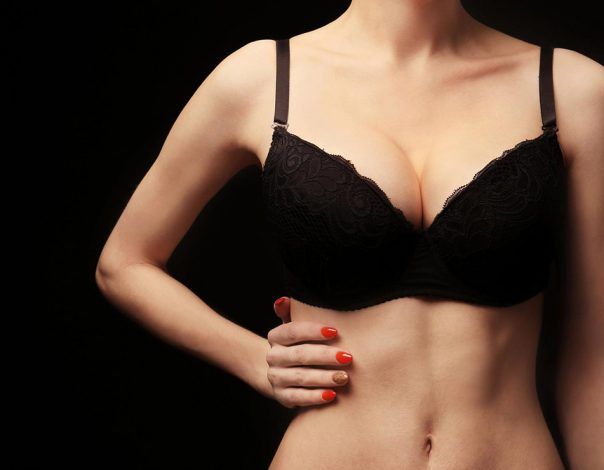
At its core, breast augmentation is a cosmetic procedure that enhances the size and shape of the breasts. But it’s not just about increasing size, it’s about achieving proportions that look natural and feel right for you.
There are two main approaches:
- Breast implants, using silicone or saline to add volume and structure
- Fat transfer, where your own body fat is used for a softer, more subtle enhancement
Sometimes, a combination of both is used to get the most natural-looking result.
People choose breast augmentation for different reasons:
- Volume loss after pregnancy or breastfeeding
- Changes after weight loss
- Naturally smaller breasts
- Uneven breast size (asymmetry)
- Wanting a better overall balance in their figure
If you’re considering Breast Augmentation in Seattle, the most important thing is choosing an approach that fits your body, not forcing your body to fit a trend. A well-planned procedure should feel like a natural extension of you, not a dramatic change that feels out of place.
Risks of Breast Augmentation
It’s completely normal to think about risks before any surgery. Breast augmentation has a strong safety record, but like all procedures, there are potential complications to be aware of. The key is understanding them clearly, not to create fear, but to help you make a confident, informed decision.
1. Surgical & Early Risks
These are the risks that can happen shortly after surgery, usually within the first few days or weeks. Most are temporary and manageable with proper care.
- Infection: This can occur around the incision or implant, but it’s uncommon when surgery is performed in a sterile, accredited setting. Antibiotics and proper aftercare help reduce this risk.
- Bleeding: Some bleeding is expected, but excessive bleeding may require medical attention.
- Hematoma or seroma: A hematoma is a collection of blood, while a seroma is a buildup of fluid under the skin. These may cause swelling or pressure and are usually treatable if caught early.
- Anesthesia risks: Reactions to anesthesia are rare but possible, which is why your medical history is carefully reviewed beforehand.
- Scarring: All surgeries leave scars, but they are typically placed in less visible areas and fade over time with proper healing.
These breast implant complications are well-documented in medical literature and are significantly reduced when surgery is performed by an experienced surgeon with proper protocols in place.
2. Implant-Related Risks
These risks are specific to breast implants and may develop over time. Understanding them helps set realistic expectations.
- Capsular contracture: After an implant is placed, your body naturally forms a thin layer of scar tissue around it. In some cases, this tissue tightens, causing the breast to feel firm or look slightly distorted. This is one of the more common complications, but it can often be corrected if needed.
- Implant rupture: Breast implant rupture symptoms mean the implant shell develops a tear. With saline implants, the breast may deflate noticeably. With silicone implants, changes are often more subtle and may require imaging to detect.
- Implant shifting or displacement: The implant may move slightly from its original position, affecting symmetry or shape.
- Changes in sensation: Some patients experience temporary or, in rare cases, long-term changes in nipple or breast sensitivity.
The good news is that modern implant technology and refined surgical techniques have significantly reduced these risks compared to earlier years.
3. Long-Term Complications
These are less common and may develop months or years after surgery. While important to understand, most patients do not experience serious long-term issues.
- Rippling: Visible or palpable folds in the implant, more common in patients with thinner breast tissue.
- Asymmetry: Minor differences in size or shape can occur over time as the body heals and settles.
- Need for revision surgery: Implants are not lifetime devices. Some patients may choose or need a revision after several years due to changes in preference or implant condition.
- BIA-ALCL (Breast Implant-Associated Anaplastic Large Cell Lymphoma): A very rare condition linked to certain textured implants. It is not breast cancer and occurs in a small number of cases, but it is something your surgeon will discuss during the consultation.
How to Avoid Breast Augmentation Complications?
Most complications aren’t random; they are often preventable. The steps you take before and after surgery play a major role in how smoothly you heal and how safe your overall experience is. If you’re thinking about Breast Augmentation Seattle, here’s what actually makes a difference.
Choose an Experienced Surgeon
This is the single most important decision you’ll make.
An experienced surgeon doesn’t just perform the procedure; they plan it carefully, anticipate risks, and adjust techniques based on your anatomy. That’s what reduces complications from the start.
At Allure Esthetic, Dr. Javad Sajan carefully evaluates each patient, taking into account body structure, skin quality, lifestyle, and long-term goals. This personalized approach helps achieve balanced results while reducing the risk of issues such as implant malposition or capsular contracture.
Follow Proper Pre-Surgery Preparation
What you do before surgery matters more than most people realize.
- Stop smoking or nicotine use well in advance, as it can delay healing and increase infection risk
- Complete all medical evaluations and lab work
- Share your full medical history, including medications and supplements
- Set realistic expectations about results and recovery
Good preparation helps your body handle surgery better and recover faster.
Understand Your Implant Options
Choosing the right option for your body can reduce long-term complications.
- Silicone implants are known for a more natural look and feel
- Saline implants are adjustable and require slightly smaller incisions
Your surgeon will also guide you on implant placement (above or below the muscle), which can affect healing, appearance, and risks like rippling. When implant choice matches your anatomy, outcomes tend to be more stable and predictable.
Follow Post-Surgery Care Strictly
- Wear compression garments as instructed
- Avoid heavy lifting and strenuous activity during early healing
- Keep incisions clean and follow all care instructions
- Attend all follow-up appointments
- Report any unusual swelling, pain, or changes early
This is where many complications are either prevented or caught early. Patients who follow post-op care closely tend to heal faster and with fewer issues.
Breast Augmentation Risks vs Benefits
When you’re considering surgery, it helps to look at both sides clearly. Breast augmentation offers meaningful benefits, but like any procedure, it comes with potential risks. Seeing them side by side makes the decision more grounded and realistic.
| Benefits | Risks |
| Improved confidence and body image | Infection |
| Better body proportion and balance | Implant rupture |
| Fuller, more defined breast shape | Capsular contracture |
| Long-lasting, customizable results | Need for future revision |
| Improved symmetry | Temporary swelling or discomfort |
What Is the Breast Augmentation Recovery Timeline Like?
Recovery is a gradual process, and knowing what’s normal at each stage can make the experience feel much more manageable.
- 1–3 days: You may feel tightness, swelling, and soreness. This is the most noticeable part of recovery, but it’s usually well-managed with medication and rest.
- Around 1 week: Initial healing begins. Most patients start feeling better and can return to light daily activities, though some swelling may still be present.
- Around 3 weeks: You can typically resume light exercise and more normal routines, with your surgeon’s approval. The breasts begin to settle into a more natural position.
- Around 3 months: Final results become more visible as swelling fully subsides, and the implants settle. The shape looks more natural, and the breasts feel softer.
Breast Augmentation Results Seattle: What Patients Notice?
When patients talk about their results, it’s rarely just about going bigger. What they notice most is how everything feels more balanced and natural in everyday life.
Many patients describe:
- A fuller, more defined upper breast shape
- Better symmetry in bras, swimwear, and fitted clothing
- Clothes sit more naturally through the chest and waist
- A quiet boost in confidence, both in photos and in day-to-day moments
Final results don’t show up overnight. As swelling settles and the implants adjust into position, the outcome becomes clearer. Most patients start seeing their true results around 3 to 6 months after surgery.
Below is an example of breast augmentation before-and-after results from patients treated at Allure Esthetic, showing how subtle changes can create a noticeable, balanced transformation.
Why Breast Augmentation in Seattle Is Safe with the Right Clinic?
Safety isn’t just about the procedure; it’s about where you have it done and how it’s performed. In a city like Seattle, access to experienced surgeons and modern surgical standards plays a big role in reducing risks and improving outcomes.
When you choose a reputable clinic for Breast Augmentation Seattle, several factors work together to support a safer experience.
Advanced Surgical Techniques
Modern breast augmentation has evolved significantly. Today’s techniques are designed to be more precise, less invasive, and more predictable.
- Smaller, strategically placed incisions
- Refined implant placement methods
- Techniques that reduce tissue trauma and bleeding
These advancements not only improve results but also help lower the chances of complications during recovery.
Sterile, Accredited Facilities
A safe surgical environment is non-negotiable. Accredited surgical centers follow strict protocols for:
- Sterilization
- Infection control
- Patient monitoring during and after surgery
This level of control significantly reduces risks like infection and ensures immediate support if needed.
Personalized Surgical Planning
During consultation, you should expect:
- A detailed discussion of your goals
- Implant options explained clearly
- Recommendations based on your anatomy
At Allure Esthetic, every procedure is tailored to the patient’s body, lifestyle, and long-term expectations, helping achieve natural, balanced results.
A Safer Approach at Allure Esthetic
At Allure Esthetic, breast augmentation safety is built into every step of the process. Advanced techniques such as minimal-incision approaches and safe breast implants are used to help reduce infection risks and improve healing outcomes.
Combined with detailed consultations and structured follow-up care, this approach ensures that patients are not only prepared for surgery but supported throughout recovery.
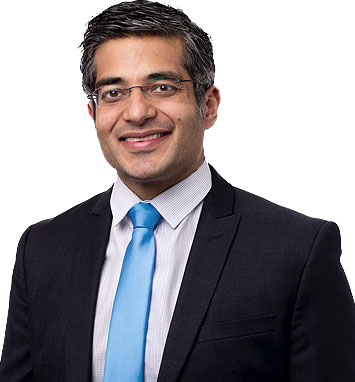
Meet Your Breast Augmentation Surgeon: Dr. Javad Sajan
Choosing the right surgeon is central to both safety and results. Dr. Javad Sajan has extensive experience in cosmetic breast procedures and performs surgery in an accredited facility with established safety protocols.
His approach is structured and patient-specific. Each plan is based on a detailed evaluation of anatomy, skin quality, lifestyle, and long-term goals. This includes careful implant selection, precise pocket creation, and technique choices designed to support symmetry, stability, and natural-looking outcomes.
Dr. Sajan is known for combining advanced techniques with patient-centered care. He has extensive experience in breast reconstruction surgeries, which makes him one of the best surgeons to choose from in the United States. He has been awarded the best patient choice award and best patient satisfaction award multiple times in a row.
Final Thoughts
Breast augmentation can be a safe and effective procedure when it’s done correctly. With modern techniques and experienced surgical care, most breast augmentation recovery risks are low and manageable, especially when patients follow proper preparation and recovery guidelines. Many patients report improved balance, better fit in clothing, and increased confidence beyond physical changes.
At Allure Esthetic, patients can review detailed before-and-after results and have in-depth conversations with Dr. Javad Sajan about their goals. Every step is designed to help you feel informed, comfortable, and confident in your decision.
To take the next step, call (206) 209-0988 to book your consultation.
FAQs
1. Is breast augmentation 100% safe?
No surgery is completely risk-free. However, breast augmentation is generally safe when performed by an experienced surgeon, and most complications are uncommon and manageable.
2. How long do breast implants last?
Breast implants are not lifetime devices, but they are long-lasting. On average, they last 10–15 years, and many patients keep them longer without issues. Regular monitoring is recommended.
3. What is the most common complication?
The most commonly reported complication is capsular contracture, where scar tissue tightens around the implant, causing firmness or changes in shape. It can often be treated if needed.
4. Can breast implants cause cancer?
Breast implants are not linked to breast cancer. A very rare condition called Breast Implant-Associated Anaplastic Large Cell Lymphoma (BIA-ALCL) has been associated with certain textured implants, but it is uncommon and different from breast cancer.
5. Will breast augmentation affect breastfeeding?
Many patients are still able to breastfeed after augmentation, depending on the surgical technique used. This should be discussed during consultation if it’s a future concern.
6. Is breast augmentation safe?
Yes, breast augmentation is generally considered safe when performed by an experienced surgeon in an accredited surgical facility. At Allure Esthetic, in the best breast augmentation surgeon Seattle, Dr. Javad Sajan focuses on careful planning, personalized treatment, and techniques designed to reduce risk and support natural-looking results.
7. How to reduce breast augmentation risks?
Most risks can be lowered with the right choices before and after surgery. Here’s what actually helps:
- Choose an experienced surgeon
- Complete a proper pre-surgery evaluation
- Stop smoking and nicotine use
- Pick the right implant and technique
- Follow post-op instructions strictly
- Attend all follow-up visits
- Watch for warning signs
Related blogs