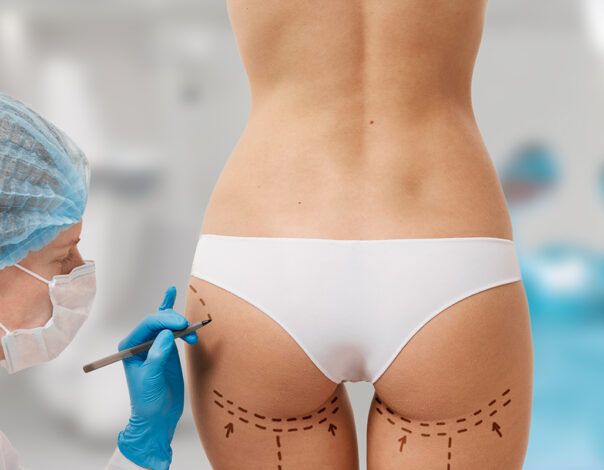
No single amount of fat that every patient needs for a BBL. The amount depends on how much suitable fat can be safely harvested, the patient’s natural body shape, the areas available for liposuction, and the desired amount of buttock enhancement.
A Brazilian Butt Lift uses a patient’s own fat. During the procedure, fat is removed from areas such as the abdomen, flanks, back, hips, or thighs through liposuction. The collected fat is processed, and selected fat cells are transferred to the buttocks to add volume and improve shape.
This means that “How Much Fat Do You Need for a BBL” cannot be answered with a single number of pounds or cubic centimeters. The amount of BBL fat volume that may be transferred depends on the individual surgical plan. A surgeon also needs to consider how much fat can be safely removed and how much of the transferred fat may remain after healing.
How Much Fat Do You Need for a BBL?
The amount of fat needed for a BBL varies from patient to patient. There is no universal amount that guarantees a certain result. One important detail often missed in online discussions is that the amount of fat harvested for BBL is not the same as the amount of fat injected during BBL.
The process can be viewed simply:
Fat harvested → fat processed → usable fat → fat transferred → fat that survives.
A surgeon may remove more fat than the final amount placed in the buttocks. Some collected tissue may not be suitable for transfer, and processing can reduce the amount available for injection.
Someone looking for a small change may have a very different surgical plan from someone hoping for more projection or fullness.
A surgeon may use fat from several donor areas to create a balanced waist, hips, and buttock shape. The goal is not simply to collect and transfer as much fat as possible.
Is There a Minimum Amount of Fat for a BBL?
There is no fixed minimum amount of fat required for a BBL that applies to every patient.
A certain volume may be enough for one patient but not enough to create the desired change in another. The available BBL donor fat, the shape of the buttocks, skin quality, body proportions, and surgical goals all affect the plan.
This is why claims such as “every patient needs X pounds of fat” can be misleading. A surgeon needs to examine the patient’s body before deciding whether sufficient suitable fat is available for the planned procedure.
The minimum fat needed for a BBL also depends on what the procedure is expected to accomplish. A smaller amount may allow for modest enhancement, while a larger change may require more available donor tissue. Even then, the surgeon has to stay within appropriate safety limits.
What Determines How Much Fat You Need for a BBL?
Several factors influence the BBL fat volume required for each patient. Understanding these helps explain why the answer varies so much from person to person.
Available Donor Fat:
BBL donor fat can be collected from areas including the abdomen, flanks, back, hips, and thighs. However, having body fat does not automatically mean all of it is suitable for transfer. The fat must be in areas that can be safely accessed via liposuction, and the fat’s quality matters.
Some people carry most of their fat in areas that provide excellent donor tissue. Others may have fat distributed in ways that make harvesting more challenging. The BBL donor fat available depends on individual anatomy, not just overall body weight or BMI.
Desired Buttock Shape and Volume:
What a patient wants from the procedure also affects how much fat is needed for a Brazilian Butt Lift. Goals can range from subtle enhancement to moderate fullness to more noticeable projection.
A patient seeking a gentle lift and improved curves may need less fat than someone hoping for a dramatic change in size. During the consultation, the surgeon discusses what is realistic given the available donor tissue and the patient’s natural proportions.
Natural Body Shape and Proportions:
The appearance of the buttocks is influenced by more than fat volume. Factors such as pelvic structure, existing buttock shape, hip width, waist-to-hip proportions, skin elasticity, and underlying muscle structure can affect the result.
This explains why two people with similar weights may need very different surgical plans.
How Much Fat Can Be Safely Transferred?
More fat does not necessarily mean a better BBL. The surgeon must determine how much can be transferred safely while working within the patient’s anatomy.
BBL procedures require careful fat placement because of the blood vessels and other structures in the buttock region. Current safety guidance emphasizes placing transferred fat in the appropriate tissue layer rather than injecting it into the gluteal muscle.
The amount transferred therefore has to balance the patient’s desired outcome with appropriate surgical technique and safety considerations.
Do You Need to Gain Weight Before a BBL?
Not necessarily. The idea that everyone should gain weight before a BBL is a common misconception.
Intentionally gaining weight just to create donor fat is not automatically recommended. Whether this makes sense depends entirely on the individual patient’s body, available donor areas, and goals. Some patients may benefit from modest weight gain, while for others it would not help or could even complicate the procedure.
Medical Q&A sources contain differing patient-specific recommendations on this topic, which reinforces the idea that a fixed “gain X pounds” rule is inappropriate. The decision should be made in consultation with the surgeon who evaluates the patient’s body and develops a personalized plan.
If a patient is considering weight gain before a Brazilian Butt Lift Seattle procedure, the surgeon can advise whether this approach makes sense for their specific situation.
What If You Don’t Have Enough Fat for a BBL?
Some patients naturally have very little excess fat available for liposuction. This can make it difficult to achieve a large increase in buttock volume.
A lean patient is not automatically excluded from having a BBL. The surgeon may examine several donor areas, including the abdomen, flanks, back, hips, and thighs. Looking at the body as a whole can sometimes offer more options than focusing on a single area.
Still, the goal should not be to remove as much fat as possible solely to increase the BBL fat-transfer amount. Safe removal and balanced contouring remain important parts of the surgical plan.
How Much Fat Can You Expect to Keep After a BBL?
Not all transferred fat survives permanently. Understanding BBL fat retention helps set realistic expectations about the final result.
After fat is injected into the buttocks, a portion of those fat cells is naturally reabsorbed by the body during the healing process. This is a normal part of any fat transfer procedure. The amount of BBL fat survival varies from patient to person based on individual biology, how well the fat adapts to its new location, and how well the patient follows recovery instructions.
The final result cannot be predicted simply from the amount of fat injected during BBL. A patient who receives 1,000 cc of fat transfer may not retain all 1,000 cc. The body gradually absorbs some of the transferred fat over the weeks and months following surgery.
Weight changes can also affect the appearance of transferred fat over time. Because the transferred fat cells are living tissue, they can grow or shrink along with the rest of the body’s fat cells.
Most patients see their final results several months after surgery, once swelling has resolved and fat retention has stabilized.
Does More Fat Mean a Bigger BBL?
Not always. A larger BBL fat volume does not automatically create a better or more noticeable result. The final appearance depends on where the fat is placed, the patient’s existing shape, the amount of available donor tissue, and how much of the transferred fat survives.
The surrounding body shape also matters.
For example, contouring the waist and flanks can change how the buttocks appear in relation to the rest of the body. This is why modern BBL planning often looks at the torso, waist, hips, and buttocks together.
The focus should be on proportion and shape, not simply the largest possible BBL fat transfer amount.
BBL Safety and Why Fat Volume Matters
Safety is a critical consideration in any BBL procedure, and the amount of fat transferred is directly connected to surgical safety.
Why BBL Requires Careful Fat Placement
Gluteal fat grafting has specific safety concerns because of the anatomy of the buttocks. The region contains important blood vessels, and improper technique can lead to serious complications.
Professional organizations including the American Society of Plastic Surgeons have emphasized techniques intended to reduce risks. Proper fat placement is essential for both safety and achieving natural-looking results.
Fat Should Not Be Injected Into the Gluteal Muscle
This is a critical safety point. Fat should be placed in the subcutaneous tissue above the muscle, not into the gluteal muscle itself. Injection into the muscle increases the risk of fat entering blood vessels, which can cause life-threatening complications.
The ASPS and other professional societies have issued guidelines emphasizing appropriate surgical technique and the importance of keeping fat grafting in the correct tissue plane. This is one reason why choosing an experienced surgeon matters so much for this procedure.
Why Choosing an Experienced Surgeon Matters
The surgeon’s experience directly affects both safety and results. A surgeon who regularly performs BBL procedures understands how to evaluate available donor fat, plan appropriate liposuction areas, process fat effectively, and place fat safely.
The ASPS recommends that patients consult a qualified, experienced plastic surgeon and emphasizes the importance of appropriate surgical facilities and techniques. For a procedure like BBL, experience matters significantly.
How Does a Surgeon Determine How Much Fat You Need for a BBL?
The process of determining how much fat can be transferred in a BBL involves careful evaluation and planning. Here is how an experienced surgeon approaches this decision:
Step 1: Assess Your Body and Donor Areas
The surgeon examines the patient’s body to identify areas with sufficient fat for harvest. This includes evaluating the abdomen, flanks, back, thighs, and other potential donor sites.
Step 2: Discuss Your Desired Shape
The patient describes their goals, including the type of enhancement they hope to achieve. The surgeon provides feedback on what is realistic given the patient’s anatomy.
Step 3: Determine Available Fat
Based on the physical examination, the surgeon estimates how much fat is available for harvest and how much usable fat may be obtained after processing.
Step 4: Plan Liposuction Areas
The surgeon decides which donor areas to use based on where fat is available and where liposuction will also improve the patient’s overall contour.
Step 5: Create a Safe Fat Transfer Plan
The surgeon plans how much fat to transfer and where to place it, keeping safety guidelines and the patient’s goals in mind.
Step 6: Set Realistic Expectations
The surgeon explains what kind of result is realistic, including the fact that not all transferred fat will survive and that final results take time to appear.
Can You Get a BBL If You’re Skinny?
Sometimes, it depends on whether enough suitable donor fat can be safely harvested for the patient’s goals.
Being lean does not automatically disqualify someone from having a BBL. Some naturally thin patients have enough fat in specific areas to allow for meaningful enhancement. Others may not have sufficient donor tissue for the results they want.
Weight alone is not enough to determine candidacy. The surgeon evaluates the actual fat distribution, the quality of available donor tissue, and the patient’s expectations during consultation.
What Areas Can Provide Fat for a BBL?
Common donor areas are:
| Donor Area | Why It May Be Used |
| Abdomen | Can provide fat while contouring the waist |
| Flanks | May help define the waist and hips |
| Back | Can improve the overall torso contour |
| Thighs | May provide additional donor fat |
| Hips | Can contribute to overall body shaping |
The surgeon selects donor areas according to the patient’s anatomy rather than simply choosing the area with the most fat.
BBL Fat Transfer vs. Traditional Buttock Augmentation
A BBL is one approach to buttock enhancement, but it is not the only option. Here is a brief comparison:
| BBL / Fat Transfer | Other Buttock Augmentation |
| Uses the patient’s own fat | May use a different augmentation method |
| Includes liposuction | Does not necessarily include liposuction |
| Can contour donor areas | Approach depends on the procedure |
| Final volume depends partly on fat survival | Results depend on the method used |
So, is a bbl a fat transfer? A traditional BBL is specifically based on transferring fat from one area of the body to another.
BBL Seattle: What Should You Ask at Your Consultation?
Patients considering a Brazilian Butt Lift Seattle procedure may want to ask:
About donor fat
- How much donor fat do I have available?
- Which areas of my body would be used for liposuction?
- Is my body type suitable for the results I want?
About the procedure
- How much fat might be transferred in my case?
- How will the fat be processed?
- Where exactly will the fat be placed?
- How is fat placement planned for safety?
About the results
- What kind of result is realistic for my body?
- What happens if I don’t have enough donor fat?
- How much fat retention can I expect?
About recovery
- How should I prepare for surgery?
- What should I expect during recovery?
- When will I see my final results?
These questions help ensure the patient and surgeon are aligned on goals and expectations before moving forward.
Dr. Javad Sajan’s Approach to Personalized Body Contouring
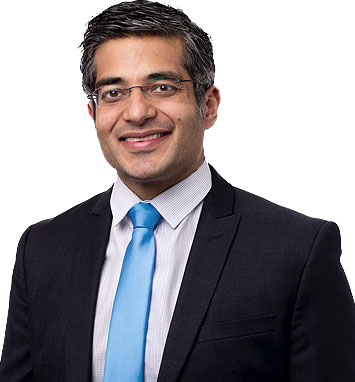
Dr. Javad Sajan focuses exclusively on cosmetic and reconstructive surgery of the face and body. His published profile indicates he has performed more than 4,000 procedures and has taught advanced techniques to other cosmetic surgeons. His research has appeared in peer-reviewed journals including JAMA Otolaryngology–Head & Neck Surgery and The Journal of Surgical Research.
For a procedure like BBL, the amount of fat needed cannot be determined from body weight alone. An individualized evaluation helps determine available donor fat, desired proportions, and an appropriate surgical plan.
Dr. Sajan’s experience with body contouring procedures enables the development of personalized treatment plans tailored to each patient’s goals.
BBL at Allure Esthetic
A BBL combines liposuction with fat transfer to reshape the body while adding volume to the buttocks. Fat may be harvested from areas such as the abdomen, flanks, back, hips, or thighs and transferred to the buttocks to create a more balanced contour.
At Allure Esthetic, Dr. Javad Sajan evaluates each patient’s body shape and available donor fat before developing a surgical plan. Patients considering a Brazilian Butt Lift in Seattle can discuss their goals, candidacy, and expected results during a consultation.
FAQs
How much fat do you need for a BBL?
There is no universal amount. The fat needed depends on the patient’s goals, available donor tissue, body proportions, and what can be safely transferred. A surgeon determines this during consultation after evaluating the individual patient.
Is a BBL a fat transfer?
Yes. A BBL is a type of autologous fat transfer that uses the patient’s own fat harvested through liposuction and transfers it to the buttocks.
How many cc of fat are transferred during a BBL?
The amount varies widely based on the patient’s anatomy and goals. Some procedures may involve several hundred cc per side, while others involve larger volumes. The surgeon determines the appropriate amount for each patient.
Can you get a BBL if you have very little body fat?
Possibly. Some lean patients have enough fat in specific areas for meaningful enhancement. Others may not have sufficient donor tissue for their desired results. A consultation helps determine candidacy.
Do you need to gain weight before a BBL?
Not necessarily. Whether weight gain makes sense depends on the individual patient. The decision should be made in consultation with the surgeon rather than following a general rule.
Does all transferred fat survive after a BBL?
No. The body naturally reabsorbs a portion of transferred fat during healing. The amount of fat that survives varies from individual to individual. Final results typically become apparent several months after surgery.
Can a BBL be done with 500cc of fat?
A BBL can be performed with various volumes depending on the patient’s goals and anatomy. Smaller volumes may create subtle enhancement. The surgeon determines what is appropriate based on the individual case.
What happens if you don’t have enough fat for a BBL?
If a patient lacks sufficient donor fat, the surgeon may discuss realistic expectations for available tissue, suggest waiting, or discuss alternative approaches that may be more appropriate.
How does a surgeon know how much fat to transfer?
The surgeon evaluates the patient’s donor areas, discusses goals, determines available fat after processing, and creates a plan that balances desired results with safety considerations.
How much fat is usually harvested for a BBL?
The amount harvested is always greater than the amount transferred because processing removes fluid and nonviable tissue. The specific volume depends on the patient’s anatomy and goals. Published ranges vary significantly between practices and patients.
Related blogs