For many transgender and nonbinary patients, the path to gender affirming surgery includes an unexpected obstacle: a number on a scale. Body mass index, or BMI, has long been used as a screening tool in plastic surgery, and a high BMI can mean a flat denial from a surgical program no matter how healthy the patient otherwise is. For someone who has already waited years to begin their transition, being told to lose a set amount of weight before a consultation will even be considered can feel like one more barrier standing between them and their own identity.
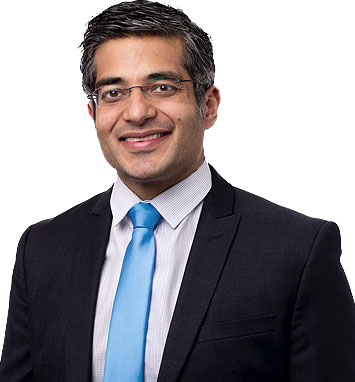
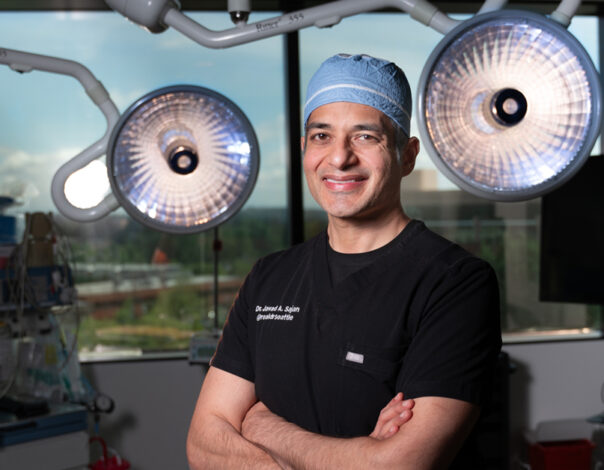
Not every surgeon approaches gender affirmation surgery this way. Dr. Javad Sajan of Allure Esthetic in Seattle is known for evaluating each transgender surgery candidate as an individual rather than screening patients out based on a single measurement. For patients researching gender affirming surgery without a weight limit, this individualized model has opened the door to care that was previously out of reach.
Why BMI Limits Exist in the First Place
BMI became a common screening tool because higher body weight is associated with certain surgical risks, including longer healing times and a higher chance of complications. On paper, a strict cutoff is simple to apply. In practice, BMI alone says very little about a specific patient’s cardiovascular health, mobility, or how their body will actually respond to anesthesia and recovery. Two patients with the same BMI can have very different surgical risk profiles.
This is part of why an increasing number of surgeons performing transgender plastic surgery have moved away from a one-size-fits-all weight limit. Instead, they look at the whole patient: medical history, current health conditions, anatomy, and personal goals.
It is worth noting that a fixed BMI cutoff is not something set by the field’s leading clinical authority. The WPATH Standards of Care, now in its eighth version, does not establish a specific BMI requirement for gender affirming surgery. Instead, it centers medical necessity, psychological readiness, and informed consent, leaving BMI policy up to individual surgical facilities. That distinction matters for patients comparing programs: a strict weight cutoff is a facility’s own policy choice, not a universal clinical standard.
Who Is a Candidate for Gender Affirming Surgery?
Every surgical plan is built around an individual consultation, but in general, candidates for gender affirming surgery at Allure Esthetic tend to share a few things in common:
- Persistent, well-documented gender dysphoria
- Capacity to provide informed consent for surgery
- Realistic expectations about results, recovery, and scarring
- Overall health that supports safe anesthesia and healing, evaluated individually rather than against a fixed BMI cutoff
- Stable management of any existing medical conditions, including nicotine use
Patients who do not check every box on a generic checklist are still encouraged to schedule a consultation. Many of the patients Dr. Sajan sees were told they were not candidates elsewhere, only to learn that a closer, more individualized evaluation told a different story.
How Dr. Sajan Evaluates Candidates?
Rather than applying a fixed gender affirming surgery BMI limit, Dr. Sajan reviews each patient’s overall health picture before recommending a procedure. Patients who were told no elsewhere because of a gender affirming surgery weight limit are often able to be considered for treatment once a full medical evaluation is complete. Patients curious about where they stand can use Allure Esthetic’s BMI calculator as a starting point for that conversation, though it is the consultation itself, not the number, that ultimately guides the surgical plan.
This approach has made Dr. Sajan a sought-after gender affirming surgeon for patients across the country looking for gender affirming surgery in Seattle who do not fit neatly within traditional surgical criteria.
A Full Range of Transgender Procedures
Allure Esthetic offers continuity of care across nearly every stage of transition, which means patients are not bounced between multiple practices for different procedures. Current offerings include:
- MTF top surgery (breast augmentation) for patients seeking a more feminine chest contour, often referred to as transgender breast augmentation
- FTM top surgery, including keyhole chest reconstruction for eligible patients
- Facial feminization surgery, covering forehead contouring, hairline feminization, jawline feminization, and transgender rhinoplasty
- Facial masculinization surgery, including brow bone reduction for a more defined, masculine brow
- Body feminization surgery and body masculinization surgery, often combined with a Brazilian Butt Lift
- Tracheal shave, including a scarless transoral technique for patients who want to minimize visible scarring
- Transgender hair transplant procedures, which can be paired with facial feminization surgery
- Voice feminization surgery for patients working toward a voice that matches their gender identity
- Revision facial feminization for patients who had surgery elsewhere and want refinement
Because Dr. Sajan performs such a wide range of transgender facial surgery and body procedures, many patients are able to combine treatments rather than spacing them out over separate surgeries and separate recovery periods.
Single Session Facial Feminization Surgery
One of the things that sets Dr. Sajan apart from other surgeons offering facial feminization surgery is his ability to combine multiple procedures into a single operation for eligible patients. Through single session facial feminization surgery, forehead contouring, rhinoplasty, jaw and chin contouring, brow bone work, a tracheal shave, hairline work, and a lip lift can often be completed together. For patients searching for the best facial feminization surgery option, the appeal is straightforward: one surgery, one recovery period, and a faster path to their goals instead of staging procedures over multiple operations and multiple downtimes.
Dr. Sajan has performed thousands of these procedures over the course of his career. Beyond the operating room, he has published peer-reviewed research, lectures on plastic and reconstructive surgery, and developed a facial simulator used in physician education, all of which reflect an ongoing commitment to advancing the field of transgender procedures.
Expanding Access to Gender Affirmation Surgery
Cost and eligibility requirements keep gender affirming surgery out of reach for many patients, even when a procedure is medically appropriate. Allure Esthetic addresses part of that gap through a pro bono surgery program for qualifying transgender patients facing financial hardship, alongside resources on insurance coverage for transgender procedures to help patients understand what their plan may cover.
As demand for gender affirmation surgery continues to grow nationwide, removing unnecessary barriers like a strict weight cutoff is becoming part of a broader shift toward patient-centered care, one that still keeps safety as the top priority during every stage of evaluation and treatment.
About Dr. Sajan
Dr. Javad Sajan is a board-certified Seattle plastic surgeon who has built his practice around transgender procedures alongside a broader cosmetic surgery caseload. He has been featured by outlets including CNN, Cosmopolitan, and USA Today, lectures nationally on plastic and reconstructive surgery, and has authored peer-reviewed research and a published book on aesthetic laser therapy. You can read more about his background on his surgeon bio page.
What to Expect: Consultation and Recovery
A first consultation with Dr. Sajan typically covers:
- A review of medical history and a physical evaluation
- An honest conversation about goals, timeline, and which procedures, if any, make sense to combine
- For facial feminization patients, whether a single session approach is appropriate
- For top surgery and body contouring patients, incision placement, scarring, and expected downtime
Recovery varies by procedure:
- Facial procedures generally involve one to two weeks of visible swelling and bruising before patients feel comfortable in public, with final results settling over several months
- Top surgery and body contouring typically require a similar initial recovery window, with activity restrictions easing gradually over four to six weeks
- Patients receive a personalized recovery timeline at their consultation rather than a generic estimate, since healing time can vary based on the specific combination of procedures performed
Ready to Talk About Your Options?
If a BMI requirement has kept you from pursuing gender affirming surgery, it may be worth a second opinion. Dr. Sajan and the team at Allure Esthetic offer individualized consultations to help you understand your options, whether that means facial feminization, top surgery, body contouring, or a combination of procedures in a single session. Contact Allure Esthetic today to schedule a consultation and find out what a personalized surgical plan could look like for you.
FAQs
Does Allure Esthetic have a BMI requirement for gender affirming surgery?
No single BMI cutoff is used to disqualify patients. Dr. Sajan evaluates each patient’s overall health, anatomy, and goals during a consultation rather than relying on one number.
What procedures fall under facial feminization surgery?
Facial feminization surgery can include forehead contouring, hairline feminization, jawline feminization, transgender rhinoplasty, brow lift, and a lip lift, depending on the patient’s goals and anatomy.
Can facial feminization surgery be done in one session?
For eligible patients, yes. Single session facial feminization surgery combines several procedures, such as forehead contouring, jaw and chin work, and a tracheal shave, into one operation and one recovery period.
Is a scarless tracheal shave available?
Allure Esthetic offers a transoral tracheal shave technique designed to reduce visible scarring compared to traditional approaches.
Does insurance cover gender affirming surgery?
Coverage varies by plan and procedure. Allure Esthetic provides information on insurance coverage for transgender procedures to help patients understand their benefits before moving forward.
Does WPATH set a BMI limit for gender affirming surgery?
No. The WPATH Standards of Care does not include a specific BMI requirement. Any BMI policy patients encounter comes from the individual surgical facility, not from WPATH itself.
Who is a good candidate for gender affirming surgery?
Good candidates generally have well-documented gender dysphoria, the capacity to give informed consent, realistic expectations, and overall health that supports safe healing. A consultation, not a checklist, determines candidacy.
Where is Allure Esthetic located?
Allure Esthetic is located in Seattle, Washington, and sees patients from the Pacific Northwest as well as out-of-town and international patients seeking gender affirming surgery.
Related blogs