Gender-affirming surgery can align your appearance with your identity and support long-term confidence and relief. The process works best with clear goals, thoughtful planning, and strong support before and after surgery. This guide explains what to expect through every phase and outlines the gender-affirming procedures we offer at Allure Esthetic.
Gender-affirming surgery can be a life-changing step, because it’s not just cosmetic. For many transgender and non-binary people, it’s about finally seeing the person you’ve always known yourself to be when you look in the mirror. It can bring relief, confidence, and a sense of alignment between your inner identity and your outward appearance.
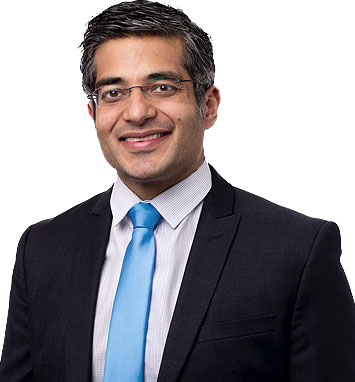
At the same time, it’s a major medical decision that deserves thoughtful planning, the right team, and the right support system. At Allure Esthetic Plastic Surgery, we understand that transgender affirming surgeries help align one’s physical appearance with their gender identity and offer a new sense of wholeness and relief. Against that backdrop, Dr. Javad Sajan brings years of experience in cosmetic and reconstructive surgery. With his expertise and guidance, below, we’ll walk you through what to expect before, during, and after gender-affirming surgery, so you feel informed, prepared, and empowered through each phase of the process.

Before Surgery: Planning the Right Path for You
1) Start with goals, not procedures
Before talking about specific surgeries, we start by learning what you want to change and what you want to keep. Some patients want a single procedure; others want a staged plan over time. Your goals may be subtle, dramatic, or somewhere in between. There’s no correct timeline. Only what feels right for your body and your life is correct.
A helpful way to think about it:
- What triggers dysphoria most day-to-day?
- What features would help you feel safer, more confident, or more at home socially?
- Do you want changes that read more feminine, more masculine, or more neutral?
That clarity helps us build a plan that’s individualized, not generic.
2) Consultation: what happens and what we evaluate
Your consultation is where we connect the dots between your goals and what’s surgically possible. We’ll review your anatomy, skin quality, prior surgeries, scar history, and overall health. We’ll also talk through recovery time, scarring, and realistic outcomes, because the best results are built on good planning, not pressure.
We also discuss staging when it matters. Some procedures pair well together; others heal better when spaced out. Your plan should fit your life, work schedule, and support system.
3) Psychological support isn’t a barrier, it’s a safety net
Many patients benefit from therapy, support groups, and/or letters of readiness depending on the procedure and insurance requirements. This isn’t about questioning identity, it’s about ensuring you’re emotionally supported, expectations are healthy, and you have tools in place for the stress and excitement that can come with major change.
4) Health prep that actually impacts healing
Small pre-op choices make a big difference post-op:
- Avoid nicotine, which can slow healing.
- Prioritize sleep, nutrition, and hydration.
- Review medications and supplements with your surgical team.
- Plan time off work and line up help for the first week.
We’ll give you clear pre-op instructions so you know exactly what to do and what to avoid, leading up to surgery.
5) Insurance and financial planning
Coverage for gender-affirming care has expanded, but the process can still be complicated. We help patients navigate insurance barriers and paperwork for gender-affirming procedures, and we work with many major carriers. If you’re self-paying, we’ll also discuss surgical fees, facility fees, and what to budget for compression garments, prescriptions, time off, travel, etc.

What to Expect From Transgender Affirming Procedure?
The night before
You’ll typically be asked to:
- Follow fasting instructions
- Shower with a specific cleanser (if provided)
- Confirm transportation and a responsible adult to be with you after surgery
- Prepare your recovery space at home (pillows, easy meals, medications, button-up shirts, etc.)
The day of surgery
When you arrive, our team will review your plan, answer last-minute questions, and make sure you feel calm and supported. You’ll meet your anesthesia team, and then the procedure begins.
Immediate post-op
After surgery, you’ll spend time in recovery while our team monitors you closely. You may feel groggy, sore, tight, or swollen, this is normal. Depending on the procedure, you may go home the same day or stay overnight. We’ll send you home with clear written instructions, prescriptions, and a follow-up schedule.
After Surgery: Recovery, Results, and Real Life
1) The first 1-2 weeks: protect your healing
Early recovery is when you set the foundation for your final results. Your main job is to rest, follow instructions, and avoid overdoing it, especially if you start feeling “better” quickly.
Typical priorities include:
- Wound care and incision care
- Compression garments when recommended
- Keeping swelling down and staying hydrated
- Avoiding heavy lifting, intense exercise, and any strain
We’ll tell you what’s normal, what’s not, and when to contact us immediately.
2) Scar care and long-term aesthetics
Scars are part of surgery, but they can often be minimized with good technique and consistent aftercare. Once you’re cleared, scar support may include silicone, massage, and other options depending on your skin and healing pattern.
3) Emotional recovery matters, too
Even when surgery is something you’ve wanted for years, the recovery phase can bring a mix of emotions: relief, excitement, impatience, vulnerability, or anxiety. That’s normal. Support groups, therapy, and community can be powerful during this time, especially while swelling is still present and results are still settling.
4) Final results take time
Most procedures look improved early on, but final results can take months due to swelling, tissue settling, and scar maturation. Progress isn’t always linear, some weeks look better than others. We’ll guide you through that timeline so you don’t feel like you’re guessing.
5) Returning to work, exercise, and normal routines
Your return-to-life timeline depends on the procedure(s) and your healing. In general:
- Light walking starts early
- Many patients return to desk work in a couple of weeks (varies widely)
- Strenuous exercise typically waits until you’re cleared
We’ll tailor restrictions to your exact surgery plan and your body’s pace of healing.
Transgender Affirming Surgeries We Offer at Allure Esthetic Plastic Surgery
Below are some of the most requested gender-affirming procedures we perform in Seattle. Each plan is customized, and procedures can be staged or combined depending on safety and goals.
FTM Top Surgery
In FTM Top Surgery, we create a more masculine chest by removing breast tissue and reshaping the contour for a flatter, more traditionally masculine appearance. This may include adjunct liposuction for refined definition. Incision placement and nipple-areola positioning are planned around anatomy and scar preferences.
MTF Breast Augmentation
We use breast implants to create a fuller, more feminine chest shape in MTF breast augmentation. Implant size and profile are selected based on your body frame, tissue characteristics, and desired silhouette. Our goal is natural proportion, soft contour, and confidence in clothing and everyday life.
Facial Feminization Surgery
FFS is a customized set of procedures that can soften traditionally masculine facial traits. Depending on your needs, this may involve the hairline, brow, nose, chin, jaw, or cheeks to create a more feminine facial balance while still looking like you.
Single-Session Facial Feminization Surgery
When appropriate, we can perform multiple feminizing facial procedures in one surgical session. This approach can reduce the number of separate recoveries and consolidate your transformation into a single phase. Not every patient is a candidate, so safety and surgical complexity guide the plan.
Facial Masculinization Surgery
For transmasculine patients, we can enhance stronger angles and structure, such as the jaw, chin, brow, and other features. In facial masculinization surgery, the goal is a more masculine facial appearance that still looks natural and proportional, not overdone.
Transgender Rhinoplasty
Transgender rhinoplasty reshapes the nose to better match your gender expression, more refined and delicate for feminization, or stronger and straighter for masculinization. We focus on harmony with your other features so the result blends seamlessly with your face.
Tracheal Shave (Chondrolaryngoplasty)
A tracheal shave reduces the prominence of the Adam’s apple for a smoother neckline. This procedure is commonly part of a transfeminine surgical plan and can make a meaningful difference in profile and self-confidence.
Body Contouring (Feminizing or Masculinizing)
Body contouring uses techniques like liposuction and fat shaping to shift overall proportions. Transfeminine contouring may aim for softer curves and an hourglass profile, while transmasculine contouring can reduce traditionally feminine fullness and create sharper lines.
Body Feminization
Body feminization focuses on sculpting areas that influence feminine proportions, often the waist, abdomen, hips, and flanks. The plan is built around your natural frame so results look balanced, smooth, and proportional from every angle.
Body Masculinization
Body masculinization can reduce hip and thigh fullness and reshape contours toward a more traditionally masculine silhouette. It’s commonly chosen by patients who want their body shape to align more closely with their identity even when clothing is off.
Brazilian Butt Lift (BBL) for Feminization
For some transfeminine patients, a rounder, more projected buttock shape is a key part of body alignment. A BBL uses your own fat to enhance shape and contour while also refining donor areas through liposuction.
Hairline Feminization
Hairline feminization reshapes the hairline to look softer and more traditionally feminine. It’s often included within facial feminization planning and can significantly change facial framing, especially in photos, video calls, and everyday interaction.
Dr. Sajan’s Expertise and Emotional Commitment to Transgender Affirming Surgery
Choosing a surgeon for gender-affirming care isn’t only about technique. You deserve someone who understands the emotional weight of transition and treats you with real respect through every step.
Dr. Javad Sajan is known for combining technical precision with compassion, supporting patients not only through the surgical plan, but through the human journey behind it. Our transgender program is built on the belief that you should feel safe, heard, and fully informed, before, during, and after surgery.
Beyond his clinical work, Dr. Sajan has a long-standing commitment to advancing surgical education and patient care. His background includes extensive publishing and lecturing, clinical research, and contributions to surgical training tools used internationally. And at the center of it all is something simple: we don’t treat you like a case. We treat you like a person, because your goals are personal.
Ready to Talk? Let’s Build a Plan That Fits You
If you’re considering transgender affirming surgery, we’re here to help you take the next step with clarity and confidence. During a private consultation, we’ll listen to your goals, answer your questions, and create a personalized plan that respects your identity, your timeline, and your comfort.
To explore your treatment options at Allure Esthetic, visit our website, speak directly with our team at (206) 209-0988, or use the contact form to get an instant quote.
Related blogs