GLP-1 medications like Ozempic, Wegovy, and Mounjaro have helped thousands of Seattle residents achieve significant, life-changing weight loss. Many patients are losing 15 to 25 percent of their total body weight, results that once required bariatric surgery.
But here is something nobody warned them about: the scale can reach your goal number while your body still doesn’t look or feel the way you imagined.
After rapid weight loss, many patients are left with stubborn pockets of fat that won’t respond to continued diet or exercise, along with skin that has lost its elasticity and no longer conforms to your new shape. These are not failures of the medication. They are predictable outcomes of rapid fat reduction that simply outpaces the skin’s ability to contract.
That is where liposuction in Seattle comes in, not as a weight loss tool, but as the final step in your body transformation.
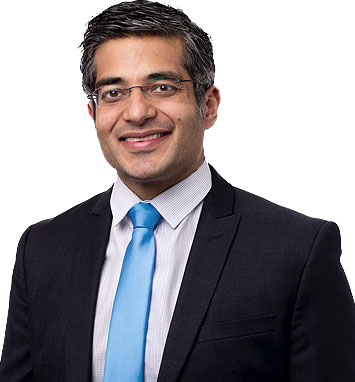
In this guide, Dr. Javad Sajan of Allure Esthetic Plastic Surgery in Seattle explains everything you need to know about liposuction after Ozempic and GLP-1 weight loss: who is a good candidate, how to time your surgery, what results look like, and how it compares to other procedures.
Why GLP-1 Weight Loss Leaves Fat and Loose Skin Behind
GLP-1 medications work by suppressing appetite and slowing gastric emptying, which leads to a significant caloric deficit over time. Clinical studies show patients typically lose 7 to 12 percent of total body weight on semaglutide, and up to 20 to 25 percent with tirzepatide over a year of treatment.
This speed is both the miracle and a complication. When fat disappears rapidly, two things happen that surgery can later address:
- Stubborn fat pockets remain in certain areas regardless of total weight lost. GLP-1 medications reduce overall body fat but cannot control where it comes off. Common leftovers include the lower abdomen, flanks, inner thighs, arms, and back — areas where fat is genetically resistant.
- Skin loses elasticity and cannot shrink fast enough. Collagen and elastin fibers need time to adapt. Rapid fat reduction leaves the skin stretched and sagging in areas like the abdomen, upper arms, inner thighs, and under the chin — what some patients call the “Ozempic pouch” in the lower belly.
Weight loss and body contouring are two entirely different things. GLP-1 medications are outstanding at the first. Liposuction addresses the second.
| In 2024-2025, liposuction procedures increased 7% year over year nationally, driven largely by the surge in post-GLP-1 patients seeking body contouring to complete their transformation. (ASPS data) |
Are You a Good Candidate for Liposuction After Weight Loss?
Not every patient who has lost weight on Ozempic is immediately ready for liposuction. Dr. Sajan evaluates several factors during your consultation at Allure Esthetic to determine whether you are an ideal candidate right now, or whether you need to wait a little longer.
You are likely a good candidate if:
- Your weight has been stable for at least 3 to 6 months. This is the single most important factor. Operating on a body that is still losing weight produces unpredictable results. Stability is non-negotiable.
- You are at or close to your goal weight. Liposuction is not a weight loss procedure — it removes localized fat deposits. If you still have a significant amount of weight to lose, surgery should wait.
- You have localized fat pockets that have not responded to your continued healthy lifestyle. Flanks, lower abdomen, inner thighs, arms, and back are the most common areas post-GLP-1.
- Your skin has reasonable elasticity in the target area. Good skin tone means liposuction can produce a smooth, natural result without requiring additional skin removal.
- You are a non-smoker in good overall health with realistic expectations.
You may need a different procedure if:
- You have significant loose, hanging skin — especially in the abdomen. In this case, a tummy tuck is likely a better fit than liposuction alone. Liposuction removes fat but does not tighten or remove excess skin.
- You have separated abdominal muscles (diastasis recti) from pregnancy or significant weight gain. Again, a tummy tuck with muscle repair is the appropriate procedure.
- You are still actively losing weight on GLP-1 medications. Surgery should be deferred until weight has stabilized.
Liposuction vs. Tummy Tuck After Weight Loss: Which Do You Need?
This is the most common question we hear from post-GLP-1 patients in Seattle. Here is a clear breakdown:
| Your concern | Best procedure | Why |
| Stubborn localized fat, good skin tone | Liposuction | Removes fat, no skin removal needed |
| Loose or hanging abdominal skin | Tummy tuck | Removes and tightens excess skin |
| Separated abdominal muscles (diastasis) | Tummy tuck | Only tummy tuck repairs muscle wall |
| Both fat and moderate skin laxity | Liposuction + tummy tuck | Combined approach for complete result |
| Post-pregnancy body changes | Mommy makeover | Addresses breasts and abdomen together |
The important thing to understand is that liposuction and tummy tuck Seattle are not competitors — they address different problems. Many post-GLP-1 patients benefit from a combination. During your consultation, Dr. Sajan will assess your skin elasticity, fat distribution, and goals to determine exactly what you need.
The 5 Most Common Areas Treated with Liposuction After GLP-1 Weight Loss
While every patient is unique, these are the areas where stubborn fat most consistently remains after Ozempic or Wegovy weight loss:
1. Lower abdomen (the “Ozempic pouch”)
The lower belly is the most common concern. Even after significant overall fat loss, many patients find a persistent pocket of fat below the navel that refuses to shrink. This area is genetically stubborn and often the last to go — if it goes at all through medication alone.
2. Flanks and love handles
Fat on the sides of the waist is hormonally driven and notoriously resistant to GLP-1 reduction. Liposuction of the flanks — sometimes called Lipo 360 when combined with the abdomen — produces a dramatically improved waist-to-hip ratio.
3. Inner and outer thighs
Thigh fat often persists even after patients reach their goal weight. Liposuction of the inner thighs reduces friction and improves the gap between the legs. Outer thigh contouring reduces the saddlebag appearance.
4. Upper arms
Rapid weight loss can leave the upper arms looking deflated with loose skin and residual fat. Liposuction works well for patients with good skin tone. Patients with significant skin laxity may need a brachioplasty (arm lift) to fully address the issue.
5. Back and bra rolls
Back fat — including the bra line area and lower back — is commonly undertreated and often persists after GLP-1 weight loss. Patients are frequently surprised by how dramatically back liposuction improves their overall silhouette and the way clothing fits.
When Should You Have Liposuction After Stopping Ozempic?
Timing is critical for post-GLP-1 liposuction. Operating too early — before weight has stabilized — risks outcomes that change as you continue to lose or fluctuate in weight. Here are the guidelines Dr. Sajan follows at Allure Esthetic:
- Minimum weight stability: 3 months at the same weight before surgery. 6 months is ideal for patients who have lost more than 30 pounds.
- GLP-1 medication and anesthesia: Inform your surgical and anesthesia team about all GLP-1 medications. Semaglutide slows gastric emptying, which affects anesthesia protocols. Updated 2024 guidelines from the American Society of Anesthesiologists indicate that most patients do not need to stop the medication entirely, but individual assessment is required. Dr. Sajan coordinates with your prescribing physician.
- Nutrition and healing: GLP-1 medications reduce appetite significantly. Before surgery, ensure you are consuming adequate protein (at least 80 to 100 grams per day) to support wound healing. Dr. Sajan will review your nutrition during your pre-op appointments.
- Weight maintenance after surgery: Results from liposuction are long-lasting but not immune to weight gain. Patients who continue healthy lifestyle habits — including possibly continuing GLP-1 therapy at a maintenance dose — maintain their results most effectively.
What to Expect: Liposuction Recovery Timeline
Recovery after liposuction following GLP-1 weight loss is similar to standard liposuction recovery, though Dr. Sajan may adjust protocols based on your nutritional status and medication history.
Days 1–3
You will feel sore, swollen, and bruised in the treated areas. A compression garment is worn 24 hours a day. Most patients manage discomfort comfortably with prescribed medication. Rest is essential — plan to take 2 to 3 days completely off.
Week 1–2
Swelling will be noticeable and the treated areas may look larger than expected — this is completely normal. You can return to a desk job within 5 to 7 days for most patients. The compression garment continues. No exercise or strenuous activity.
Week 3–4
Swelling begins to visibly reduce. Most patients feel 70 to 80 percent of their final result emerging. Light walking and gentle movement are encouraged. Compression garment transitions to daytime only.
Month 2–3
The majority of swelling resolves. Final contours become visible. Light exercise resumes around week 6, full exercise around week 8 with Dr. Sajan’s clearance.
Month 3–6
Final results are visible. Skin continues tightening for up to 6 months as internal healing completes. Scar care for incision sites begins around week 3 and continues for several months.
Why Choose Dr. Sajan at Allure Esthetic for Post-Weight Loss Liposuction in Seattle
Dr. Javad Sajan is a board-certified plastic surgeon at Allure Esthetic Plastic Surgery in Seattle, with extensive experience in body contouring for patients at every stage of their weight loss journey. His approach to post-GLP-1 liposuction is individualized — never a one-size-fits-all procedure.
- Customized treatment planning based on your specific fat distribution and skin quality after GLP-1 weight loss
- Coordination with your GLP-1 prescribing physician for safe perioperative medication management
- Advanced liposuction techniques for smooth, natural-looking results
- Drainless options and comprehensive scar care protocols
- Before and after galleries of real Seattle patients available at allureesthetic.com
- Price Simulator tool at allureesthetic.com/body/liposuction/ for a preliminary cost estimate before your consultation
Allure Esthetic serves patients from Seattle, Lynnwood, Bellevue, Kirkland, Redmond, and the greater Puget Sound area.
Ready to Complete Your Transformation?
You did the hard work of losing weight. Liposuction is the final step that delivers the proportioned, contoured result the medication alone could not fully give you.
Dr. Javad Sajan and the team at Allure Esthetic Plastic Surgery in Seattle are ready to help you cross the finish line. Call Us on 206-209-0988 to book your consultation or visit our Seattle or Lynnwood location.
FAQs
How long after stopping Ozempic can I get liposuction?
Most surgeons, including Dr. Sajan, recommend waiting until your weight has been stable for at least 3 to 6 months — regardless of whether you continue or stop the medication. Stability of weight matters more than whether you are actively taking GLP-1 medications.
Do I need to stop taking Ozempic before liposuction?
Updated 2024 guidelines from the American Society of Anesthesiologists indicate that a blanket stop-before-surgery rule is no longer necessary for most patients. Your anesthesiologist will make an individualized recommendation based on your dose, health history, and planned procedure. Always disclose all medications to your surgical team.
Will I need a tummy tuck instead of liposuction?
If you have significant loose, sagging skin on your abdomen — especially a skin apron that hangs over your waistline — a tummy tuck is likely the more appropriate procedure. Liposuction removes fat but cannot tighten or remove excess skin. Dr. Sajan will assess this during your consultation.
How much does liposuction cost in Seattle after weight loss?
The cost of liposuction in Seattle depends on the number of areas treated, the volume of fat removed, anesthesia, and the surgical facility. Most patients treating multiple areas invest between $6,000 and $12,000 total. Use the Price Simulator at allureesthetic.com for a preliminary estimate, or contact Allure Esthetic to schedule a consultation and receive a personalized quote.
Can I combine liposuction with other procedures after weight loss?
Yes. Many post-GLP-1 patients combine liposuction with a tummy tuck, breast augmentation, or fat transfer to the face in a single surgical session. Combining procedures reduces overall recovery time and cost. Dr. Sajan will assess what is safe to combine based on your health and the planned operative time.
Will my liposuction results last if I stay on GLP-1 medications?
Yes. Fat cells removed by liposuction do not return. However, remaining fat cells throughout the body can still respond to weight changes. Patients who maintain a stable weight — whether through continued GLP-1 therapy or lifestyle habits — preserve the best long-term results.
Is liposuction safe after significant weight loss from Ozempic?
For well-selected candidates who have achieved weight stability and are in good overall health, liposuction after GLP-1 weight loss is safe and effective. A 2025 peer-reviewed study confirmed that GLP-1 patients who meet candidacy criteria achieve excellent body contouring outcomes comparable to traditional liposuction patients.
What is “Ozempic face” and can it be treated at the same time as liposuction?
Ozempic face refers to facial volume loss — hollowed cheeks, deeper lines, and under-eye hollowing — that results from rapid overall fat reduction. It is treatable with fat transfer using fat harvested during your liposuction procedure. Many patients address both body contouring and facial volume restoration in a single session.
How is liposuction after GLP-1 weight loss different from standard liposuction?
The surgical technique is largely the same. The key differences are in the pre-operative assessment — evaluating skin elasticity after rapid weight loss, nutritional status, and medication management — and in setting realistic expectations about the role liposuction plays alongside potential skin removal procedures.
How do I get started?
The first step is a consultation with Dr. Sajan at Allure Esthetic in Seattle. During your appointment, Dr. Sajan will evaluate your areas of concern, assess your skin quality, review your GLP-1 medication history, and create a personalized surgical plan. You can also use the Price Simulator to get a preliminary cost estimate before your visit.
Related blogs