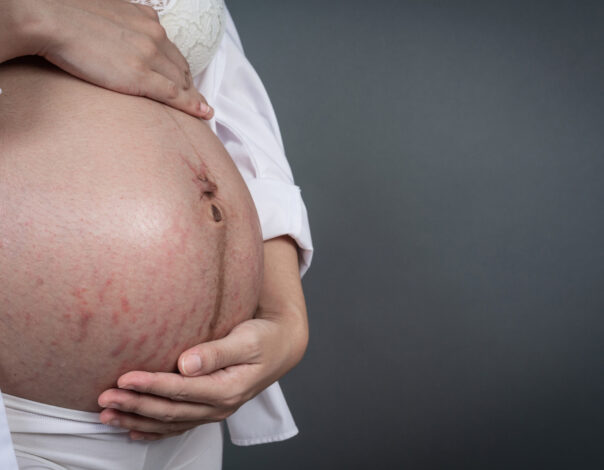
Pregnancy brings many exciting changes, but it also places significant demands on the skin. One of the most common concerns expectant mothers have is the development of pregnancy stretch marks. In fact, studies suggest that approximately 50% to 90% of pregnant women develop stretch marks during pregnancy, particularly during the second and third trimesters.
Stretch marks are a type of scar that forms when the skin stretches faster than its collagen and elastin fibers can adapt. They most commonly appear on the abdomen, breasts, hips, thighs, and buttocks. While many women wonder how to prevent stretch marks during pregnancy, the reality is that complete prevention is not always possible.
Genetics, hormonal changes, skin type, and pregnancy-related weight gain all play a role. However, there are practical steps that may help reduce the risk and severity of stretch marks while supporting overall skin health.
This blog explains what causes stretch marks, what prevention methods are supported by experts, and what treatment options are available after pregnancy for women seeking additional improvement.
Quick Answer
While there is no guaranteed way to prevent stretch marks during pregnancy, keeping your skin well-moisturized, staying hydrated, eating a nutrient-rich diet, gaining weight gradually, and following a healthy pregnancy skin care routine may help reduce the risk and severity. Because genetics and pregnancy hormones play a major role, many women develop stretch marks despite taking preventive steps. If stretch marks remain after pregnancy, treatments such as microneedling, laser therapy, or, in some cases, a tummy tuck or mommy makeover after pregnancy may help improve their appearance, depending on your individual concerns.
What Causes Stretch Marks During Pregnancy?
Understanding why stretch marks form makes it easier to take the right preventive steps. There are several factors that come together during pregnancy to make the skin more vulnerable.
Rapid Skin Expansion
As the baby grows, abdominal skin stretches significantly within a relatively short window. The skin has a limited capacity to expand without tearing at the collagen and elastin fibers in the dermis. When that capacity is exceeded, stretch marks form. The belly is the most commonly affected area, though breasts, hips, and thighs are frequently involved as well.
Hormonal Changes
Pregnancy hormones, particularly glucocorticoids and relaxin, interfere with collagen and elastin production. Collagen gives skin its structural strength, while elastin allows it to snap back after stretching. When hormone levels alter these proteins, the skin becomes less resilient and more prone to tearing under tension.
Genetics
Family history is one of the strongest predictors of stretch mark development. Women whose mothers or sisters developed stretch marks during pregnancy are significantly more likely to develop them as well. Skin type, natural collagen density, and skin elasticity are largely inherited traits.
Weight Gain During Pregnancy
Rapid or excessive weight gain places additional stress on the skin. ACOG Committee Opinion No. 548 on Weight Gain During Pregnancy recommends individualized weight gain targets based on pre-pregnancy BMI. Staying within those guidelines reduces the burden on skin.
Multiple Pregnancies
Women who have been pregnant before often notice more pronounced stretch marks with subsequent pregnancies, partly because previously stretched skin has reduced elasticity and takes longer to recover between pregnancies.
Carrying a Larger Baby
Carrying multiples or a larger-than-average baby elevates abdominal distension. The more the skin must expand in a compressed timeline, the higher the likelihood of stretch mark formation.
Can Stretch Marks Be Completely Prevented?
The direct answer is not always. No cream, oil, or supplement has been medically proven to help prevent or avoid stretch marks during pregnancy. Skin elasticity and collagen structure are determined genetically, and no topical product can fully override those biological factors.
What prevention strategies can do is reduce risk and limit severity. Women with strong hereditary tendencies may still develop stretch marks even when following every recommended habit consistently. Determining realistic expectations is important. The goal of pregnancy skin care is to support skin health, not to guarantee a specific cosmetic outcome.
Dermatologists and obstetricians generally agree that hydration, nutrition, controlled weight gain, and consistent moisturizing are the most evidence-supported steps available for minimizing stretch mark risk during pregnancy.
12 Ways to Prevent Stretch Marks During Pregnancy
These strategies work best when started early in pregnancy, before stretch marks appear. Many of them also encourage overall skin health and pregnancy wellness.
1. Stay Hydrated Every Day
Well-hydrated skin maintains better elasticity and is more resilient during the rapid expansion of pregnancy. Drinking adequate water daily keeps skin cells plump and supports the dermis in stretching without tearing. Most practitioners recommend eight to ten cups of water per day during pregnancy, though individual needs vary.
2. Follow a Nutrient-Rich Pregnancy Diet
Skin health is built from the inside. Several nutrients play a direct role in collagen production and skin repair during pregnancy.
- Vitamin C supports collagen synthesis and is found in citrus fruits, bell peppers, and broccoli.
- Vitamin E protects skin cell membranes and is present in nuts, seeds, and leafy greens.
- Zinc supports tissue repair and immune function; good sources include beans, pumpkin seeds, and whole grains.
- Protein provides the amino acid building blocks that collagen requires; lean meats, eggs, dairy, and legumes are reliable sources.
- Silica, found in oats and whole grains, additionally contributes to connective tissue strength.
3. Gain Weight Gradually
Sudden spikes in weight put the most stress on the skin. Gradual, steady weight gain within ACOG-recommended ranges gives the skin more time to adapt. Working with an OB-GYN to monitor weight gain throughout pregnancy is the most reliable way to stay within healthy parameters.
4. Moisturize the Skin Consistently
Daily moisturizing reduces skin dryness, improves surface elasticity, and may reduce itching as the belly expands. The most important areas to moisturize include the abdomen, breasts, hips, buttocks, and thighs. Applying moisturizer to damp skin directly after showering or bathing improves absorption and effectiveness.
5. Use Pregnancy-Safe Oils and Creams
Several topical ingredients are commonly used during pregnancy for stretch mark prevention. While no ingredient can guarantee prevention, the following are generally recognized as pregnancy-safe and may support skin conditions.
- Shea butter is an emollient that deeply moisturizes and soothes dry skin without irritation.
- Cocoa butter has long been a popular pregnancy moisturizer; while it does not prevent stretch marks in clinical studies, it keeps skin soft and supple.
- Hyaluronic acid draws moisture into the skin and improves hydration at the dermal level.
- Centella asiatica extract has shown some collagen-stimulating activity in preliminary research.
Any topical product applied during pregnancy should be reviewed with an OB-GYN first, particularly formulas containing essential oils or active ingredients.
6. Massage the Skin Gently
Gentle circular massage during moisturizing application may improve blood circulation to the skin and promote better absorption of topical products. It also provides an opportunity to look for early stretch mark formation and adjust the skin care routine accordingly.
7. Stay Active with Pregnancy-Safe Exercise
Light exercise approved by a healthcare provider supports managing weight gain and promotes healthy circulation. Walking, swimming, and prenatal yoga are commonly recommended during pregnancy. Staying active also supports muscle tone, which can reduce the degree of physical strain on abdominal skin.
8. Avoid Smoking
Smoking reduces blood flow to the skin and depletes it of key antioxidants, including vitamins C and E. This accelerates collagen degradation and reduces skin elasticity. Pregnant women who smoke also face significantly higher pregnancy health risks beyond skin changes.
9. Get Enough Vitamin C
Vitamin C is essential for collagen synthesis. Since the body cannot store it, consistent daily intake is necessary. Meeting the recommended dietary allowance of 85 mg per day during pregnancy through food or supplements supports skin structure at the most fundamental level.
10. Support Collagen Production Naturally
Bone broth, collagen peptide supplements (when approved by a provider), and foods rich in glycine and proline, such as chicken, fish, and eggs, all support the body’s natural collagen production. Strong collagen networks in the dermis make skin more resistant to tearing during rapid expansion.
11. Reduce Excessive Skin Dryness
Dry skin is more fragile and prone to tearing. Avoiding long hot showers, using a humidifier in dry climates, and using gentle, soap-free cleansers all help preserve the skin’s moisture barrier. If itching becomes intense, this may signal significant skin stretching and warrants more aggressive moisturizing.
12. Start Prevention Early
The first trimester is the ideal time to establish a moisturizing and hydration routine. Stretch marks most commonly emerge in the second and third trimesters as abdominal growth accelerates. Starting early means skin has been consistently supported with moisture and nutrients before the period of greatest stress begins.
How Do Celebrities Avoid Stretch Marks During Pregnancy?
High-profile celebrities during their pregnancies often have access to personal trainers, registered dietitians, and use high cost medical-grade skincare products. These resources make it easier to maintain gradual weight gain, keep up with daily hydration and moisturizing routines, eat nutrient-dense diets consistently, and use high-quality topical formulas with active ingredients.
The discipline required to maintain these habits is supported by professional guidance that most women do not have access to on a daily basis.
The Truth Behind Celebrity Pregnancy Skin
Several important facts are often left out of the celebrity pregnancy narrative.
- First, genetics still play a dominant role. Celebrities with favorable skin genetics will have lower stretch mark risk regardless of their routines.
- Second, not all celebrities avoid stretch marks. Many public figures have spoken candidly about developing them. Third, professional treatments, including laser therapy, microneedling, and medical-grade topicals, may be accessed by celebrities postpartum to reduce the appearance of marks that did develop.
- Finally, postpartum retouching in media appearances can create a misleading impression of what skin actually looks like after pregnancy.
Common Myths About Pregnancy Stretch Marks
Cocoa Butter Prevents All Stretch Marks
Cocoa butter is an effective moisturizer and may reduce skin dryness and itching. However, multiple clinical studies, including a widely cited randomized controlled trial, found no statistically significant difference in stretch mark development between women who used cocoa butter and those who used a placebo. It supports skin condition but does not prevent stretch marks.
Expensive Creams Guarantee Results
Price is not a reliable indicator of efficacy for stretch mark prevention products. No cream available over the counter can infiltrate deep enough into the dermis to rebuild collagen before it tears. Consistent use of any well-formulated moisturizer matters more than the cost of the product.
Only Overweight Women Get Stretch Marks
Women of all body types develop stretch marks during pregnancy. Skin elasticity and genetic predisposition are the main risk factors. Thin women with low skin elasticity may develop more pronounced marks than heavier women with higher skin elasticity.
Stretch Marks Mean Poor Skin Care
Stretch marks are a physiologic response to rapid skin expansion. They are not a reflection of negligence or inadequate skin care. Many women with exacting routines still develop them due to genetics and hormonal causes. This is a normal part of pregnancy for a substantial majority of women.
What to Do If Stretch Marks Already Appear During Pregnancy?
If stretch marks develop during pregnancy, keeping the skin hydrated and nourished should be the first priority. Continuing to moisturize consistently can prevent additional marks and reduce the severity of existing ones.
It is also recommended to avoid harsh treatments during pregnancy. Retinoids and retinol-based products are widely considered unsafe during pregnancy and should not be applied to the skin. Many chemical peels, high-concentration acids, and dermatological procedures are also not recommended during this period.
If stretch marks are accompanied by severe itching, a dermatologist should be consulted. Certain pregnancy skin conditions, such as pruritic urticarial papules and plaques of pregnancy (PUPPP), can present alongside stretch marks and need medical evaluation.
There are multiple cosmetics and medical treatments available in the market to help with stretch marks.
How to Reduce Stretch Marks After Pregnancy?
Once pregnancy is complete and breastfeeding has ended, several clinical treatment options are able to significantly improve the appearance of stretch marks. These options address the dermal scarring that topical products cannot reach.
Microneedling
Microneedling creates controlled micro-injuries in the skin using fine needles, which triggers the body’s collagen and elastin production. Multiple sessions can improve the texture and color of stretch marks by encouraging new skin remodeling in the affected area.
Laser Treatments
Pulsed dye lasers and fractional laser resurfacing are among the most effective non-surgical options for stretch mark reduction. Pulsed dye lasers target red or purple stretch marks, while fractional lasers resurface the skin and stimulate collagen in older, silver or white marks.
Radiofrequency Treatments
Radiofrequency devices deliver energy into the dermis to stimulate collagen remodeling. When combined with microneedling, radiofrequency can produce meaningful improvement in skin texture and elasticity in areas with stretch marks.
Medical-Grade Skin Treatments
Chemical peels, platelet-rich plasma (PRP) therapy, and prescription-strength topicals applied under medical supervision can further improve stretch mark appearance. These treatments require a consultation with a qualified provider to determine which options are appropriate based on skin type and mark severity.
Topical Retinoids (Post-Pregnancy Only)
Tretinoin and other prescription retinoids have demonstrated success in improving the appearance of early stretch marks by stimulating collagen production in the dermis. These are strictly post-pregnancy and post-breastfeeding options and should only be used under the guidance of a dermatologist or physician.
When Stretch Marks Are Combined with Loose Skin After Pregnancy?
Many women find that stretch marks are not an isolated concern after pregnancy. The postpartum abdomen frequently presents with a combination of concerns that topical treatments cannot fully address.
- Stretch marks on the belly and surrounding areas.
- Loose, sagging abdominal skin that does not rebound after weight loss.
- Diastasis recti, the separation of the abdominal muscles that occurs as the uterus expands during pregnancy.
These conditions can occur together and may persist even in women who return to or below their pre-pregnancy weight. Diet, exercise, and topical treatments alone cannot tighten separated muscles or remove excess skin. For women who experience these combined changes, surgical body contouring options may provide more significant and lasting results.
Can a Tummy Tuck Remove Pregnancy Stretch Marks?
A tummy tuck, or abdominoplasty, addresses multiple post-pregnancy abdominal concerns through a single surgical procedure.
A tummy tuck can address loose skin, abdominal muscle separation and may reduce the appearance of some stretch marks located on the skin removed during surgery.
During a tummy tuck surgery performed at Allure Esthetic, Dr. Sajan makes sure that the excess skin and fat from the lower abdomen is removed, and the abdominal muscles are tightened. Stretch marks located on the lower abdominal skin are removed along with that tissue. Marks located higher on the abdomen may shift downward during skin repositioning, but cannot be fully removed through surgery alone.
Who is the Best Candidate for Tummy Tuck?
Tummy tuck candidates at Allure Esthetic are those who ar:
- At or near their ideal body weight
- Who are in good general health
- Have completed their family, and are
- Who are looking for a more contoured, flatter abdominal profile.
Women who plan future pregnancies are generally advised to postpone the procedure.
How a Mommy Makeover Helps Restore Your Pre-Pregnancy Figure?
Women who have multiple body contouring concerns such as sagging breasts and loose abdomen can get a mommy makeover. This covers their overall body contouring concerns helping them achieve their figure that they looked like before.
A Mommy Makeover usually combines multiple procedures customized to each patient’s particular concerns, addressing the full scope of post-pregnancy body changes in a single surgical plan. Dr. Sajan at Allure Esthetic customizes each Mommy Makeover based on the individual’s anatomy and goals.
Mommy Makeover May Include
- Tummy tuck to remove loose abdominal skin and tighten separated muscles.
- Breast augmentation or breast lift to restore volume and position after breastfeeding-related changes.
- Liposuction to reduce localized fat deposits that remain despite diet and exercise.
- Body contouring to improve the overall silhouette.
Ideal Mommy Makeover candidates at Allure Esthetic are women who are in good general health, have finished having children, are at or near their goal weight, and have realistic expectations for what surgery can achieve. A customized consultation with Dr. Sajan determines which combination of procedures is most appropriate.
Expert Insight from Dr. Javad Sajan
Dr. Javad Sajan is a triple board-certified cosmetic surgeon and the founder of Allure Esthetic in Seattle, Washington. With more than a decade of surgical experience and thousands of cosmetic procedures performed, he specializes in body contouring surgeries. His patients include a significant number of women looking for post-pregnancy body restoration, and his practice offers the full range of surgical and non-surgical options relevant to postpartum body changes.
“Pregnancy changes every woman’s body differently. While healthy habits can support skin health, some changes such as loose skin and muscle separation may require advanced treatment options to restore abdominal contours,” says Dr. Javad Sajan, Allure Esthetic
Conclusion
Preventing stretch marks during pregnancy requires a multi-pronged approach: keeping hydrated, eating a collagen-supporting diet, controlling weight gain gradually, and moisturizing consistently from early in the first trimester. Genetics has an important role, and no strategy guarantees a stretch-mark-free pregnancy. Establishing realistic expectations and focusing on overall skin health is the most practical and evidence-aligned approach.
For women who develop stretch marks that persist postpartum, clinical options, including microneedling, laser treatment, and prescription topicals, can improve their appearance. For those dealing with the combined effects of stretch marks, loose skin, and abdominal muscle separation, surgical body contouring offers the most comprehensive solution.
To learn more about tummy tuck surgery, Mommy Makeover procedures, or post-pregnancy body contouring options at Allure Esthetic, contact us at (206) 209-0988.
FAQs
How can I prevent stretch marks during pregnancy naturally?
The most effective natural approaches include consistent daily moisturizing with shea butter or hyaluronic acid products, drinking adequate water throughout the day, eating a diet rich in vitamin C, vitamin E, zinc, and protein, and gaining weight gradually within provider-recommended ranges. Starting these habits in the first trimester maximizes their benefit.
How do I prevent stretch marks during pregnancy if they run in my family?
Genetic predisposition makes complete prevention less likely, but consistent moisturizing, controlled weight gain, and strong nutritional support can still reduce severity. Speaking with a dermatologist early in pregnancy may also provide access to professional guidance and product recommendations customized to high-risk skin.
When do pregnancy stretch marks usually appear?
Stretch marks most commonly develop during the second and third trimesters, when fetal growth is most rapid and abdominal expansion is most pronounced. Some women notice them as early as the end of the first trimester, while others develop them only in the final weeks of pregnancy.
Do stretch mark creams really work?
No over-the-counter cream has been shown in clinical trials to completely prevent stretch marks. However, products that contain hyaluronic acid, centella asiatica extract, and vitamin E may support skin hydration and condition in ways that reduce severity. The consistency of application matters as much as the product selected.
How do celebrities avoid stretch marks during pregnancy?
Celebrities with favorable genetics, access to personal trainers, dietitians, and premium skin treatment plans are more likely to manage risk factors. However, not all celebrities avoid stretch marks, and postpartum professional treatments may address marks that did develop. Genetics remains the dominant factor regardless of resources available.
Can stretch marks disappear after pregnancy?
Stretch marks rarely disappear completely on their own. Over time, they typically fade from red or purple to lighter, silvery tones and become less noticeable. Clinical treatments such as laser therapy and microneedling can accelerate and boost this improvement, but full elimination without surgical removal is generally not achievable through topical methods alone.
Can a tummy tuck remove stretch marks?
A tummy tuck can remove stretch marks located on the lower abdominal skin that is excised during surgery. Marks on the upper abdomen may shift downward during skin repositioning but are not fully eliminated. The extent of stretch mark removal depends on their location and the amount of skin removed. A consultation with Dr. Sajan at Allure Esthetic can clarify what is achievable based on individual anatomy.
Is a Mommy Makeover worth it after pregnancy?
For women who have completed their family and are experiencing post-pregnancy changes that do not respond to diet, exercise, or topical treatments, a Mommy Makeover can provide comprehensive restoration of the pre-pregnancy figure. The value of the procedure relies on individual goals, health status, and realistic expectations. Getting a consultation with Dr. Javad Sajan at Allure Esthetic is the best first step toward determining candidacy.
Related blogs