You are considering breast augmentation in Seattle, but worry about potential complications and safety concerns. Making an uninformed decision about breast augmentation surgery risks could lead to unexpected health issues, additional costs, and emotional distress. Understanding the real risks, complications, and safety measures helps you make an informed decision about your breast augmentation Seattle journey.
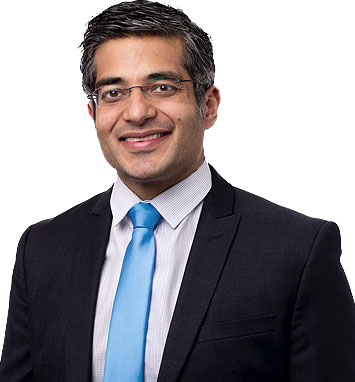
Breast augmentation remains one of the most performed cosmetic procedures nationwide, with over 300,000 procedures annually according to the American Society of Plastic Surgeons. While the procedure offers transformative results, every surgical procedure carries risks. At Allure Esthetic, Dr. Javad Sajan believes informed patients make the best decisions about their surgical care.
What Is Breast Augmentation?
Breast augmentation is a surgical procedure used to increase breast size or improve shape with either implants or fat transfer. Implant-based augmentation may use saline or silicone devices, while fat transfer uses purified fat taken from another area of the body. Patients often pursue the procedure to restore volume after pregnancy or weight loss, improve symmetry, or create a fuller upper-pole shape.
What are the Benefits of Breast Augmentation?
Breast augmentation remains one of the most requested cosmetic procedures because it delivers consistent, visible improvements in breast shape and overall body proportion..
- Enhances breast volume by restoring fullness after pregnancy, weight loss, or aging
- Improves breast symmetry by correcting uneven size or shape between both breasts
- Creates better body proportion by balancing the chest with hips and waistline
- Refines breast contour by improving upper-pole fullness and overall shape
- Expands clothing options by allowing a better fit in bras, swimwear, and fitted outfits.
- Supports reconstruction goals by restoring breast volume after mastectomy or trauma.
- Provides long-lasting results by using implants designed for durability with proper monitoring.
- Offers customizable outcomes by selecting implant size, shape, and placement based on anatomy.
- Improves confidence by aligning physical appearance with personal aesthetic goals.
- Can be combined with other procedures by pairing with lifts or other body contouring procedures.
At Allure Esthetic, Dr. Javad Sajan approaches Breast Augmentation with a focus on balanced outcomes and patient-specific planning. This includes careful implant selection, precise placement, and realistic goal setting, helping patients achieve results that look natural while minimizing overall risk.
Also Read: 2026 Breast Augmentation Consultation Checklist For Patients
What Are Breast Augmentation Risks?
With every surgery comes complications and risks. Some of the risks involved in breast augmentation are as follows:
Surgical and Early Risks
These risks involve anesthesia-related complications, bleeding, hematoma, infection, seroma, pain, poor scarring, and wound-healing issues. The American Society of Plastic Surgeons and the FDA both list these as known complications of implant surgery. Early problems are often treatable, but they can delay healing and sometimes require another procedure. These are some of the most important risks of breast augmentation surgery that patients should review before scheduling surgery.
Implant-Related Risks
Specific implant complications include capsular contracture, rupture or deflation, asymmetry, implant malposition, persistent tightness, and changes in nipple or breast sensation. Capsular contracture happens when scar tissue tightens around the implant, sometimes making the breast feel firm or painful. Silicone ruptures may be silent, which is why imaging follow-up can be important over time, whereas saline implant failure is usually more noticeable because the implant deflates.
Extremely Rare, but Serious Risks
Some serious complications, which are mostly rare, require informed consent during a breast augmentation consultation. Two medically important, though uncommon, concerns are:
- Breast Implant-Associated Anaplastic Large Cell Lymphoma (BIA-ALCL): According to sources, this is a rare type of lymphoma, distinct from typical breast cancer, primarily linked to textured implants. Warning signs include new masses, pain, swelling, or fluid accumulation around the implant.
- Breast Implant Illness (BII): This term is used by patients to describe a cluster of symptoms such as joint pain, fatigue, rash, or “brain fog.” It is important to note that BII remains an area of ongoing research and is not currently recognized as a single proven diagnosis.
What Is the Risk of Death from Breast Augmentation?
Searches for breast augmentation risk of death are understandable, but the available evidence shows that death from breast implant surgery itself is extremely rare. A 2022 published review reported a perioperative mortality rate that was effectively zero for cosmetic or reconstructive breast implant surgery in the studied data. More broadly, anesthesia literature shows that anesthesia-related mortality in healthier patients is very low, though no surgery is ever risk-free. The key point is accuracy: risk is low, not nonexistent, and safe patient selection still matters.
Who Is at Higher Risk During Breast Augmentation?
There are certain patients who are at higher risk of complications. Such as:
- Active smoking (doubles infection risk)
- Diabetes or autoimmune conditions
- Previous breast surgery or radiation
- Extremely thin breast tissue
- Unrealistic expectations
- Poor general health
Dr. Sajan evaluates these factors at Allure Esthetic and provides a systematic plan before suggesting any surgery.
How to Minimize Breast Augmentation Complications?
Risk reduction starts before surgery. The strongest safety steps include choosing a qualified surgeon, completing a full preoperative assessment, stopping smoking and nicotine use, following postoperative restrictions, and reporting warning signs quickly. Patients should also understand implant type, incision plan, recovery timeline, and future monitoring needs before surgery.
An important part of reducing the risks of breast augmentation is the surgeon’s experience and surgical approach. At Allure Esthetic, Dr. Javad Sajan focuses on patient safety through detailed consultations, precise surgical planning, and technique selection tailored to each patient’s anatomy. This includes careful implant sizing, proper pocket placement, and strategies designed to reduce complications such as capsular contracture and implant malposition.
The practice also emphasizes structured follow-up care, allowing early identification of any concerns during recovery. This level of oversight, combined with clear patient education, supports safer outcomes for those considering Breast Augmentation.
Breast Augmentation Recovery Timeline and What to Expect
Breast augmentation recovery follows a predictable pattern, but each patient heals at a different pace. Understanding what is normal and what may signal a complication helps improve safety and reduce anxiety during the healing process.
- First 24 to 72 hours: Expect tightness, swelling, soreness, and mild discomfort. Pain is usually controlled with prescribed medication. Light walking is encouraged to support circulation.
- Days 3 to 7: Swelling and bruising may still be present but gradually improve. Most patients can return to light daily activities. Any increasing pain, fever, or unusual swelling should be reported.
- Week 2: Many patients resume non-strenuous work. Stitches or dressings are typically removed or adjusted. Mild asymmetry and firmness are normal at this stage.
- Weeks 3 to 4: Swelling continues to decrease, and implants begin to settle into position. Light exercise may be introduced with approval. Sudden swelling, redness, or fluid buildup should be evaluated.
- Weeks 6 to 8: Most patients return to full activity, including exercise. The breasts start to feel more natural as tissues relax and adjust.
- 3 to 6 months: Final shape becomes more visible as implants fully settle. Sensation changes may continue to improve during this time.
- Long-term: Regular follow-ups are important to monitor implant integrity and overall breast health. Patients should remain aware of changes such as firmness, pain, or shape differences.
Warning signs to watch for:
Continued pain, increase in swelling, redness, warmth, fever, unusual discharge, or sudden changes in breast shape should immediately be evaluated, as these may indicate complications related to breast augmentation surgery risks.
Dr. Sajan at Allure Esthetic provides prompt resolution for these issues and makes sure to perform breast augmentation with minimum or no risks for patients considering breast augmentation in Seattle.
How Allure Esthetic Prioritizes Patient Safety
Safety in breast augmentation depends on surgical experience, clear planning, and consistent patient care. At Allure Esthetic, this process is led by Dr. Javad Sajan, a renowned plastic surgeon who has performed thousands of cosmetic procedures, including a large number of breast augmentations.
- Extensive surgical experience improves outcomes by applying proven techniques across thousands of procedures
Dr. Javad Sajan is a highly experienced plastic surgeon known for consistent, natural-looking results. His background in breast surgery allows for precise implant selection, accurate placement, and reduced risk of complications. - Clear and precise guidelines reduce complications by helping patients follow each step correctly
Every patient receives detailed preoperative and postoperative instructions. These guidelines cover preparation, recovery, activity restrictions, and warning signs, helping support smoother healing and safer outcomes. - Personalized planning improves safety by tailoring the procedure to each patient
Implant type, size, and placement are selected based on individual anatomy and long-term goals. This customized approach helps improve results while minimizing avoidable risks. - Ongoing follow-up care supports long-term results by monitoring healing and implant performance
Regular check-ins allow early identification of any concerns and ensure recovery is progressing as expected.
Conclusion
Breast augmentation can be a rewarding procedure, but patients should approach it with a full understanding of both benefits and complications. Honest education supports better decisions, safer recovery, and more realistic expectations. To review options for Breast Augmentation with Dr. Javad Sajan, visit Allure Esthetic and schedule a consultation.
FAQs
What are the most common breast augmentation risks?
Capsular contracture, implant rupture, and changes in nipple sensation represent the most frequent long-term complications, affecting 10-15% of patients over 10 years.
Can breast implants cause health problems long-term?
While most patients experience no issues, potential long-term concerns include capsular contracture, rupture requiring replacement, and rare conditions like BIA-ALCL.
How rare is breast implant cancer (BIA-ALCL)?
BIA-ALCL is very rare, and it is seen mainly in patients with textured breast implants, not smooth implants. Data estimate shows that the lifetime risk at about 1 in 2,207 to 1 in 86,029 for women with textured implants.
Do implants need replacing?
Implants are not lifetime devices. Most manufacturers recommend monitoring after 10 years, though replacement only becomes necessary if complications occur.
How can you tell if an implant has ruptured?
Saline ruptures cause immediate deflation. Silicone ruptures require MRI or ultrasound detection, as they may be “silent” without visible symptoms.
Related blogs