Weight loss medications such as Ozempic have helped many people achieve results that once felt difficult to reach. Along with weight loss, many patients report improvements in confidence, mobility, and overall health. However, rapid weight loss can also lead to visible changes in different parts of the body.
Most people are already familiar with terms such as “Ozempic Face” and “Ozempic Butt.” Recently, another phrase has started appearing in news reports and social media discussions: “Ozempic Ears.”
The term gained attention after reports highlighted patients seeking cosmetic procedures to restore volume in their earlobes following significant weight loss. One patient reportedly spent about $9,500 on treatment after noticing changes in the appearance of her ears.
But are Ozempic ears a real medical condition? What causes them? And what treatment options are available? Here is what experts currently know.
What Is Ozempic?
Ozempic is a prescription medication that contains semaglutide. It belongs to a class of medications known as GLP-1 receptor agonists. The medication was originally developed to help manage type 2 diabetes, but it later became widely known for its ability to support weight loss.
Ozempic works by mimicking a naturally occurring hormone called GLP-1. This hormone helps regulate blood sugar levels, slows stomach emptying, and reduces hunger signals sent to the brain. Because people often feel full sooner and stay full longer, many consume fewer calories throughout the day.
As a result, some patients experience significant weight loss over time. While weight loss can offer many health benefits, losing a large amount of body fat may also create changes in areas that previously relied on fat for volume and support.
What Are GLP-1 Weight Loss Medications?
Ozempic is only one medication in a growing group of GLP-1 treatments. Similar medications include Wegovy, Mounjaro, and Zepbound. These drugs have become increasingly popular because they can help eligible patients lose weight under medical supervision.
The rise in popularity of GLP-1 medications has also led to increased conversations about physical changes associated with major weight loss. Many patients notice changes in their face, neck, arms, thighs, and other areas. More recently, some have reported changes in the appearance of their earlobes as well.
It is important to understand that these changes are generally linked to weight loss itself rather than to a specific medication.
What Are Ozempic Ears?
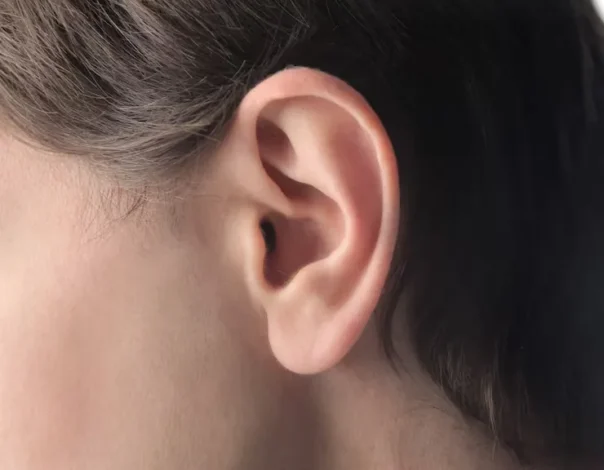
Ozempic ears is an informal term used to describe earlobes that appear thinner, flatter, longer, or less full after significant weight loss.
Earlobes contain soft tissue and fatty tissue that contribute to their shape. When the body loses fat, some of that volume may be lost from the earlobes. As a result, they may appear less plump than before.
Some patients notice that earrings no longer sit the same way. Others feel that their ears look older or more stretched than they did before weight loss. While these changes may seem small, they can become noticeable when compared with older photographs.
Unlike a medical diagnosis, Ozempic ears is simply a nickname used to describe an appearance change that may occur after substantial weight loss.
What Causes Ozempic Ears?
The primary cause appears to be fat loss.
When a person loses weight quickly, fat is reduced throughout the body. Since earlobes contain fatty tissue, they may also lose volume. This can make the skin appear looser and create a thinner appearance.
However, weight loss is not the only factor involved. Aging naturally reduces collagen and skin elasticity over time. Genetics can also influence how a person’s skin responds to weight loss. In addition, years of wearing heavy earrings may stretch the earlobes and contribute to changes in shape.
For this reason, not everyone who takes Ozempic develops Ozempic ears. The appearance varies from person to person.
Why Are People Talking About Ozempic Ears in 2026?
The topic became widely discussed after a news report featured patients who sought cosmetic treatment for earlobe volume loss following GLP-1-related weight loss.
One patient reportedly underwent fat transfer and earlobe reduction surgery and spent approximately $9,500 on treatment. According to the report, she felt that her ears looked older after losing weight and wanted to restore a more youthful appearance.
The story gained attention because many people had never considered that weight loss could affect their ears. It also highlighted how dramatic body changes can sometimes create unexpected cosmetic concerns.
Although the story focused on a specific patient, it sparked broader conversations about how weight loss can affect different areas of the body.
Are Ozempic Ears Really Caused by Ozempic?
Current evidence suggests that Ozempic itself is not directly causing earlobe changes.
Instead, experts believe the changes are more closely related to significant weight loss. Similar effects have been observed in people who lose weight through diet, exercise, bariatric surgery, or other weight management methods.
This distinction is important because it helps people understand that Ozempic ears are not necessarily a side effect of the medication. Rather, they may be a result of losing body fat quickly.
In many cases, the same physical changes would likely occur regardless of how the weight loss happened.
What Do Ozempic Ears Look Like?
Patients often describe Ozempic ears as:
- Thinner earlobes
- Less volume in the lower ear
- Earrings hanging differently
- Longer-looking earlobes
- Flattened appearance
- Signs of premature aging
These changes can be subtle or more noticeable depending on the amount of weight lost and the individual’s anatomy.
Some people may never notice any difference, while others become concerned about the appearance of their ears when looking in photographs or wearing jewelry.
How Are Ozempic Ears Treated?
Several treatment options may help restore volume and improve appearance.
Dermal fillers are one of the most common non-surgical solutions. Fillers can add temporary volume to the earlobes and may improve the way earrings sit.
Another option is fat transfer. During this procedure, a provider removes a small amount of fat from another area of the body and transfers it into the earlobes. Because the patient’s own fat is used, many people view this as a natural approach.
For stretched or elongated earlobes, earlobe reduction surgery may be recommended. This procedure reshapes the earlobe and removes excess tissue.
The most appropriate treatment depends on the patient’s goals, anatomy, and the severity of volume loss.
How Much Does Ozempic Ear Treatment Cost?
The cost of treatment varies depending on the procedure performed and the provider’s experience.
Dermal fillers are generally less expensive because they are minimally invasive and can often be completed during a short office visit.
Fat transfer procedures and earlobe reduction surgery usually cost more because they involve additional expertise and surgical techniques.
Recent media reports highlighted one patient who spent approximately $9,500 on a combination of fat transfer and earlobe reduction surgery. However, this should not be considered the standard cost for every patient. Treatment costs can vary significantly based on individual needs and treatment plans.
Can You Prevent Ozempic Ears?
There is currently no guaranteed method to prevent earlobe volume loss after major weight loss.
However, maintaining a healthy lifestyle, following medical guidance, and pursuing gradual weight loss when appropriate may support overall skin quality.
It is also important to remember that weight loss often provides significant health benefits. While cosmetic changes can occur, they should be viewed within the larger context of improved health and wellness.
Patients concerned about appearance changes should discuss their options with a qualified medical provider.
Looking for an Ozempic Weight Loss Program in Seattle?
If you are considering Ozempic as part of your weight loss journey, choosing a medically supervised program can help you achieve your goals safely and effectively.
At Allure Esthetic, the Ozempic Weight Loss Program is designed to provide more than just medication. Patients receive personalized evaluations, physician-guided care, nutritional recommendations, exercise guidance, and ongoing follow-up support throughout their treatment journey.
At Allure Esthetic, the Ozempic Weight Loss Program starts at $199 per month, making medically supervised weight loss more accessible for many patients. The team works closely with each individual to determine whether Ozempic is an appropriate option and develops a customized plan based on personal goals and medical history.
While discussions about Ozempic often focus on appearance changes such as Ozempic face, Ozempic butt, and Ozempic ears, many patients continue to choose GLP-1 medications because of their potential health benefits and weight loss results. A structured program with professional guidance can help support long-term success while providing ongoing monitoring throughout the process.
FAQs
Do Ozempic ears go away on their own?
Some people may notice improvements over time, while others continue to see volume loss. The outcome depends on factors such as skin elasticity, age, and the amount of weight lost.
Does everyone who takes Ozempic get Ozempic ears?
No. Many people never notice any change in their earlobes. The appearance varies based on individual anatomy, weight loss amount, genetics, and age.
Can weight loss make your ears look older?
Yes. Significant weight loss may reduce volume in the earlobes, which can create a thinner or less youthful appearance in some individuals.
Are Ozempic ears permanent?
Not necessarily. Treatment options such as fillers, fat transfer, and earlobe rejuvenation procedures may help restore lost volume and improve appearance.
Can fillers fix Ozempic ears?
Many providers use dermal fillers to restore volume in the earlobes. Fillers may improve shape and help earrings sit more comfortably.
Is Ozempic ear treatment worth it?
The answer depends on how much the appearance bothers the patient. Some people are comfortable with the changes, while others prefer cosmetic treatment to restore volume and confidence.
What is the difference between Ozempic ears and Ozempic face?
Ozempic face refers to facial volume loss that may occur after significant weight loss, while Ozempic ears refers to volume loss in the earlobes. Both are thought to be related to fat loss rather than the medication itself.
How much does an Ozempic Weight Loss Program cost in Seattle?
At Allure Esthetic, the medically supervised Ozempic Weight Loss Program starts at $199 per month and includes ongoing support, guidance, and personalized treatment planning.
Sources
The Daily Beast:
https://www.thedailybeast.com/glp-1-users-get-surgery-for-ozempic-ears-side-effect/
Reddit:
https://www.reddit.com/r/Semaglutide/comments/1fe18r9/reminder_ozempic_face_isnt_real/
New York Post:
https://nypost.com/2026/06/09/health/people-are-getting-surgery-to-fix-old-looking-ozempic-earlobes/
Related blogs