 FeminizationSurgeries.com
Cosmetic surgery advertisements often focus on younger faces, which can leave adults in their 60s, 70s, or 80s feeling as if the opportunity for meaningful change has passed. Visible facial aging, loose skin, and volume loss can make social situations, photographs, or even daily routines feel less comfortable and less confident than before.
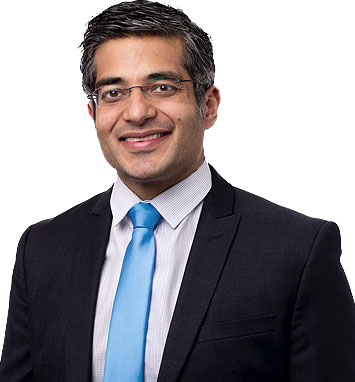
In reality, modern cosmetic surgery offers safe, carefully planned options for healthy senior patients. Instead of setting a strict “age limit,” experienced surgeons evaluate overall health, goals, and support systems to decide what is appropriate. At Allure Esthetic Plastic Surgery in Seattle, Dr. Javad Sajan designs individualized treatment plans for older adults, helping senior patients achieve natural, age-appropriate results with a strong focus on safety and long-term outcomes.
Is There A Maximum Age For Cosmetic Surgery?
There is no strict upper age limit for cosmetic surgery. Research on elderly patients found that overall complication rates for cosmetic procedures remained acceptable compared with those of younger groups when medical conditions were managed appropriately.
In other words, the question is rarely “Is 70 too old for cosmetic surgery?” In fact, a better question is, “Is the patient medically optimized, emotionally prepared, and working with an experienced plastic surgeon in an accredited facility?”
Key points that matter more than the date on a birth certificate:
- Cardiovascular and lung health
- Control of medical conditions such as diabetes or hypertension
- Medication management, especially blood thinners
- Nutritional status and healing capacity
- Support system at home for recovery
- Realistic expectations about results and downtime
When these factors are addressed, age alone does not determine candidacy.
How Cosmetic Surgery For Seniors Differs From Younger Patients
Senior cosmetic surgery planning looks different from surgery in the 20s or 30s. Professional societies such as the American Society of Plastic Surgeons emphasize that technique and safety considerations must be tailored to each life stage.
For older adults, surgeons typically focus on:
- Natural enhancement instead of dramatic change
Procedures aim to restore a rested, harmonious appearance rather than create features that do not match the rest of the face or body. - Respect for thinner, more delicate tissues
Aging skin has less elasticity and less collagen. Surgical plans adjust tension, incision location, and closure techniques to minimize risk of wound problems. - Conservative anesthesia planning
Senior patients benefit from detailed preoperative assessments, coordination with anesthesia teams, and careful intraoperative monitoring, reducing strain on the heart and lungs. - Thoughtful combination procedures
Certain combinations, such as facelift with eyelid surgery, may still be appropriate, but the total time under anesthesia is kept as efficient as possible.
This age-specific planning allows seniors to enjoy significant improvements while respecting physiology, recovery, and lifestyle.
Common Cosmetic Procedures For Senior Patients
Senior patients often seek procedures that address the most visible signs of aging and long-term volume changes. National statistics show strong demand for facial rejuvenation and body contouring among patients aged 55 to 69, with an increasing number of patients aged 70 and older also choosing aesthetic surgery.
Popular options include:
Facial Rejuvenation
- Facelift and neck lift
Designed to reposition descended tissues along the jawline and neck, reduce jowls, and improve loose neck skin. - Eyelid surgery (blepharoplasty)
Removes or reshapes excess skin and fat around the upper and lower eyelids to reduce a tired or heavy look. - Brow lift
Elevates a low or heavy brow and softens deep forehead lines. - Facial fat transfer
Uses the patient’s own fat to restore volume in the cheeks, temples, or around the mouth, which can be especially useful when age-related fat loss is prominent.
Breast And Body Procedures
- Breast lift or breast reduction
Helps patients who experience sagging, neck pain, or back pain from heavy or deflated breasts. - Arm lift or thigh lift
Addresses loose skin after aging or weight loss. - Selective liposuction or body contouring
Targets localized fat deposits that do not respond to healthy habits, used conservatively in seniors to maintain safety.
Non Surgical Options
For some senior patients, non-surgical treatments are preferred or used to complement surgery:
- Neuromodulator injections for dynamic wrinkles
- Hyaluronic acid fillers for volume restoration
- Non-surgical skin tightening treatments
- Advanced medical-grade skin care
These options provide flexibility, especially for patients who are not ready for an operation or who want to maintain surgical results over time.
How Allure Esthetic And Dr. Javad Sajan Support Senior Patients
Allure Esthetic Plastic Surgery in Seattle centers its approach on individualized planning and advanced techniques. Dr. Javad Sajan is a renowned plastic surgeon known for complex facial and body procedures and for extensive research contributions, including the development of the Advanced Facial Simulator used by surgeons worldwide to plan surgical movements with precision.
For senior patients, this expertise matters. The practice focuses on:
- Thorough candidacy evaluation
Each senior patient receives a detailed consultation, exam, and review of medical history. Procedures are recommended only when the benefits outweigh the risks for that individual. - Customized facial and body contouring plans
Dr. Sajan uses advanced planning tools and meticulous techniques to create results that match each patient’s bone structure, skin quality, and goals rather than applying a one-size template. - Safety-focused protocols
Coordination with primary care physicians and specialists, careful anesthesia planning, and close postoperative follow-up are emphasized for older adults. - Respect for natural, age-appropriate results
Senior patients typically want to look rested, healthy, and confident, not unrecognizable. The goal is refreshed features that match the patient’s stage of life and personality.
How Senior Patients Can Prepare For The Best Possible Outcome
Preparation and aftercare strongly influence outcomes for older adults. Helpful steps include:
Before Surgery
- Working with a primary care doctor to optimize blood pressure, blood sugar, and other medical issues
- Completing recommended lab tests, imaging, and cardiac evaluations
- Reviewing medications, including blood thinners, with all physicians involved
- Establishing a realistic timeline for time away from work or social commitments
- Arranging support at home for the first days or weeks after surgery
After Surgery
- Attending all follow up visits
- Taking prescribed medications as directed
- Following incision care instructions to protect scars
- Walking as allowed to support circulation and reduce clot risk
- Avoiding heavy lifting or strenuous activity until cleared
Senior patients who invest in preparation and recovery often report that the process feels smoother than expected, especially when guided by an experienced surgical team.
When Senior Patients Are Ready To Take The Next Step
Senior patients who feel that their reflection no longer reflects their energy, health, or personality do not need to assume that cosmetic surgery is off the table because of age. Modern techniques, careful screening, and age-sensitive planning allow older adults to enjoy meaningful, natural improvements in confidence and quality of life.
Allure Esthetic Plastic Surgery in Seattle welcomes senior patients who are considering facial rejuvenation, breast surgery, or body contouring. Under the leadership of Dr. Javad Sajan, the team provides detailed consultations, advanced surgical planning, and attentive follow-up that respects both safety and aesthetics.
Patients who are ready to explore options can contact Allure Esthetic Plastic Surgery to schedule a consultation with Dr. Sajan, review candidacy, and design a personalized plan for refreshed, age-appropriate results that feel as good as they look.
FAQs
What age is too late for cosmetic surgery?
There is no fixed age that automatically excludes a patient from cosmetic surgery. Adults in their 60s, 70s, and even 80s can be candidates when their health, goals, and support system are appropriate and when they work with a qualified plastic surgeon.
Do older patients have a higher risk of complications?
Older adults can have more medical conditions, which is why preoperative evaluation is so important. However, large studies show that elderly and octogenarian cosmetic patients have acceptable complication rates when surgery is well planned and health is optimized.
Which cosmetic procedures are most common in seniors?
Facelifts, neck lifts, eyelid surgery, brow lifts, breast lifts, and body contouring procedures such as arm lifts are popular choices for patients over 55. Non surgical treatments like neuromodulators, fillers, and skin tightening are also widely used to maintain or refine results.
Is a facelift safe after age 70?
A facelift can be safe after age 70 when the patient passes medical clearance, the surgical plan is tailored to health status, and the operation is performed by an experienced plastic surgeon in an accredited facility. Individual evaluation is always necessary before scheduling.
Are non surgical treatments better than surgery for seniors?
Non surgical treatments can be excellent options for fine lines, early sagging, or maintenance of previous surgical results. For significant laxity or deep folds, surgery often provides a more complete and longer lasting improvement. Many senior patients benefit from a combination of surgical and non surgical care designed specifically for their anatomy and goals.
Related blogs