 FeminizationSurgeries.com
The field of aesthetic medicine is undergoing a profound transformation. For decades, the conversation around cosmetic procedures was overwhelmingly female-focused. Today, that narrative has shifted. Men are now a significant and rapidly growing demographic in the world of aesthetic enhancement, seeking treatments not to fundamentally change who they are, but to look and feel like the best version of themselves.
The stigma that once surrounded male cosmetic surgery has largely faded, replaced by a modern understanding of self-care. Men are pursuing procedures for a variety of reasons: to present themselves confidently in professional settings, to align their appearance with their inner sense of vitality, or simply to address long-standing concerns with confidence.
This guide provides a comprehensive overview of the current trends in male cosmetic surgery, both surgical and non-surgical. We will explore the procedures that are gaining traction, explain the science behind why they work, and outline the critical factors every man should consider before making a decision.
The Modern Male Aesthetic
A crucial point to understand is that the aesthetic goals for men are typically different from those for women. The objective is rarely about softness or curves; instead, it centers on structure, definition, and a naturally refreshed appearance.
Common goals include:
- A stronger, more defined jawline and chin.
- A flatter, more sculpted chest.
- A reduction in stubborn fat around the abdomen and flanks (the “love handles”).
- A more rested and alert appearance around the eyes.
- A reduction in the signs of aging without looking “done.”
An experienced plastic surgeon understands these goals and tailors every procedure to preserve and enhance a masculine aesthetic.
Top Surgical Procedures for Men: Structural, Lasting Enhancements
Surgical procedures offer more significant and permanent results, making them a choice for men seeking a definitive solution for structural concerns.
1. Liposuction
What It Is: Liposuction is a surgical procedure that removes localized deposits of stubborn fat that are resistant to diet and exercise. It is a body contouring tool, not a weight-loss solution.
Who It’s For: Men who are at or near their ideal body weight but struggle with specific areas of fat. Common treatment areas for men include the abdomen, flanks, and chest.
How It Works: A surgeon makes small, inconspicuous incisions and inserts a thin, hollow tube called a cannula. The cannula is used to loosen excess fat, which is then suctioned out of the body using a surgical vacuum. Modern techniques are designed to be precise and to minimize trauma to surrounding tissues.
Why It’s Trending: Men often accumulate fat in predictable areas. Liposuction allows for targeted sculpting that can help reveal underlying muscle definition, contributing to a more sculpted or athletic appearance.
2. Rhinoplasty (Nose Reshaping)
What It Is: Rhinoplasty is a surgical procedure to change the shape and structure of the nose. It can be performed for both cosmetic reasons and to address functional issues, such as a deviated septum.
Who It’s For: Men who are dissatisfied with the size or shape of their nose, or who have breathing difficulties due to its internal structure.
How It Works: The surgeon makes incisions, typically hidden inside the nostrils or discreetly across the columella, to access the underlying bone and cartilage. This framework is then carefully reshaped to achieve the desired appearance. A male rhinoplasty requires a deep understanding of facial anatomy to ensure the result is strong and proportionate, avoiding an overly feminized or “scooped” look.
Why It’s Trending: The nose is the central feature of the face. A well-proportioned nose can bring the entire face into better harmony, enhancing features like the jaw and chin.
3. Blepharoplasty (Eyelid Surgery)
What It Is: Blepharoplasty is a surgical procedure to address signs of aging around the eyes. It can be performed on the upper lids, lower lids, or both.
Who It’s For: Men who have droopy upper eyelids that may even impair vision, or puffy under-eye bags that create a perpetually tired or aged appearance.
How It Works: For upper eyelid surgery, an incision is made within the natural crease of the lid, through which excess skin and fat are removed or repositioned. For lower eyelid surgery, the incision is often made just below the lash line or, in some cases, hidden inside the lower eyelid.
Why It’s Trending: The eyes are a primary indicator of age and vitality. This procedure is popular as it may give the eyes a more rested and alert appearance, without creating a “surprised” or unnatural look.
The Rise of Non-Surgical Options
For men who are not ready for surgery or are looking for more subtle enhancements, non-surgical and minimally-invasive treatments offer powerful solutions with little to no downtime.
1. Neuromodulators
What It Is: These are injectable treatments that temporarily relax the muscles responsible for forming dynamic wrinkles.
Who It’s For: Men who want to reduce the appearance of frown lines between the brows, horizontal forehead lines, and crow’s feet around the eyes.
How It Works: Neuromodulators like BOTOX block the nerve signals to specific muscles, preventing them from contracting. This allows the overlying skin to smooth out. The technique in men is crucial; the goal is to soften lines without erasing all expression or arching the brows.
Why It’s Trending: It is a quick, in-office procedure that delivers a refreshed, less stressed appearance in a very subtle way.
2. Dermal Fillers
What It Is: Dermal fillers are injectable gels, often made from Hyaluronic Acid (HA), a substance naturally found in the skin. According to the American Society of Plastic Surgeons, HA fillers are used to restore volume and fullness in facial contours.
Who It’s For: Men seeking to strengthen their facial structure.
How It Works: Fillers are strategically placed to add volume and definition. For men, this is less about creating softness and more about building structure. Common applications include:
- Jawline Enhancement: Placing filler along the mandible to create a stronger, more angular jawline.
- Chin Augmentation: Adding projection to the chin to improve facial balance.
- Cheek Enhancement: Restoring volume to the mid-face to create a more defined, less hollowed look.
Why It’s Trending: Dermal fillers offer an immediate, non-surgical way to enhance the masculine architecture of the face with no downtime.
3. Kybella
What It Is: Kybella is the only FDA-approved injectable treatment for reducing submental fullness, commonly known as a “double chin.”
Who It’s For: Men who are bothered by excess fat under the chin and have good skin elasticity.
How It Works: The active ingredient in Kybella is a synthetic form of deoxycholic acid, a molecule that naturally occurs in the body and aids in the breakdown and absorption of dietary fat. When injected into the fat beneath the chin, it destroys targeted fat cells in the treated area, reducing submental fullness.
Why It’s Trending: A defined jawline is a hallmark of a masculine profile. Kybella offers a targeted, non-surgical solution for one of the most stubborn and common aesthetic concerns for men.
Choosing Your Provider
The success and safety of any cosmetic procedure (surgical or non-surgical) depend almost entirely on the qualifications and expertise of your provider. This is not the place to compromise.
- Look for a Board-Certified Plastic Surgeon: This certification ensures your surgeon has undergone extensive, specialized training in plastic and reconstructive surgery and adheres to the highest standards of safety and ethics.
- Seek Experience with Male Patients: As discussed, the male aesthetic is unique. Your surgeon should have a deep portfolio of male patients and a clear understanding of how to achieve natural, masculine results.
- The Consultation is Key: Your consultation should be a thorough, educational, and collaborative process. Your surgeon should listen to your goals, perform a detailed physical evaluation, and explain all your options, including the risks and benefits. This is a strategic discussion, not a sales pitch.
A Final Thought
The modern approach to male cosmetic surgery is about self-improvement and confidence. It is a personal decision that should be made from a place of empowerment and education. The goal is not to look like someone else, but to achieve a natural, refined version of yourself that reflects how you feel on the inside.
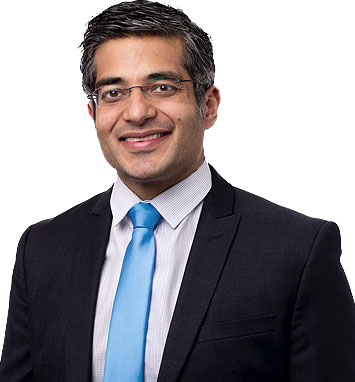
To explore your options in a confidential, professional environment, we invite you to schedule a consultation with Dr. Sajan at Allure Esthetic. We are dedicated to providing personalized care and natural-looking results for our male patients. Call now at (206) 209-0988.
FAQs
What is the most common male cosmetic surgery?
The most common male cosmetic procedures often include liposuction, eyelid surgery, and rhinoplasty.
Is plastic surgery worth it for men?
Many men find plastic surgery worthwhile when it aligns with their goals and is performed by a qualified surgeon. The value comes from improved confidence and outcomes that support their desired appearance.
Do men get a tummy tuck?
Men do get tummy tucks, especially after major weight loss or to address loose abdominal skin.
Why are men turning to cosmetic surgery?
Men are increasingly choosing cosmetic procedures to look more refreshed or improve areas that don’t respond to diet and exercise.
How much does facial masculinization surgery cost?
Facial masculinization surgery varies widely in price depending on the procedures performed, the surgeon, and the location. Call us for a quote.
Related blogs