 FeminizationSurgeries.com
Choosing cosmetic surgery is exciting, but the risks are real. Every year, patients suffer complications from unqualified surgeons operating in unsafe facilities.
The consequences can be devastating, the fear intensifies with horror stories, searching online is overwhelming, patients lose sleep, and the anxiety can be paralyzing.
Understanding surgeon credentials, facility safety standards, and proper recovery protocols is the key to protecting health and achieving successful outcomes.
Understanding Cosmetic Surgery Safety
Safety during cosmetic surgery depends on three critical factors: the surgeon’s credentials and experience, the accreditation and equipment of the surgical facility, and proper recovery care. When patients understand what to look for in each area, they can make informed decisions that protect their health and maximize surgical outcomes.
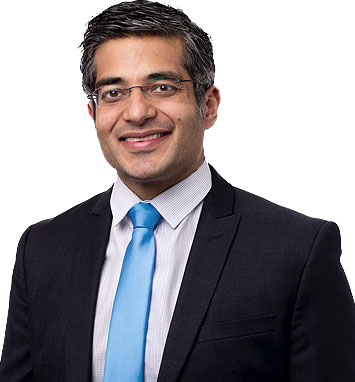
Dr. Javad Sajan at Allure Esthetic Plastic Surgery prioritizes patient safety at every step of the cosmetic surgery journey. From initial consultation through complete recovery, the practice maintains the highest standards for surgeon expertise, facility accreditation, and post-operative care.
Verifying Surgeon Credentials and Qualifications
Choosing a Renowned Plastic Surgeon
The most important decision in cosmetic surgery is selecting a highly qualified surgeon with proven expertise and experience. Renowned plastic surgeons have spent years developing their skills through medical school, specialized training programs, and hands-on experience performing thousands of procedures.
A surgeon’s reputation within the medical community speaks volumes about their capabilities. Look for surgeons who have earned recognition from their peers, contributed to medical research, and maintained practices built on successful patient outcomes. Dr. Sajan has established himself as a renowned plastic surgeon in Seattle, known for innovative techniques and commitment to patient safety.
Specialized Training and Experience
Beyond formal education, patients should look for surgeons with specialized training in the specific procedure they want. Dr. Sajan has extensive experience across all areas of cosmetic surgery including facial procedures, breast surgery, body contouring, and gender-affirming surgery.
His research has been published in respected medical journals including The Journal of Surgical Research and JAMA Facial Plastic Surgery. This commitment to advancing the field through research demonstrates dedication to staying current with the latest techniques and safety protocols.
In 2011, Dr. Sajan was one of only five physicians in the United States to receive the prestigious CORE Grant, which he used to develop the Advanced Facial Simulator used to teach surgeons cosmetic and reconstructive surgery techniques worldwide. This recognition highlights his standing among the most skilled surgeons in the country.
Professional Memberships and Hospital Privileges
Membership in professional organizations provides another layer of credential verification. Dr. Sajan is a member of the World Professional Association for Transgender Health (WPATH) and other prestigious surgical organizations. These memberships require surgeons to maintain high standards of practice and stay current with evolving techniques.
Hospital privileges are equally important. Even when procedures take place in a private surgical suite, qualified plastic surgeons should maintain privileges at local accredited hospitals. This requirement ensures surgeons meet hospital credentialing standards and can provide emergency care if complications arise.
How to Verify Your Surgeon’s Credentials
Patients can easily verify surgeon credentials through several steps. Check the surgeon’s website for detailed information about training, certifications, and experience. Read patient reviews and examine before-and-after photos of actual patients who underwent the same procedure.
Ask direct questions during the consultation about training, experience with the specific procedure, complication rates, and how many times they have performed the procedure. A qualified surgeon will answer these questions openly and honestly.
Look for surgeons with extensive experience performing the specific procedure you want. A surgeon who has performed a procedure thousands of times will have refined their technique and developed strategies for handling complications if they arise.
Years of Experience Matter
Experience transforms good surgeons into great surgeons. The number of years a surgeon has been practicing and the volume of procedures they perform annually are important indicators of expertise. Surgeons who focus their practice on cosmetic surgery develop deeper knowledge and more refined skills than those who split time between multiple specialties.
Dr. Sajan has dedicated his career to cosmetic and reconstructive surgery, performing procedures daily and continuously refining his approach based on the latest research and his own extensive experience.
Evaluating Surgical Facility Safety and Accreditation
Accreditation Standards and Requirements
The surgical facility where the procedure takes place matters just as much as the surgeon’s credentials. Accredited facilities meet strict national standards for equipment, operating room safety, personnel qualifications, and emergency preparedness.
Allure Esthetic Plastic Surgery operates a state-licensed surgical center that meets the highest standards for ambulatory surgical facilities. Several organizations provide accreditation for outpatient surgery centers, including the American Association for Accreditation of Ambulatory Surgery Facilities (AAAASF), the Accreditation Association for Ambulatory Health Care (AAAHC), and the Joint Commission.
Accreditation requires facilities to maintain proper equipment for patient monitoring during surgery and recovery. This includes advanced cardiac monitoring, emergency resuscitation equipment, oxygen delivery systems, and backup power supplies. Facilities must have protocols in place for medical emergencies, equipment failures, and other potential complications.
Qualified Medical Staff and Anesthesia Providers
An accredited facility employs qualified medical staff trained in surgical assistance and emergency response. All staff members must hold appropriate certifications including Advanced Cardiac Life Support (ACLS) and Basic Life Support (BLS).
Anesthesia safety is particularly crucial. Accredited facilities require that anesthesia be administered by qualified anesthesiologists or certified registered nurse anesthetists (CRNAs). These professionals have extensive training in anesthesia management, patient monitoring, and emergency response.
At Allure Esthetic, experienced anesthesia providers carefully monitor patients throughout surgery and recovery. This constant monitoring allows immediate response to any changes in patient status.
Infection Control and Sterilization Protocols
Accredited facilities follow strict sterilization and infection control protocols. This includes proper sterilization of all surgical instruments, use of sterile technique during procedures, and regular cleaning and disinfection of operating rooms and recovery areas.
The facility should only perform elective cosmetic procedures, not emergency or trauma cases. This separation reduces exposure to infectious diseases and maintains a controlled, predictable surgical environment.
Emergency Preparedness and Response
Every accredited facility must have comprehensive emergency protocols and the equipment necessary to handle medical emergencies. This includes medications for emergency response, defibrillators, airway management equipment, and established relationships with nearby hospitals for emergency transfers if needed.
Staff members receive regular training in emergency response procedures. Regular drills ensure everyone knows their role during an emergency situation.
Pre-Operative Preparation for Safety
Medical History and Health Assessment
Before any cosmetic procedure, Dr. Sajan conducts a thorough medical history review and physical examination. This assessment identifies any health conditions that could increase surgical risk or affect healing.
Patients should disclose all medical conditions, previous surgeries, allergies, and medications including over-the-counter drugs and supplements. This complete picture allows the surgical team to identify potential complications and take preventive measures.
Pre-Operative Instructions and Guidelines
Following pre-operative instructions precisely reduces complication risk. Common instructions include stopping certain medications that affect bleeding, avoiding food and drink for a specified period before surgery, and arranging for a responsible adult to drive patients home and stay with them after the procedure.
Smoking cessation is particularly important. Nicotine restricts blood flow and oxygen delivery to tissues, increasing risk of complications and slowing healing. Patients should stop all nicotine products at least four weeks before and after surgery, especially for procedures involving skin repositioning like facelifts, tummy tucks, or breast lifts.
Setting Realistic Expectations
During the consultation, Dr. Sajan ensures patients have realistic expectations about surgical outcomes, recovery time, and potential risks. Understanding what the procedure can and cannot achieve prevents disappointment and helps patients make informed decisions.
Patients should review before-and-after photos of real patients who underwent the same procedure. This provides a realistic sense of potential results.
Recovery Care and Post-Operative Safety
Immediate Post-Operative Period
The first 48 to 72 hours after surgery are the most critical for recovery. Patients need a responsible caregiver during this time to help with medications, assist with movement, and monitor for complications.
Discomfort during the first few days is normal and expected. Patients receive prescribed pain medication to manage this discomfort. Taking pain medication as directed keeps pain levels manageable and allows the body to focus energy on healing rather than managing pain.
Following Post-Operative Instructions
Dr. Sajan provides detailed written post-operative instructions for every procedure. These instructions cover wound care, medication schedules, activity restrictions, what to eat and drink, when to shower, and signs of complications that require immediate attention.
Following these instructions precisely prevents complications and optimizes results. Patients should not hesitate to contact the office with questions or concerns during recovery.
Activity Restrictions and Physical Recovery
Rest is essential during the initial recovery period. Most patients need at least one week off work, though this varies by procedure. Physical activity should be limited according to the surgeon’s guidelines.
Walking short distances starting on day two promotes circulation and prevents blood clots, but strenuous exercise must be avoided. Activities that increase heart rate or blood pressure can cause bleeding, swelling, or damage to healing tissues.
Patients typically wait at least one month before returning to the gym or engaging in vigorous workouts. The surgeon will provide specific timelines based on the procedure and individual healing progress.
Wound Care and Scar Management
Proper wound care prevents infection and minimizes scarring. Keep surgical sites clean and dry as instructed. Some procedures require regular bandage changes or application of topical ointments.
Watch for signs of infection including increased redness, swelling, warmth, pain, or discharge from incisions. Contact the surgeon immediately if these symptoms appear.
Scar care begins once incisions have fully closed. This may include massage, silicone gel or sheets, moisturization, and sun protection. Following scar care instructions improves the appearance of scars over time.
Managing Swelling and Bruising
Swelling and bruising are normal after cosmetic surgery. Ice packs during the first 48 hours help reduce swelling and discomfort. Never place ice directly on skin. Use a cloth barrier and change ice packs frequently.
Compression garments help control swelling and support healing tissues. Wear these garments as directed, typically continuously except when showering.
Keeping the head elevated when lying down also reduces facial swelling. Sleep with the head elevated on pillows for the first week or two after facial procedures.
Nutrition and Hydration During Recovery
Proper nutrition supports healing. Eat light, nutritious meals and stay well hydrated by drinking plenty of water. Surgery depletes body fluids, and adequate hydration is essential for recovery.
Avoid alcohol during recovery as it interferes with healing and interacts with pain medications. Some surgeons also recommend avoiding certain vitamins and supplements that affect bleeding.
Follow-Up Appointments and Monitoring
Attending all scheduled follow-up appointments is mandatory unless otherwise discussed with the surgeon. These appointments allow Dr. Sajan to monitor healing progress, address any concerns, and ensure recovery is proceeding as expected.
The practice provides around-the-clock access by phone so patients can quickly get answers to questions or address concerns that arise between appointments.
Red Flags and Warning Signs
Surgeon Red Flags to Avoid
Certain warning signs indicate a surgeon may not be qualified or trustworthy. Be wary of surgeons who make unrealistic promises or guarantee specific results. Cosmetic surgery always carries some risk and unpredictability.
Surgeons who dismiss patient questions or concerns, rush through consultations, or pressure patients into procedures should be avoided. A qualified surgeon takes time to ensure patients understand the procedure, risks, and recovery process.
If a surgeon operates only in unaccredited facilities or has no hospital privileges, this is a major red flag. The surgeon may have had privileges suspended due to medical mistakes or other problems.
Prices significantly below market rates may indicate corners being cut on staff qualifications, facility standards, or surgical materials. While cost is a consideration, the cheapest option is rarely the safest.
Facility Warning Signs
Facilities that refuse to provide accreditation information or claim accreditation from unknown organizations should be avoided. Legitimate accreditation from recognized bodies is public information that facilities proudly display.
Unclean facilities, outdated equipment, or staff who seem untrained or unprofessional indicate safety concerns. The facility should appear professional, clean, and well-organized.
When to Seek Emergency Care
Certain symptoms during recovery require immediate medical attention. Contact the surgeon or seek emergency care for fever above 101 degrees, persistent vomiting, excessive bleeding that saturates dressings, sudden increase in pain or swelling, difficulty breathing, chest pain, or signs of blood clots like leg pain, warmth, or swelling.
The Allure Esthetic Commitment to Safety
State-Licensed Surgical Center
Allure Esthetic operates a state-licensed surgical facility equipped with advanced monitoring technology and the finest surgical equipment. The facility meets the highest standards for surgical care and is fully prepared to handle any situation that may arise.
The dedicated surgical team has extensive experience with cosmetic procedures and provides compassionate, personalized support throughout the entire surgical journey. The welcoming environment ensures patients feel comfortable and supported at every stage of care.
Comprehensive Patient Education
Dr. Sajan believes informed patients make better decisions and have more successful outcomes. Every patient receives comprehensive education about their procedure, including detailed explanations of what will happen before, during, and after surgery.
The consultation process includes reviewing the procedure steps, discussing potential risks and complications, examining before-and-after photos, and answering all patient questions. Patients never feel rushed or pressured.
Ongoing Support and Communication
The relationship between surgeon and patient does not end when surgery is complete. Allure Esthetic provides ongoing support throughout recovery with scheduled follow-up appointments and around-the-clock phone access.
Patients can call with questions or concerns at any time during recovery. This continuous communication ensures problems are addressed quickly and patients feel supported throughout the healing process.
Take the Next Step Toward Safe Cosmetic Surgery
Patient safety is the foundation of every procedure at Allure Esthetic Plastic Surgery. Dr. Javad Sajan combines renowned expertise, state-of-the-art surgical facilities, and comprehensive patient care to ensure the safest possible cosmetic surgery experience.
From the moment patients walk through the door for their initial consultation until they achieve complete recovery, the entire Allure Esthetic team is dedicated to safety, quality, and exceptional results. Every detail matters when it comes to patient wellbeing, from verifying credentials and maintaining facility standards to providing thorough post-operative support.
Choosing cosmetic surgery is a personal decision that deserves careful consideration. By selecting a renowned plastic surgeon who operates in an accredited facility and provides comprehensive care throughout recovery, patients can feel confident about their safety and outcomes.
Contact Allure Esthetic Plastic Surgery today to schedule a consultation with Dr. Javad Sajan. Learn more about how the practice prioritizes safety at every step of the cosmetic surgery journey. Call 206 209-0988 or visit Allure Esthetic to begin your journey toward safe, successful cosmetic enhancement.
Related blogs