
 FeminizationSurgeries.com
The evolution of Ariana Grande’s appearance over her career has sparked countless discussions about beauty, self-expression, and the role of aesthetic procedures in achieving one’s desired look. Whether discussing her signature high ponytail, her evolving makeup styles, or the subtle changes in her facial features, Grande represents a generation of celebrities who embody the modern approach to beauty enhancement—one that prioritizes natural-looking results over dramatic transformations.
In 2025, rhinoplasty has evolved far beyond the obvious “nose jobs” of previous decades. Today’s advanced techniques focus on enhancing natural beauty while preserving individual character, a philosophy that aligns perfectly with the subtle changes we’ve observed in many celebrities’ appearances over time. This shift reflects broader changes in aesthetic medicine and society’s evolving beauty standards.
The Evolution of Rhinoplasty: From Obvious to Invisible
Modern rhinoplasty has undergone a remarkable transformation since its early days. According to the American Society of Plastic Surgeons, the approach to nasal surgery has shifted dramatically toward preservation and refinement rather than radical reconstruction. This evolution mirrors the subtle changes we observe in celebrity appearances, where enhancements are so natural that they spark debate rather than certainty.
The techniques available in 2026 include:

Preservation Rhinoplasty: This innovative approach maintains the natural anatomy of the nose while making targeted adjustments. Rather than removing and rebuilding structures, surgeons work to preserve the existing framework, resulting in more natural movement and appearance.
Ultrasonic Rhinoplasty: Using advanced ultrasonic technology, surgeons can now sculpt nasal bones with unprecedented precision, minimizing trauma to surrounding tissues. This results in less swelling, faster recovery, and more predictable outcomes.
3D Imaging and Planning: Modern rhinoplasty planning utilizes sophisticated imaging technology that allows patients and surgeons to visualize potential outcomes before surgery, ensuring alignment between expectations and achievable results.
Understanding Subtle Transformation in Celebrity Culture
The discussion around celebrity transformations, including speculation about Ariana Grande’s evolving appearance, highlights important aspects of modern beauty culture. Whether changes are due to makeup techniques, natural maturation, weight fluctuations, or aesthetic procedures, the key observation is that dramatic transformations have given way to subtle refinements.
This shift reflects several cultural factors:
-
Increased Scrutiny: Social media and high-definition imagery mean that obvious surgical changes are immediately noticed and often criticized.
-
Changing Beauty Ideals: The trend has moved away from cookie-cutter beauty toward celebrating individual features and ethnic diversity.
-
Professional Demands: Celebrities need to maintain recognizable features for their brand while still having the freedom to refine their appearance.
The Science Behind Natural-Looking Results
Achieving natural-looking rhinoplasty results requires a deep understanding of facial anatomy and aesthetics. According to research published by the National Institutes of Health, successful rhinoplasty must consider multiple factors:
Facial Harmony: The nose must be evaluated in context with other facial features. A well-performed rhinoplasty enhances overall facial balance rather than creating a “perfect” nose that doesn’t fit the face.
Ethnic Preservation: Modern techniques respect and preserve ethnic characteristics, avoiding the homogenization that characterized earlier approaches to rhinoplasty.
Functional Considerations: The best rhinoplasty results maintain or improve nasal breathing. According to FDA guidelines, cosmetic procedures should never compromise function for appearance.
Age-Appropriate Changes: Natural aging affects nasal appearance, and modern rhinoplasty techniques account for how surgical changes will age over time.
The Consultation Process: Setting Realistic Expectations
The journey toward natural-looking rhinoplasty begins with comprehensive consultation. Leading surgeons in 2025 employ several tools and techniques to ensure patient satisfaction:
Digital Morphing Technology: Advanced software allows patients to see potential outcomes, though ethical practitioners emphasize these are simulations, not guarantees.
Psychological Assessment: Understanding patient motivations and expectations is crucial. The National Institute of Mental Health recognizes the importance of screening for body dysmorphic disorder before cosmetic procedures.
Detailed Physical Examination: This includes assessing skin thickness, cartilage strength, and existing asymmetries that may affect surgical outcomes.
Open Communication: Discussing what is and isn’t achievable helps prevent disappointment and ensures patients make informed decisions.
Technical Innovations in Modern Rhinoplasty
The techniques available to rhinoplasty surgeons in 2025 represent significant advances over traditional methods:
Piezoelectric Surgery: This ultrasonic bone-cutting technology allows for incredibly precise bone reshaping with minimal soft tissue trauma, resulting in less bruising and swelling.
Cartilage Preservation Techniques: Rather than removing cartilage, modern surgeons often reposition and reshape existing structures, maintaining nasal support and natural contours.
Diced Cartilage Fascia (DCF): This technique uses the patient’s own cartilage, finely diced and wrapped in fascia, to create smooth, natural contours without visible irregularities.
Computer-Assisted Planning: 3D CT scanning and surgical planning software allow surgeons to plan procedures with millimeter precision, improving predictability of outcomes.
Recovery and Results: The Modern Experience
The recovery process for modern rhinoplasty has improved dramatically. Patients in 2025 can expect:
- Reduced swelling and bruising due to less invasive techniques
- Faster return to normal activities (typically 7-10 days for social activities)
- More predictable healing patterns
- Less post-operative pain requiring fewer pain medications
According to CDC guidelines on surgical recovery, proper post-operative care is essential for optimal outcomes. This includes following surgeon instructions, avoiding trauma to the nose, and attending all follow-up appointments.
The Psychology of Subtle Enhancement
The trend toward natural-looking results reflects deeper psychological understanding of cosmetic enhancement. Research indicates that patients seeking subtle changes often report higher satisfaction rates than those pursuing dramatic transformations. This aligns with observations about celebrity transformations—subtle changes that enhance natural beauty tend to be better received than obvious alterations.
Key psychological factors include:
- Maintaining personal identity
- Avoiding “surgical stigma”
- Achieving improvements that others notice subconsciously rather than obviously
- Preserving ethnic and family characteristics
Choosing the Right Approach
For those inspired by subtle celebrity transformations and considering rhinoplasty, several factors are crucial:
Surgeon Selection: Board certification, specific rhinoplasty experience, and a portfolio demonstrating natural results are essential. The American Board of Medical Specialties provides verification resources.
Timing Considerations: The nose continues developing until the late teens, and surgeons typically recommend waiting until facial growth is complete.
Financial Planning: Quality rhinoplasty is an investment. While cost shouldn’t be the primary factor, patients should understand all associated expenses and avoid “bargain” procedures that may compromise safety or results.
Realistic Expectations: Understanding that even subtle changes require healing time and that final results may not be visible for 12-18 months is crucial for satisfaction.
The Future of Natural Rhinoplasty
As we look beyond 2025, several trends are emerging:
- Integration of regenerative medicine techniques for improved healing
- Advanced imaging allowing patients to “test drive” their new nose in virtual reality
- Continued refinement of preservation techniques
- Greater emphasis on combining surgical and non-surgical approaches
Conclusion: Embracing Individual Beauty
The discussion around subtle transformations in celebrity appearances, whether confirmed or speculated, provides valuable insights into modern aesthetic medicine. The evolution toward natural-looking rhinoplasty represents a broader cultural shift toward celebrating individual beauty rather than conforming to rigid standards.
For those considering rhinoplasty, the advanced techniques available in 2025 offer unprecedented ability to achieve subtle, natural-looking improvements that enhance rather than erase individual character. The key lies in choosing qualified surgeons who understand that the best rhinoplasty is often one that goes unnoticed—where observers sense something has improved but can’t pinpoint exactly what has changed.
As aesthetic medicine continues to evolve, the lessons learned from observing and discussing celebrity transformations remind us that true beauty enhancement respects and refines what makes each person unique. Whether inspired by subtle celebrity changes or personal desires for refinement, modern rhinoplasty offers tools to achieve these goals while maintaining the essence of individual beauty.
Related blogs
ABOUT THE AUTHOR
Dr. Sajan
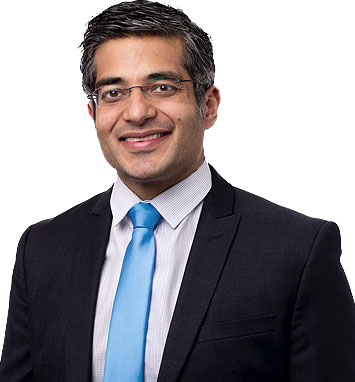
Dr. Javad Sajan is dedicated to the patients he serves and to the betterment of cosmetic and reconstructive surgery. His practice focuses exclusively on cosmetic and reconstructive surgery of the face and body. He is known for consistently championing the transgender community and being one of the top providers of gender affirming surgery in the country. Dr. Sajan specializes in breast augmentation, tummy tuck, and mommy makeover.